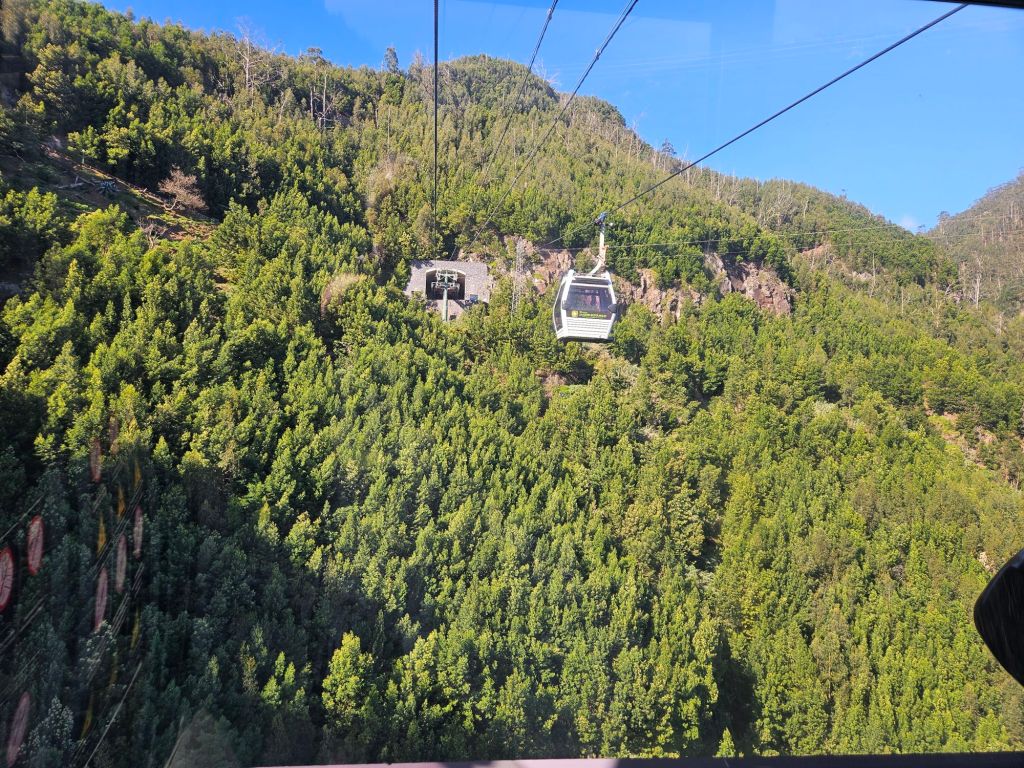
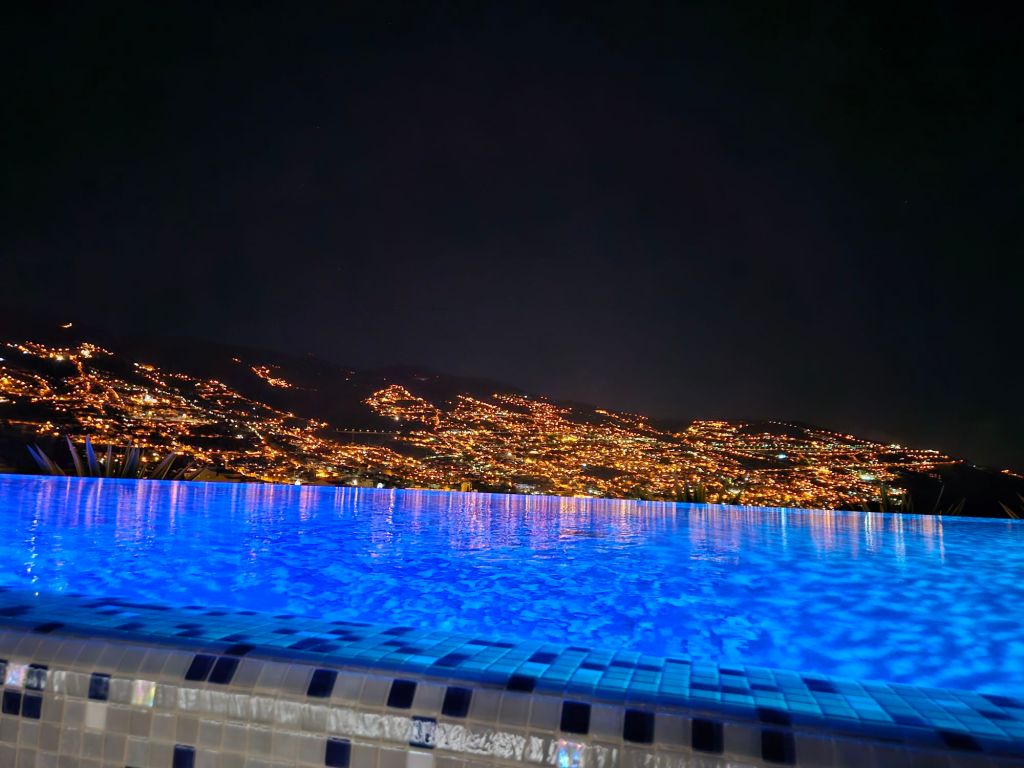
Yrs, you read that right… as my skydiving days are definitely a few decades ago! Funchal is all about looking up. Surrounded by mountains, with steep hills very much in evidence throughout the city itself, elevation is key to the whole experience.
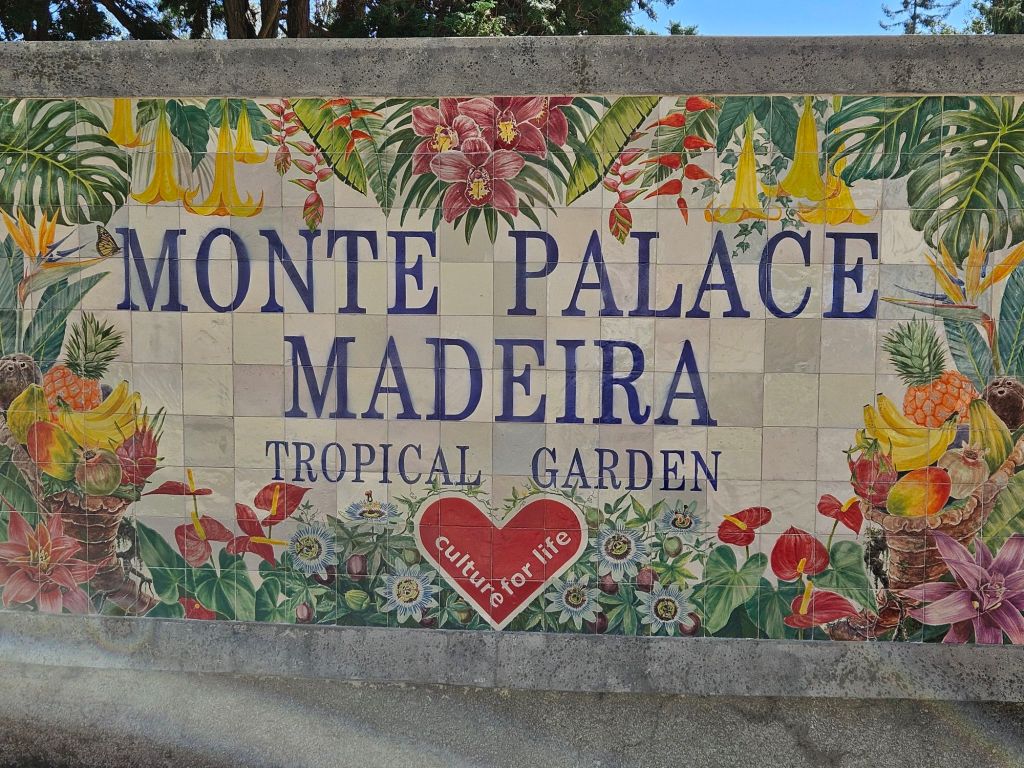
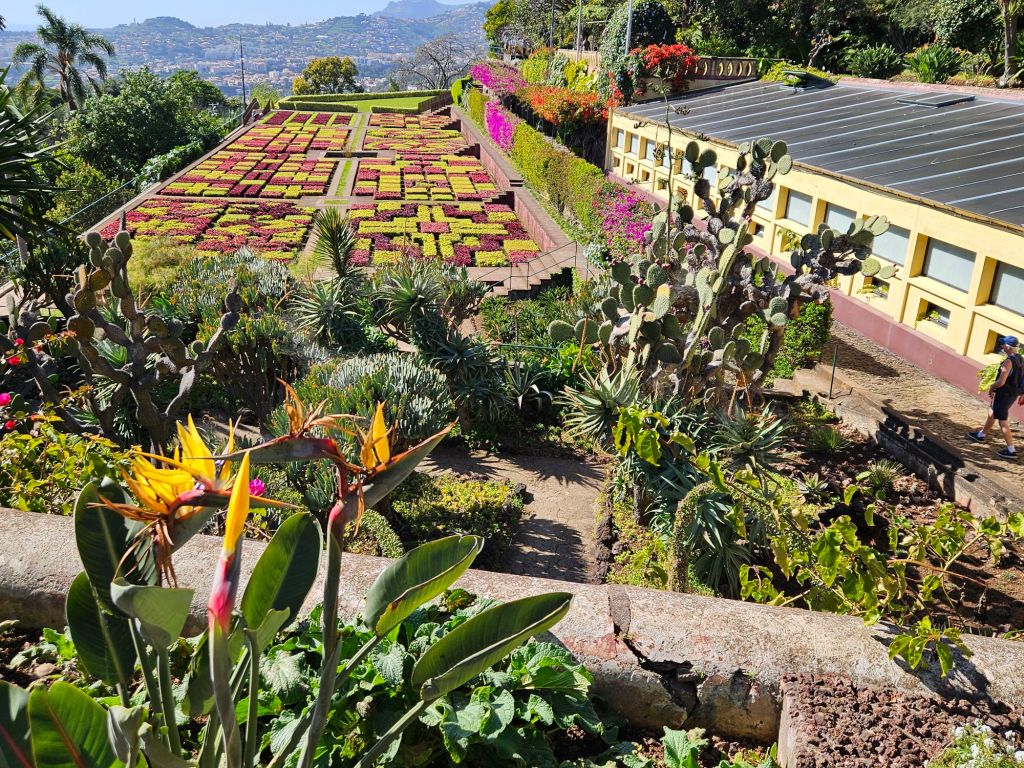
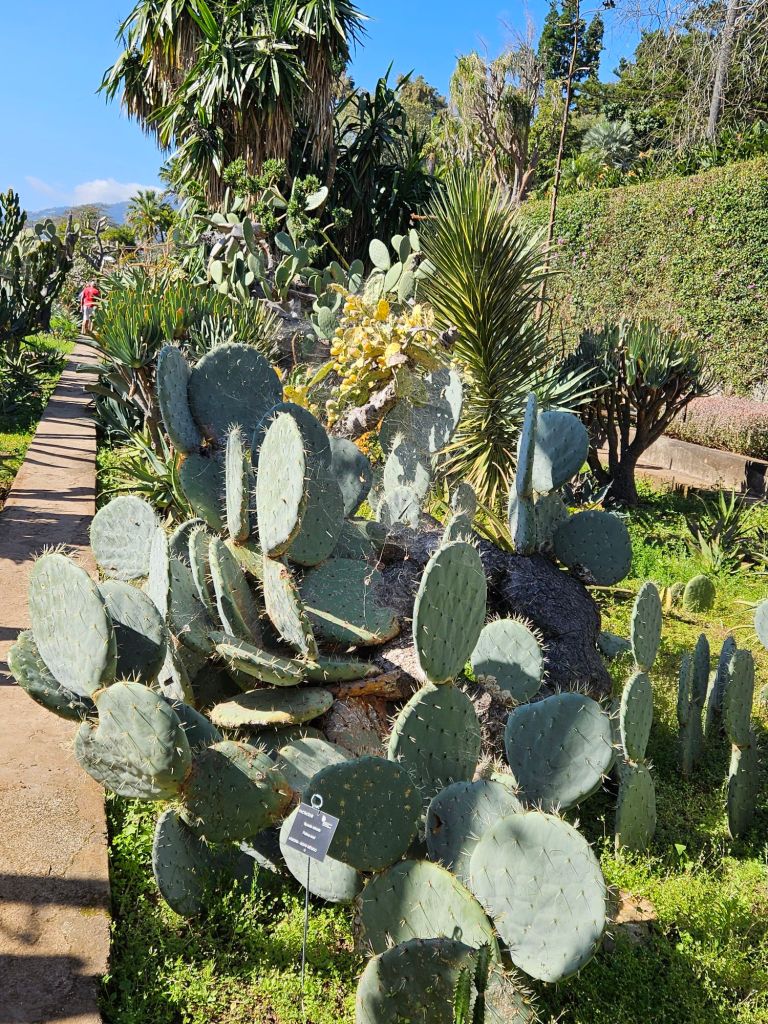
For the fabulous tropical gardens of Monte or the botanical gardens of Jardim, there is only one way to travel…
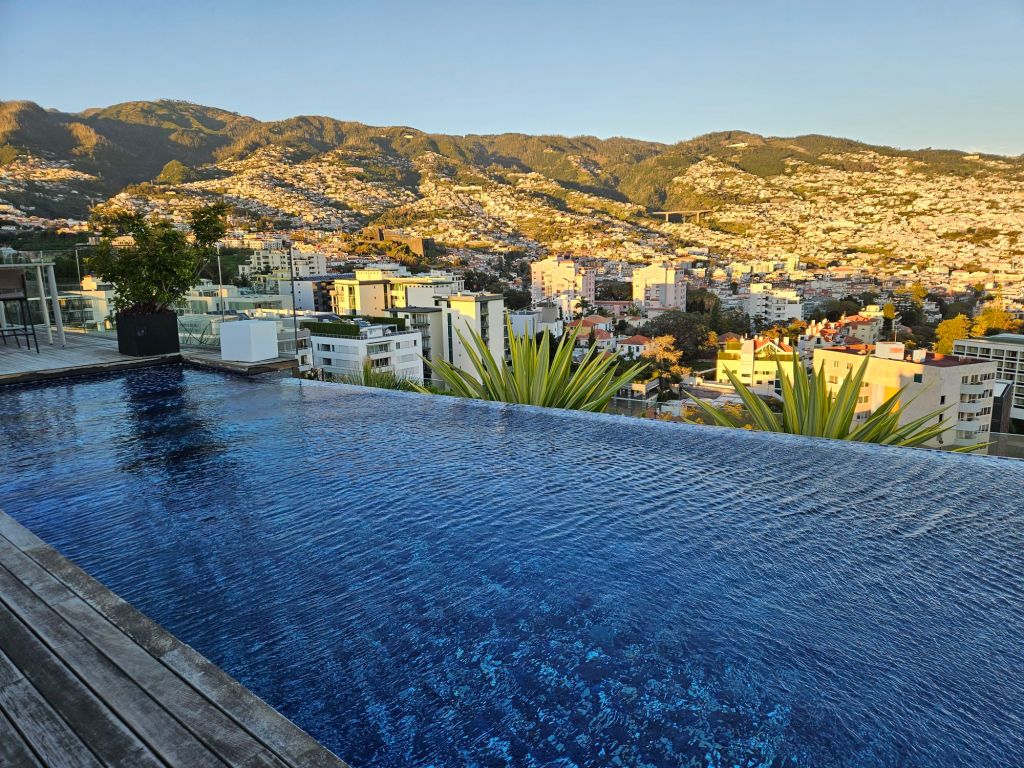
And the payoff is every bit as high as the altitude…
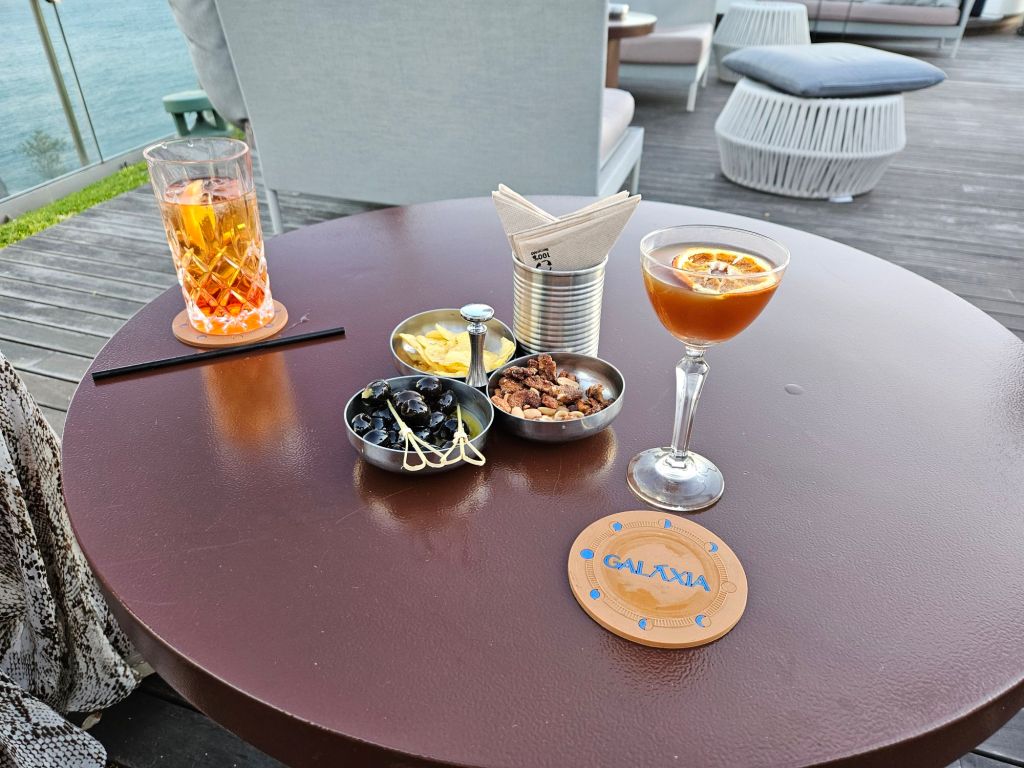
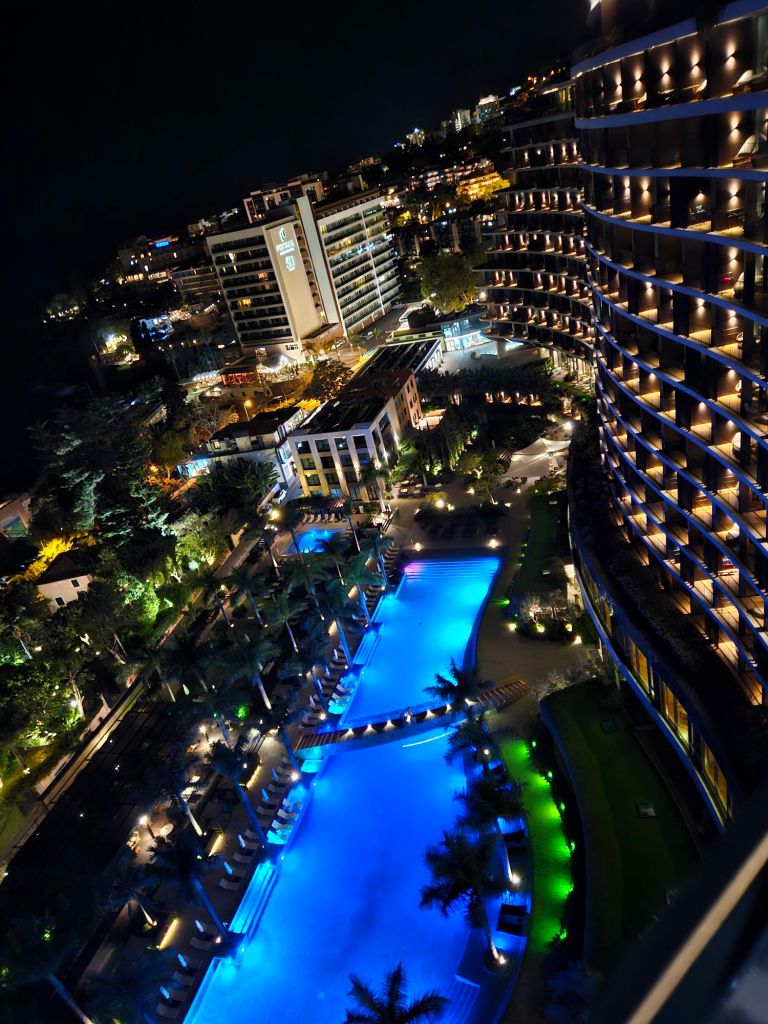
The amount of climbing can be hungry and thirsty work. So, step forward the GalaxiaSkybar and restaurant in the Savoy Palace Hotel to maintain that elevated theme…
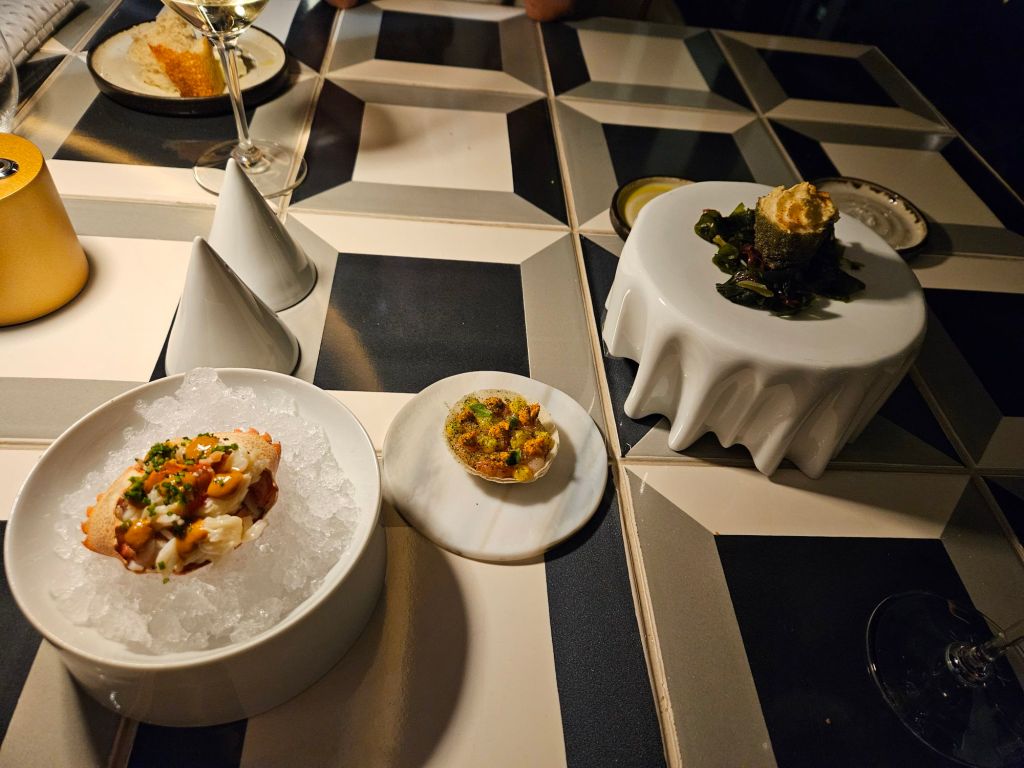
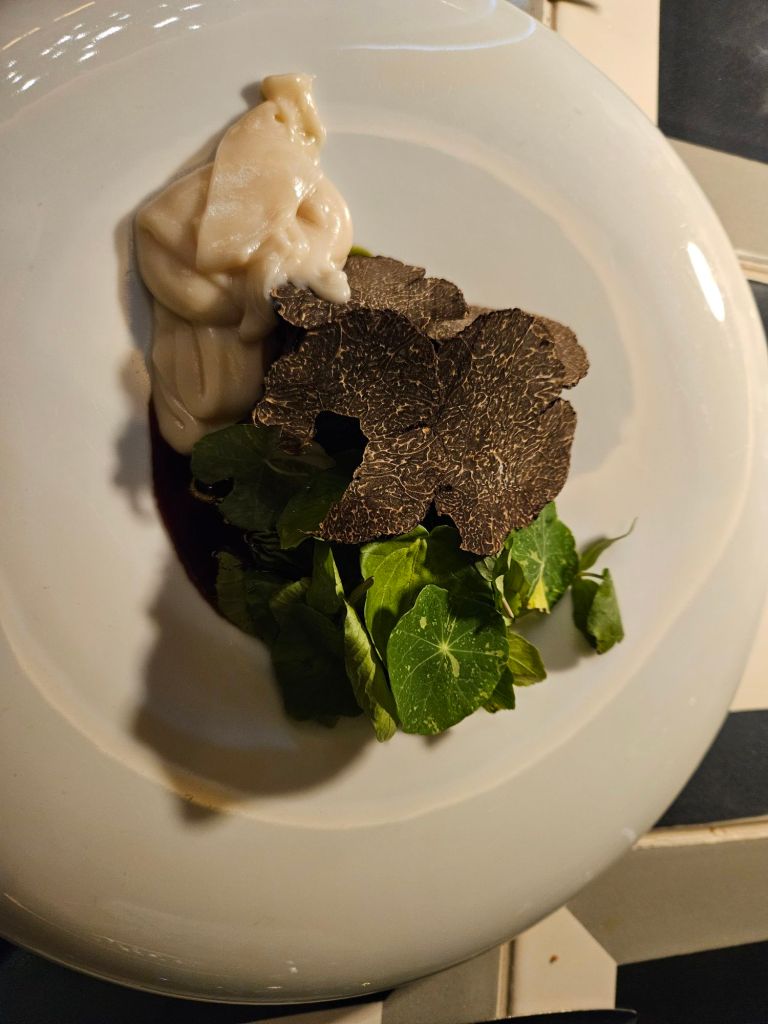
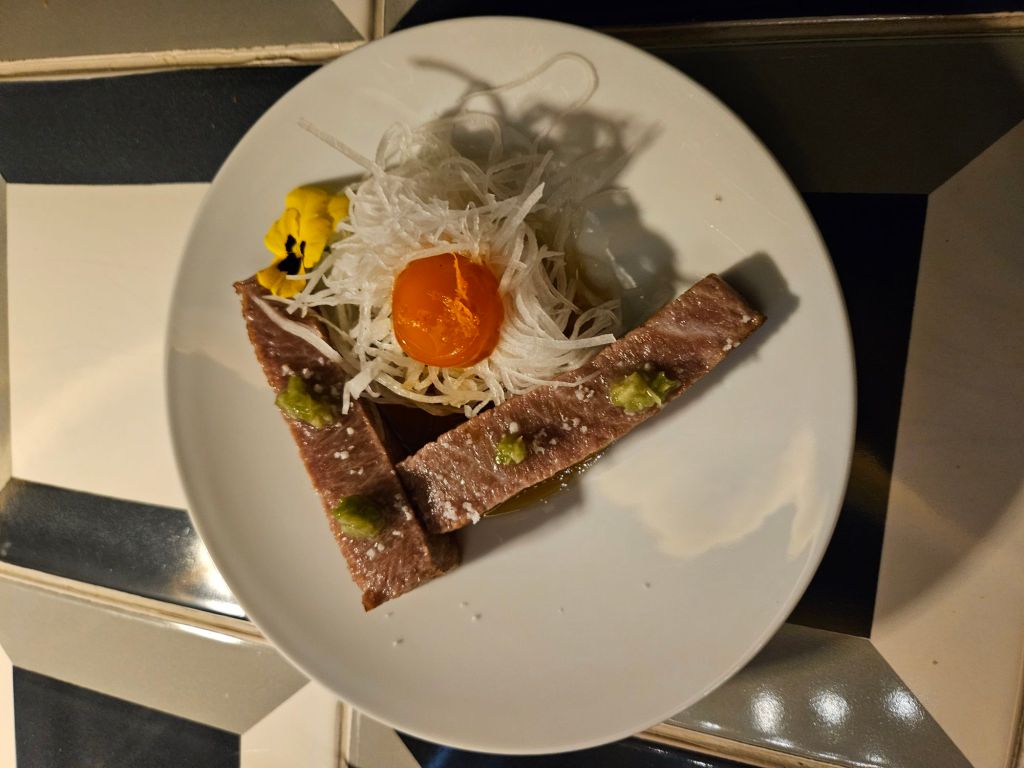
A la Carte fine dining comes with an elevated price tag… but limpetswithseaweed, babylambwithtrufflesandyam, and all sorts of local produce done with unique twists create the unique experience; and tunaandegg never tasted quite like this at Chez Juno in Cardiff!
Desert just needed to be an extra glass of a particularly fine Portuguese red wine from the vineyards of the Douro region. But caution is needed when taking in all you survey after a particularly fine meal with delicious wine…
Until we speak again, it’s back to the chill and gloom of late winter, tinged with the memories of a taste of summer in February (yes, I know it’s always summer in February in Australia!)…
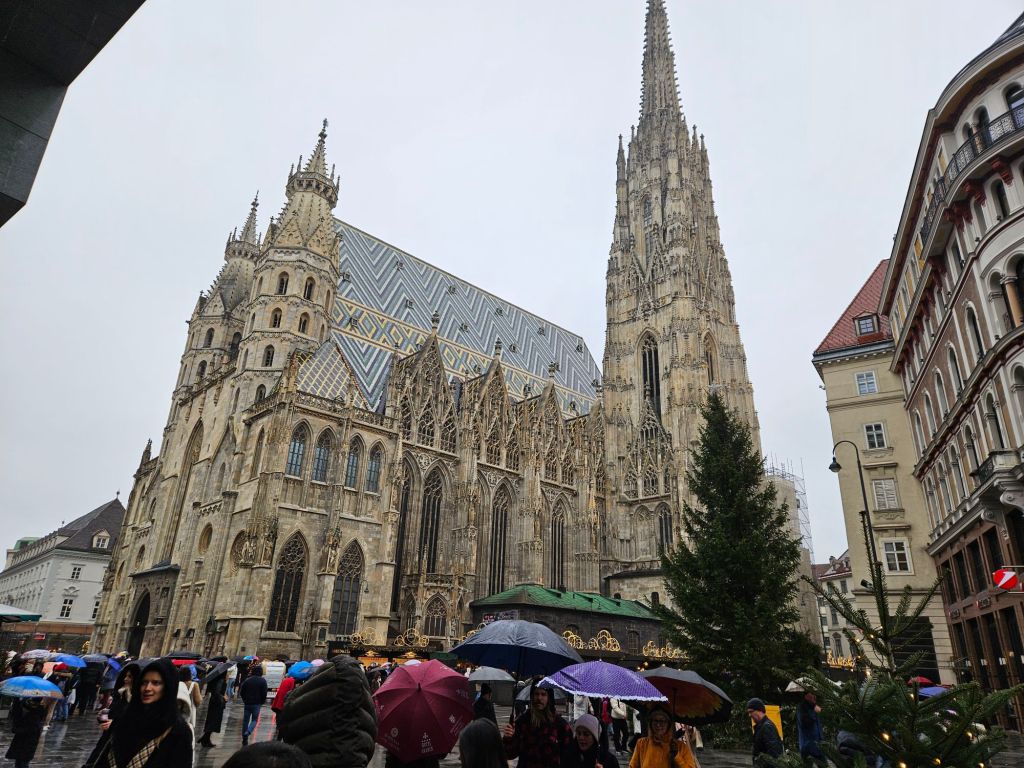
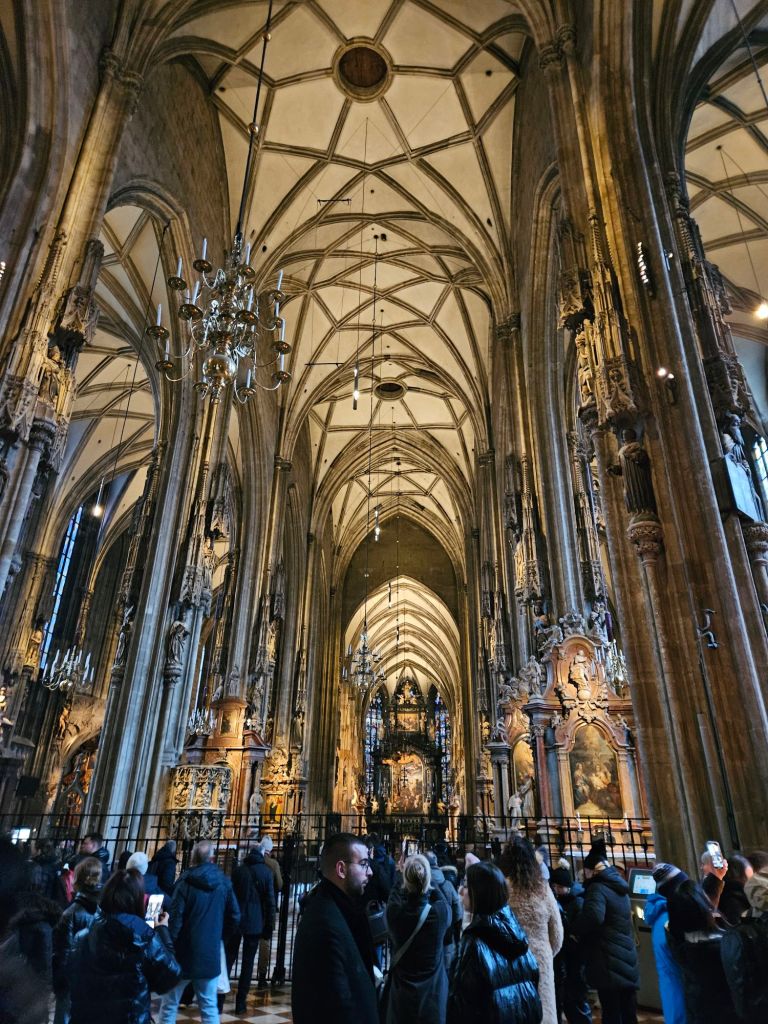
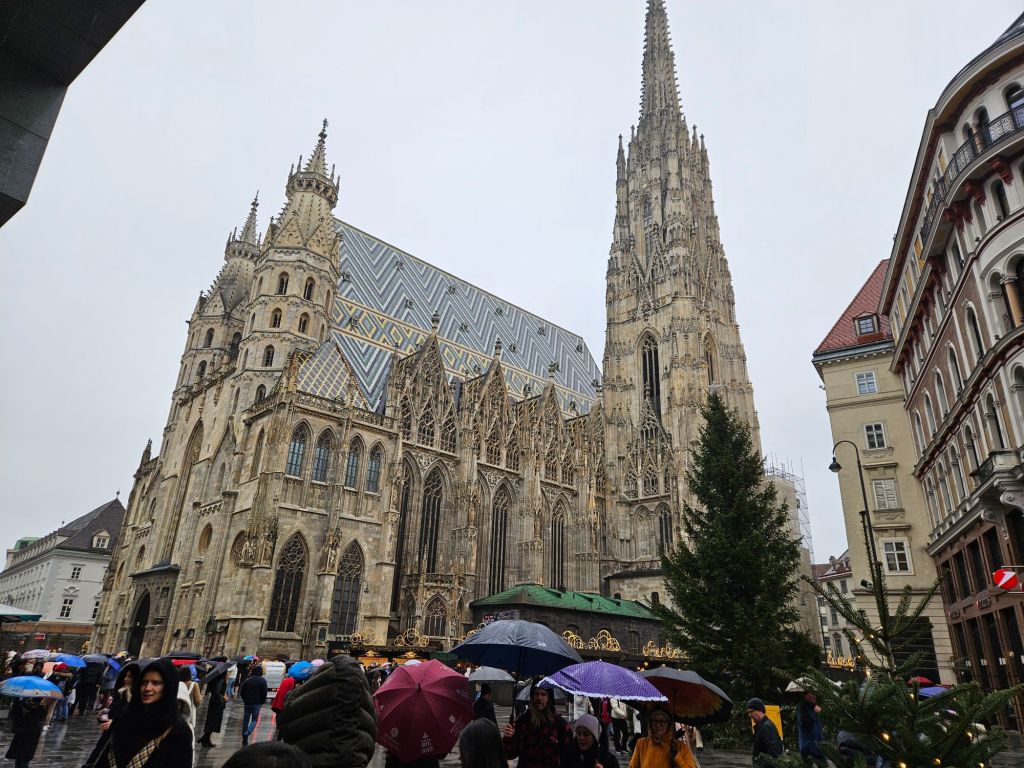
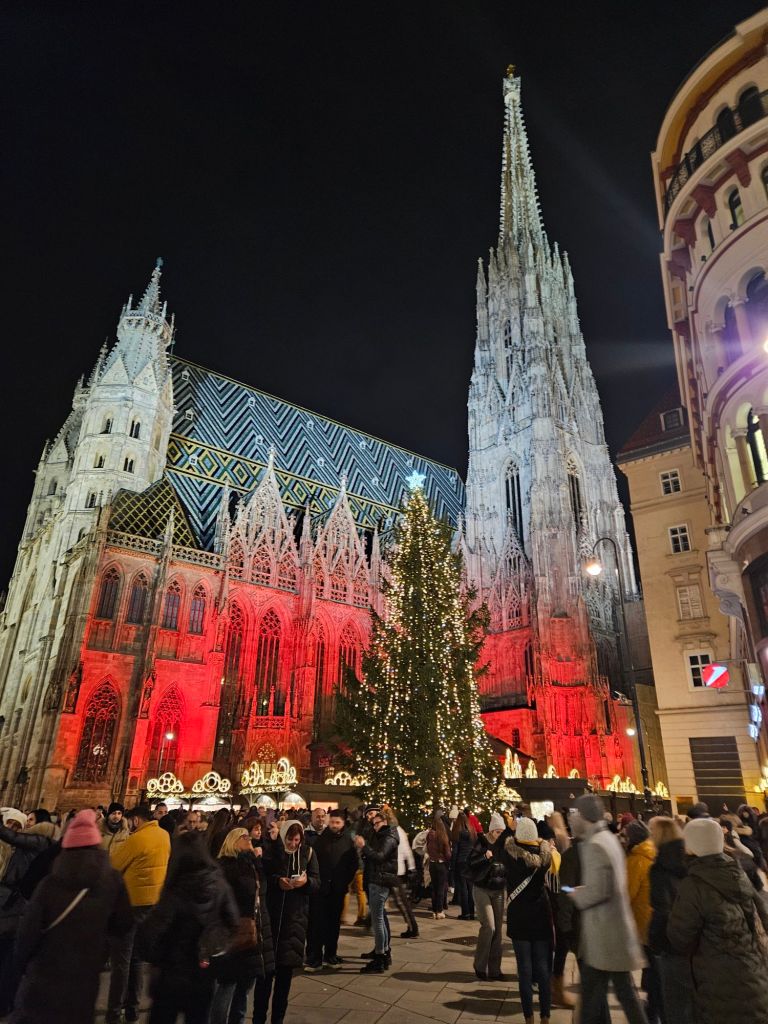
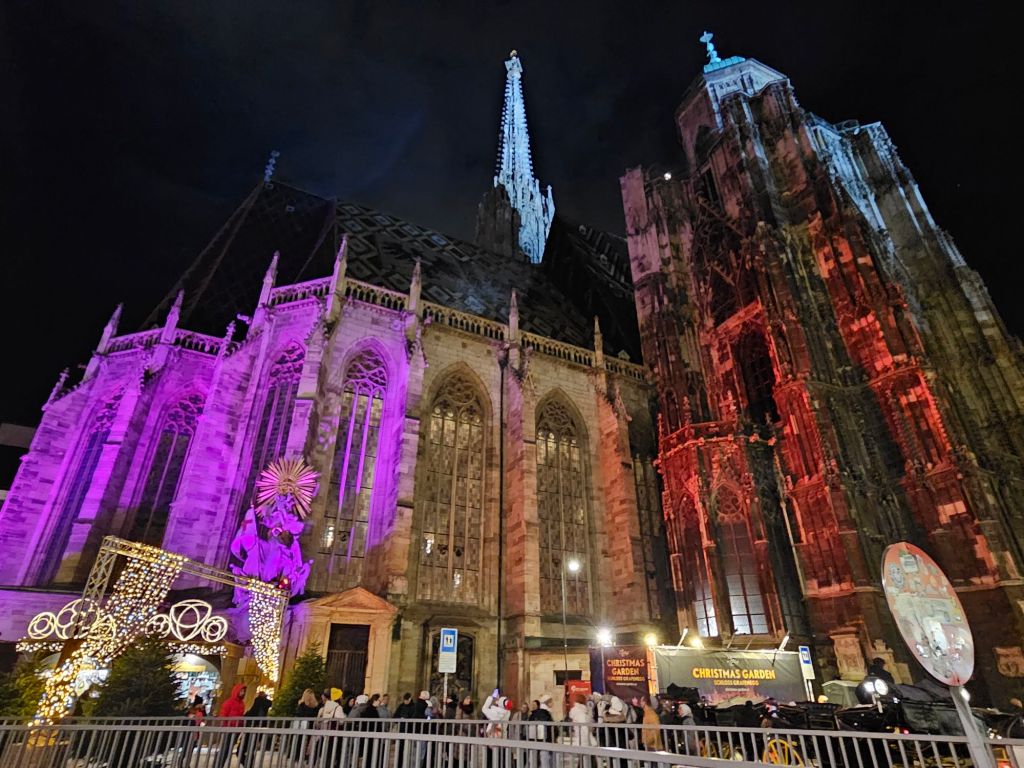
What is it about churches, well cathedrals really, that draws me like a magnet? Quite simple, really, they just knew how to build something spectacular back in the day. Take Stephansdom in Vienna, for example…
I’m sure there is something important about the religious trappings and paraphernalia, at least for some people. I personally just don’t subscribe. A bit like Facebook, really, it’s populated with people and events that simply don’t attract my attention.
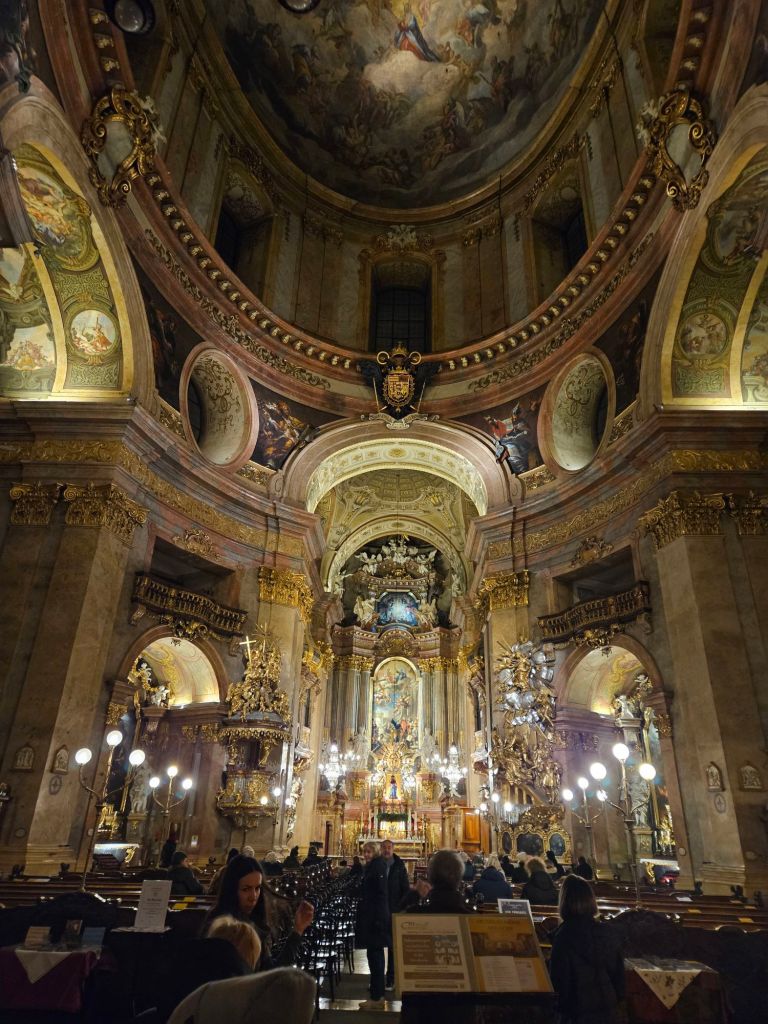
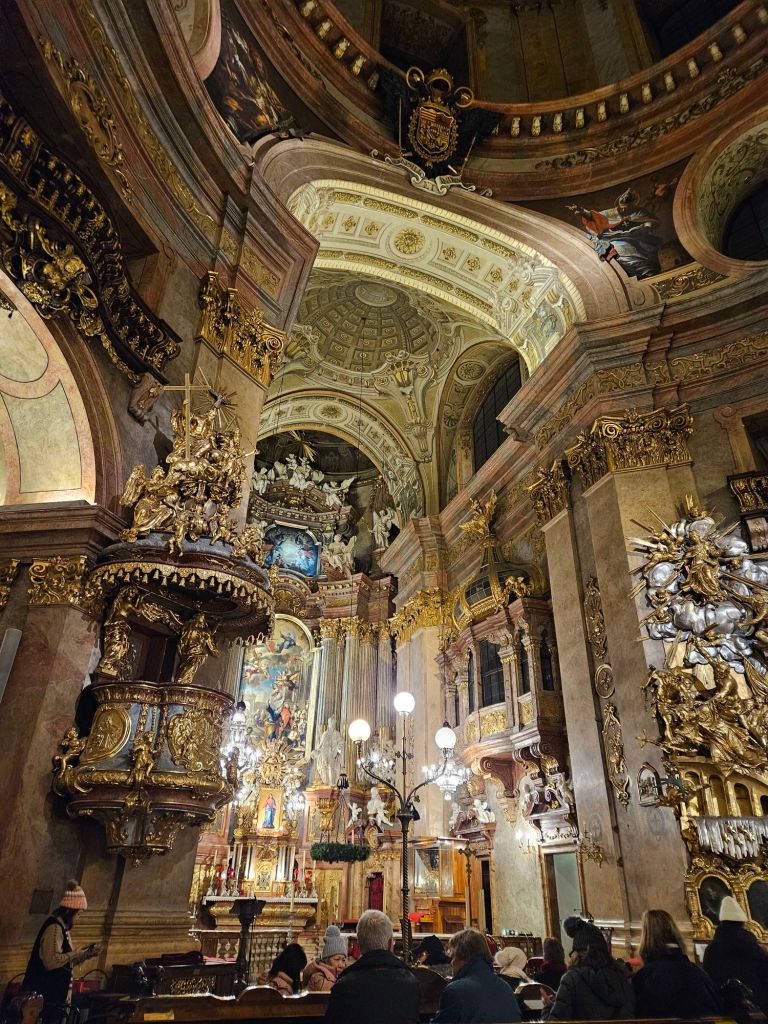
As for Peterskirche, a short walk from the cathedral, it provides a fabulous backdrop for a ViennaClassicalEnsemble concert. The idea that I might sing a hymn and listen to a sermon would never present a cause for temptation.
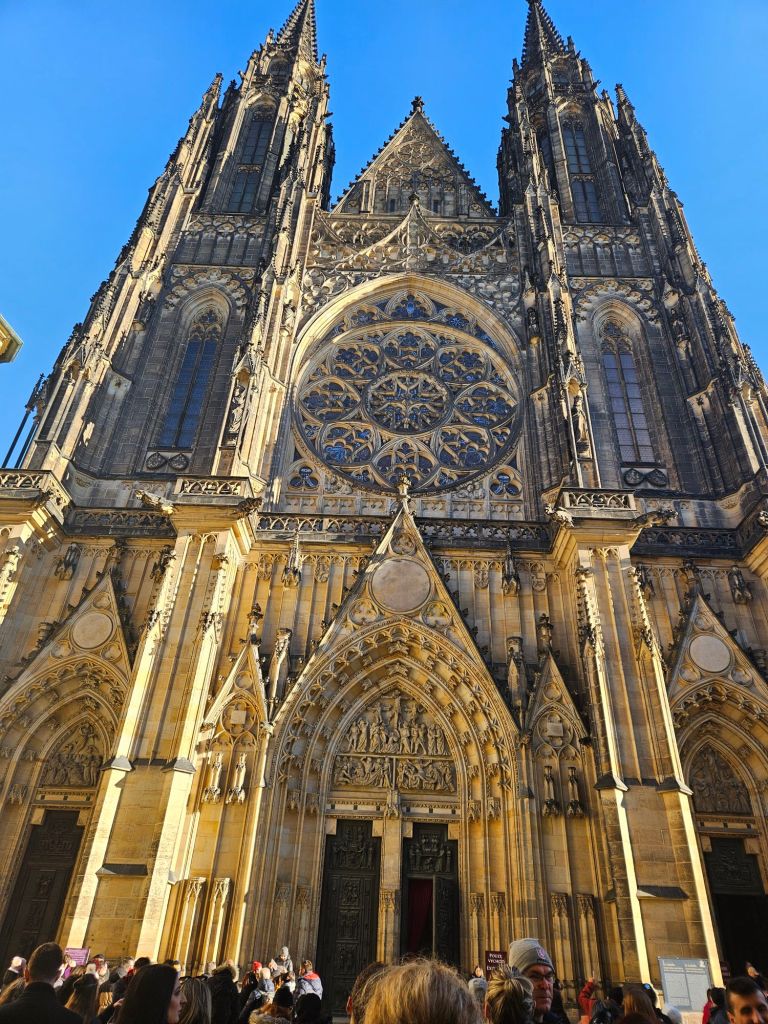
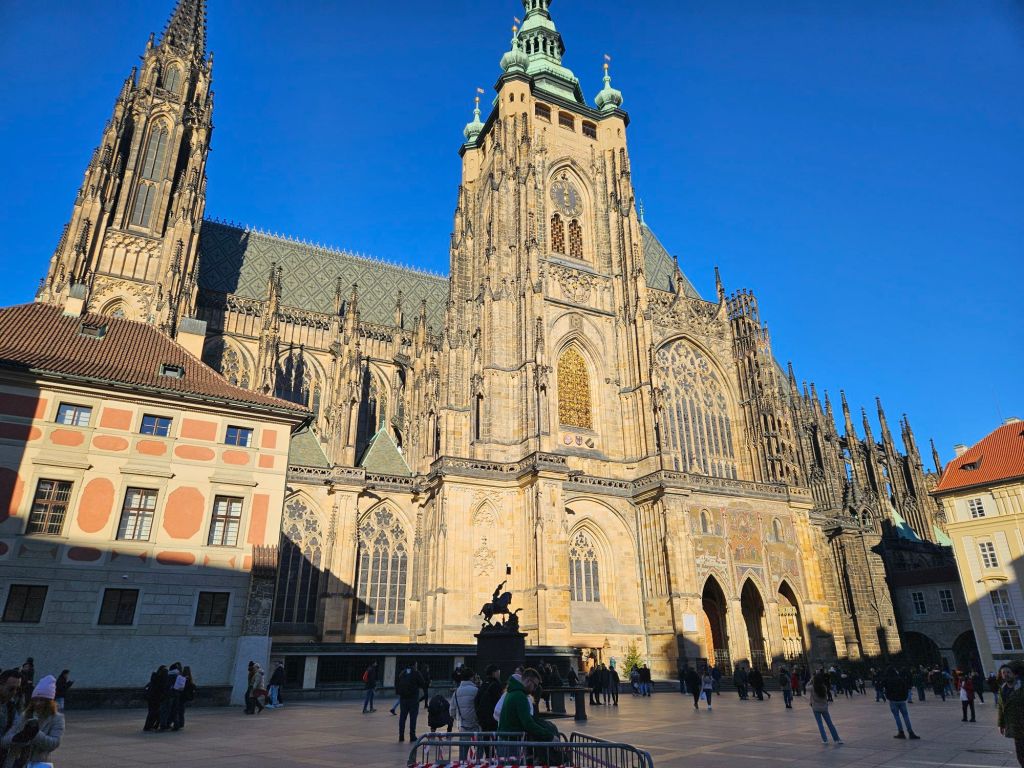
Moving onto Prague, the imposing St Vitus Cathedral is yet another built in an imposing top of a hill position (c.f. Lincoln Cathedral in the UK). Located alongside Prague Castle, this one requires you to climb several flights of stone steps to arrive at the front door…
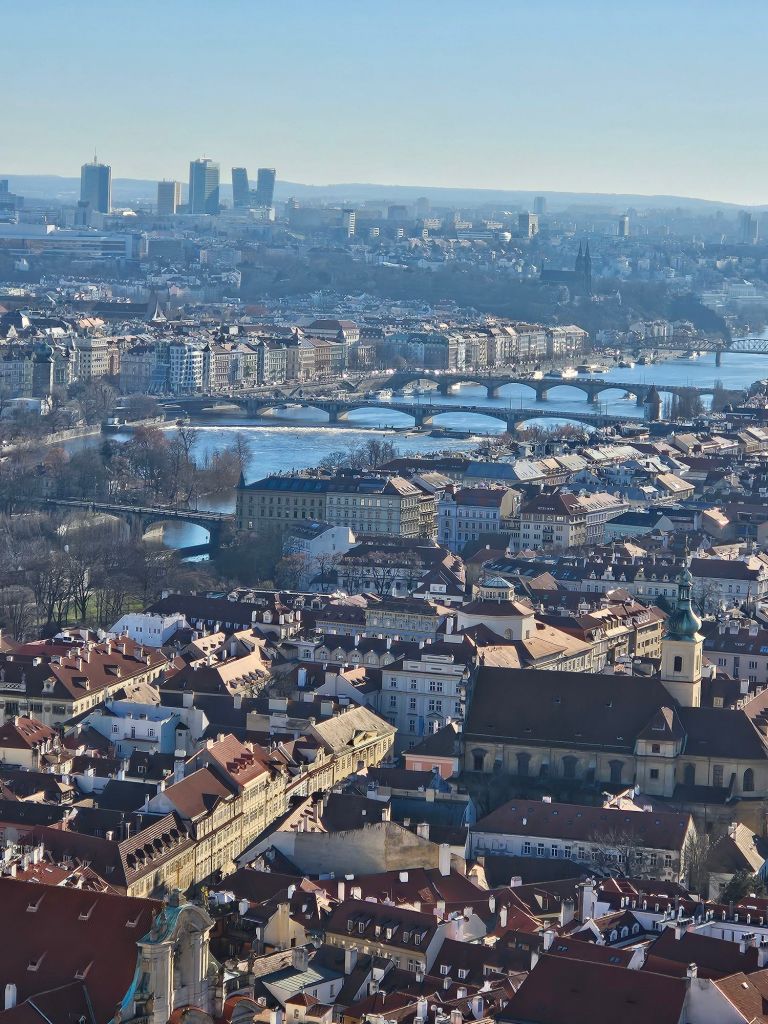
… but beware, if you want the fabulous views of the city there is a further few hundred spiral steps up the south tower (they hadn’t heard of lifts back in the day, and for authenticity, and lack of suitable space, they still haven’t!).
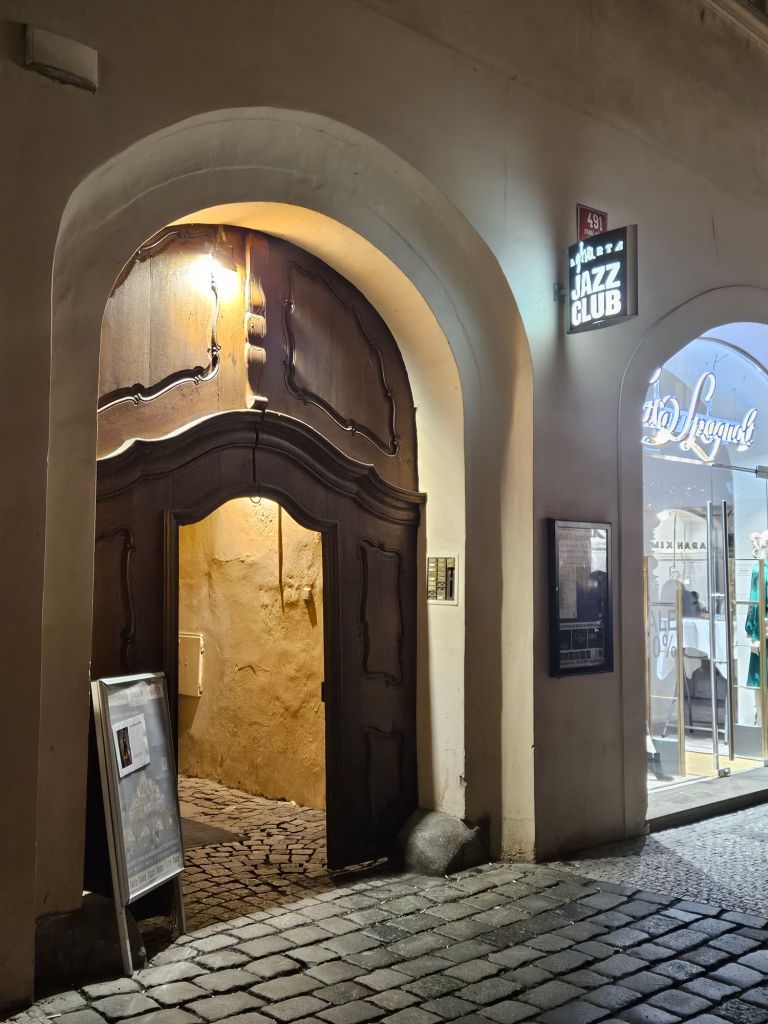
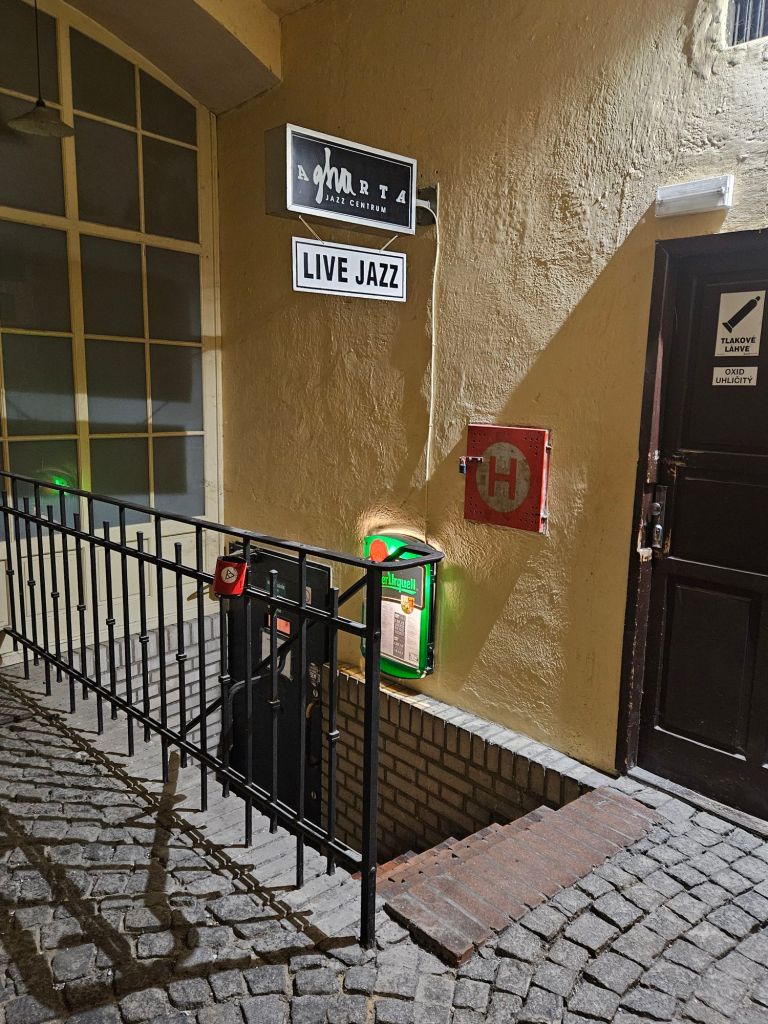
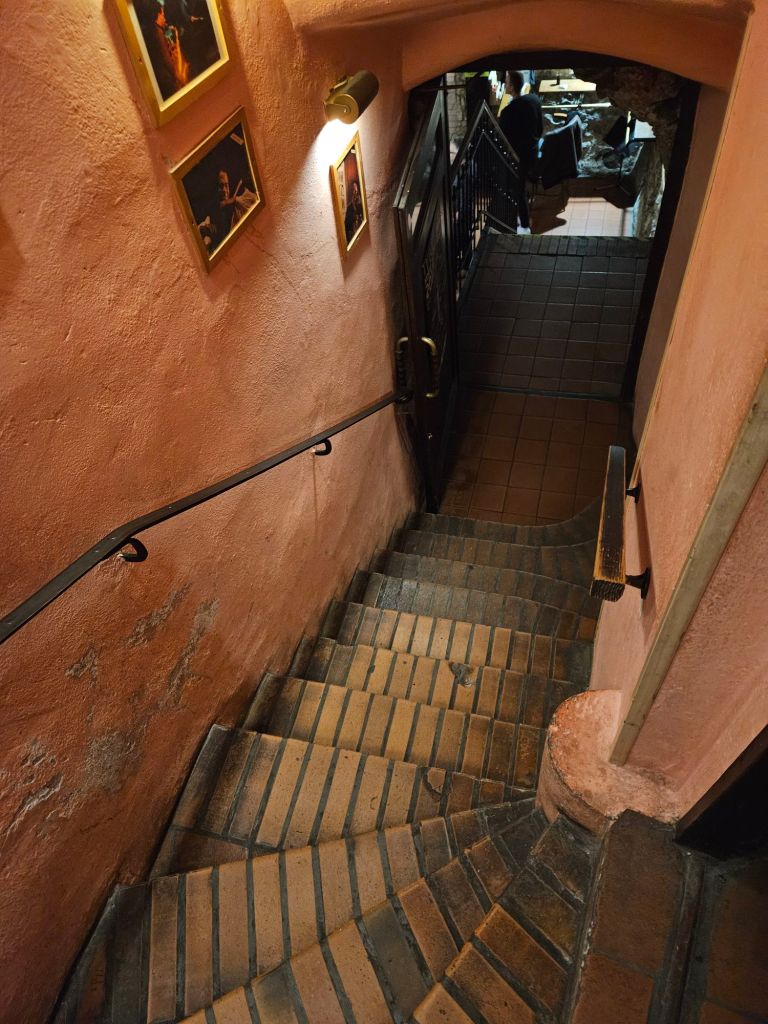
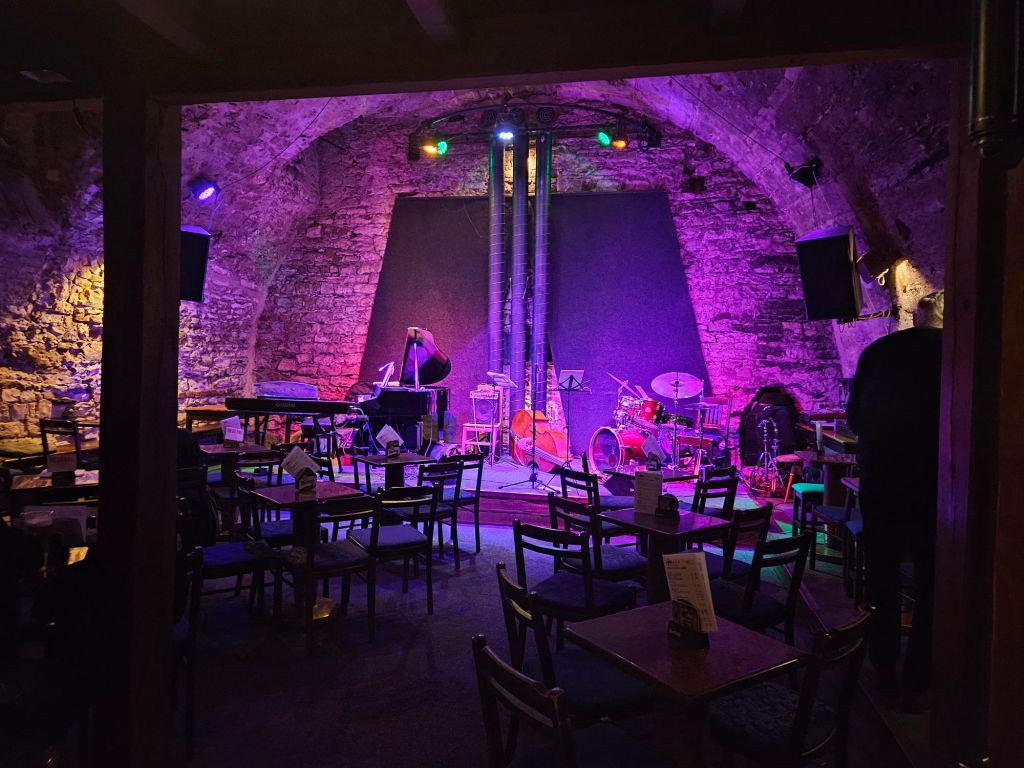
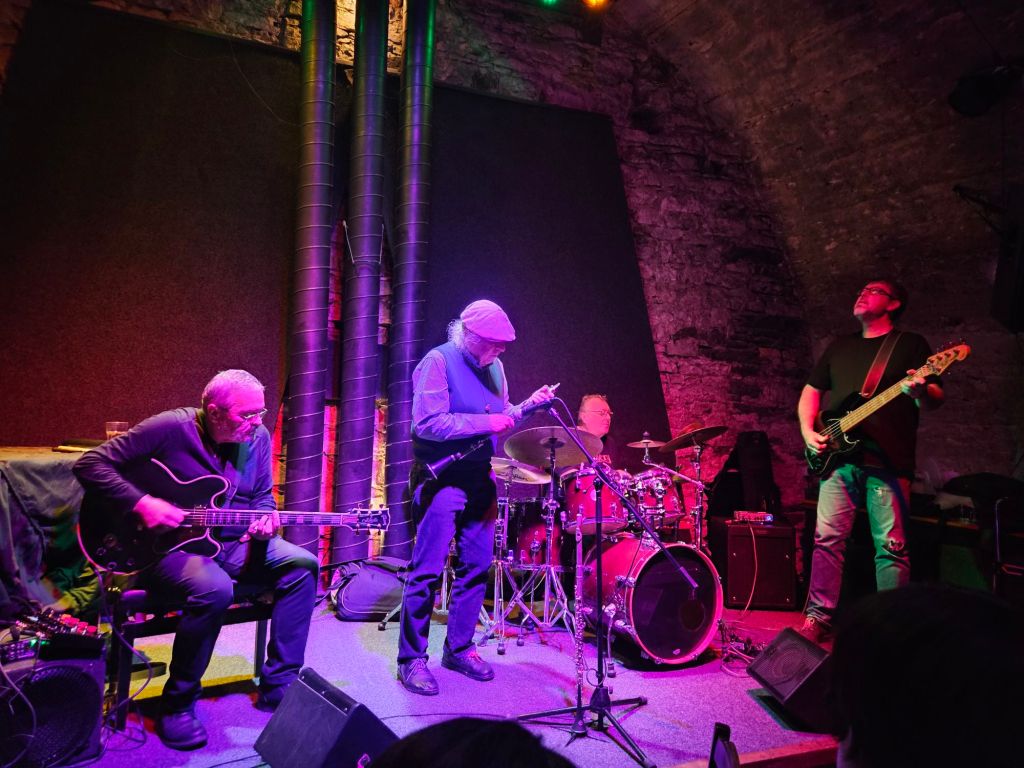
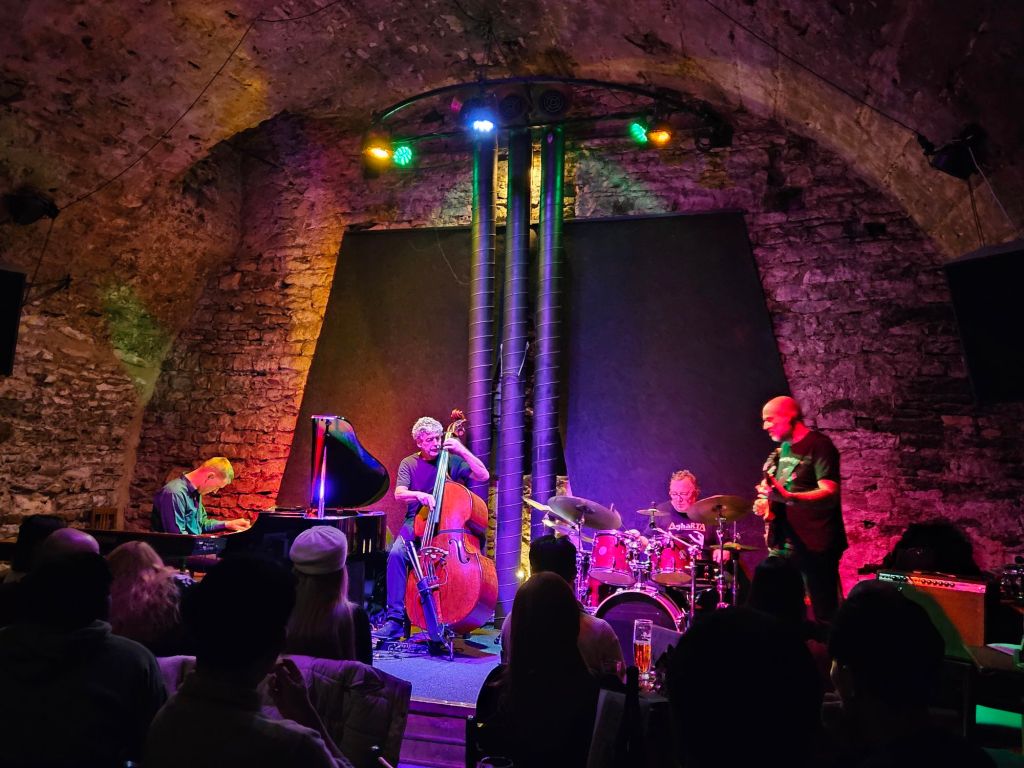
However, Prague did entice me with a religious experience (each of the three nights)… the AghaRTA jazz club had all the architectural trappings of a subversive underground religion…
Until we speak again, enjoy your religion, enjoy good architecture, and when the two combine… feel free to worship!
Forget the commercial angle where purveyors of tat try to get you to part with your cash for stuff you don’t need. After all, they need money at Christmas as well… just not yours if you’re savvy enough. These events are more of a celebration… a time to eat, drink, be merry, and yes, part with your cash for a noble cause… your own enjoyment and that of those who happen to be special to you!
As an idea, Christmasmarkets go back a long way… traditionally established in German speaking European nations, and much later adopted by many other countries around the world. After all, if it’s a good idea, why not nick it (there’s a Santa pun in there for some of you).
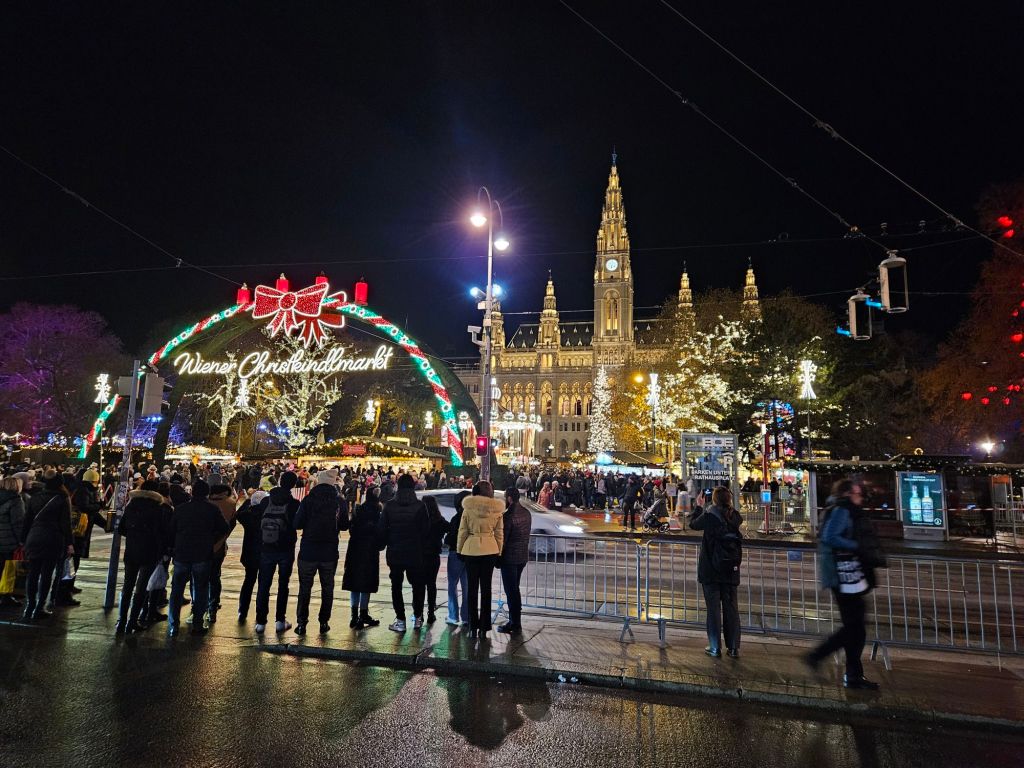
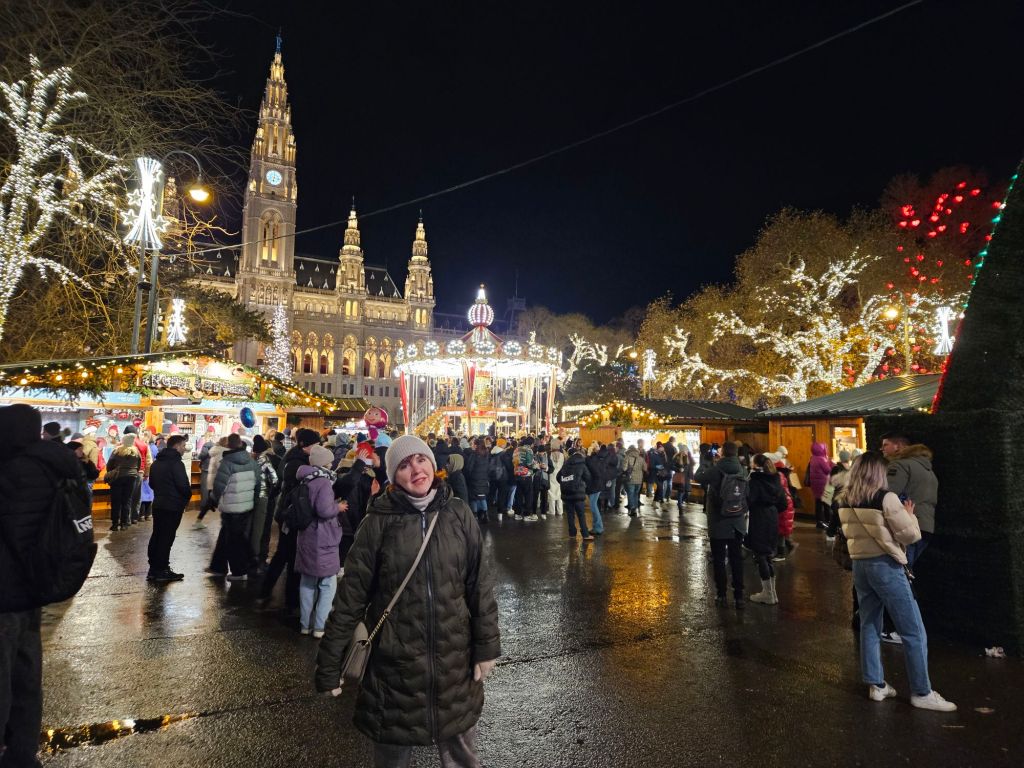
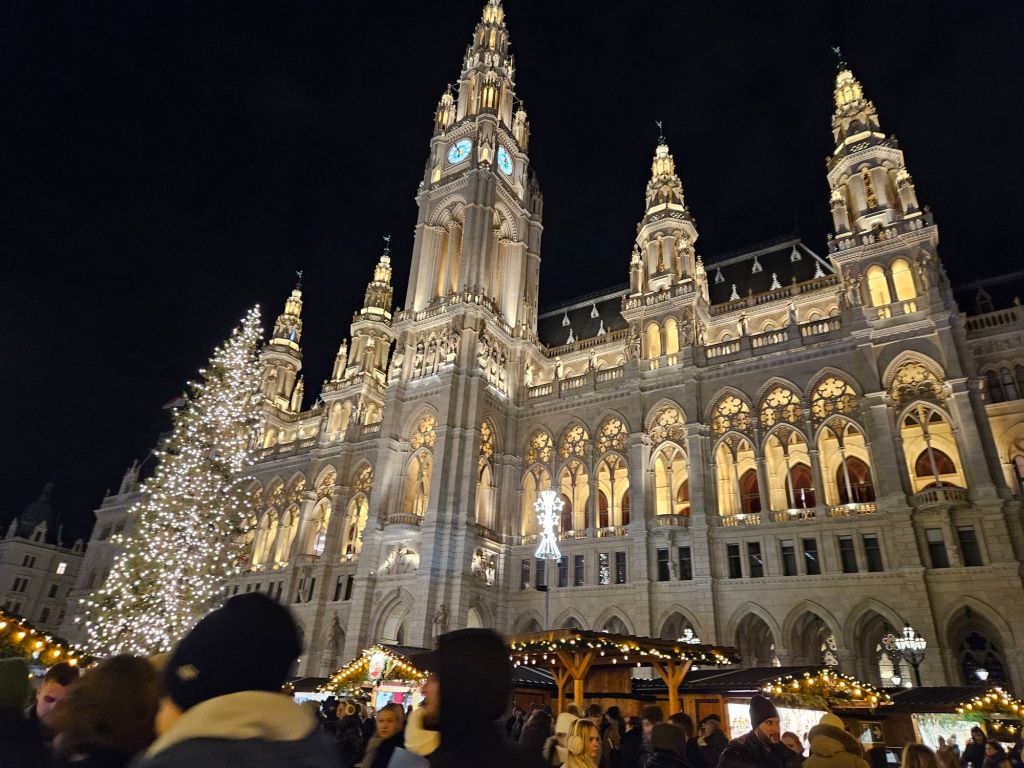
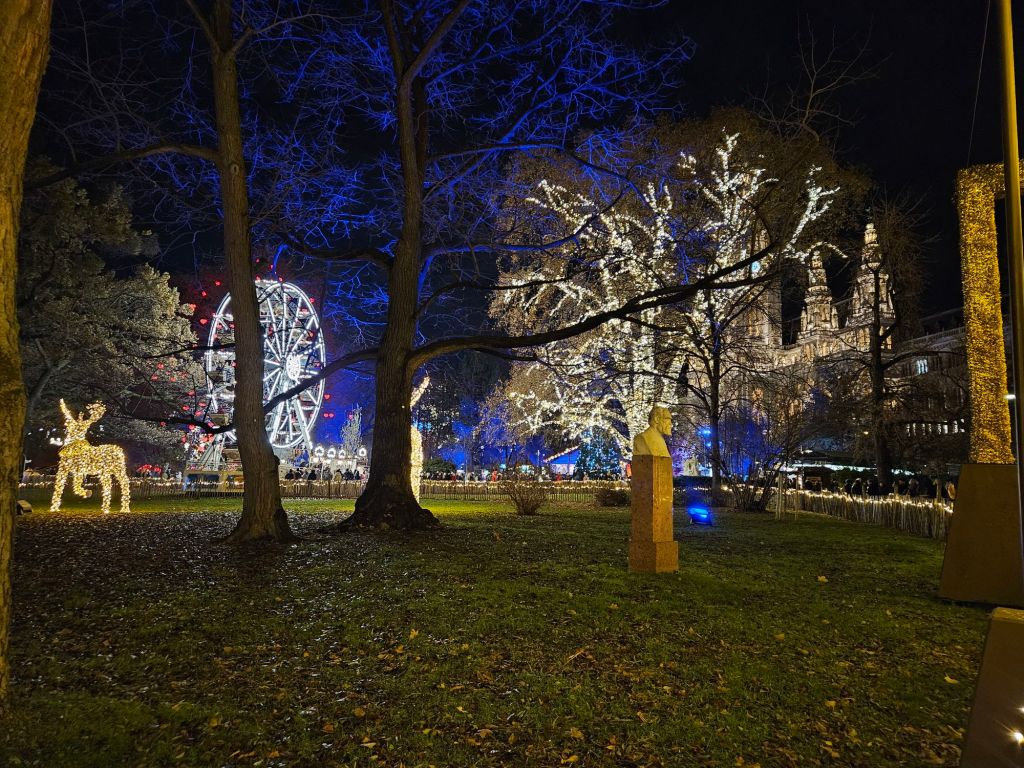
So, where did it all start… why, Vienna, of course. The oldest and largest dates back to the 13th century. Today, it boasts up to 20 separate Christmasmarkets around the city! The largest is at Rathaus Park in front of the old town hall…
Meanwhile, another forms a ring around the Stephansdom Cathedral… well, you need to have some tenous link between your visceral pleasures and the religious connotations of the time of year…
Dresden and Frankfurt may want to make various claims of age and size… go ahead, but Vienna takes the prize with this correspondent (and independent historians, apparently).
As for non Germanic countries, take your pick, as many understandably have adopted a good idea for celebrating, just because people like doing it. For me, it was Prague that would provide a second stop on a whistle-stop tour of European capitals leading up to Christmas.
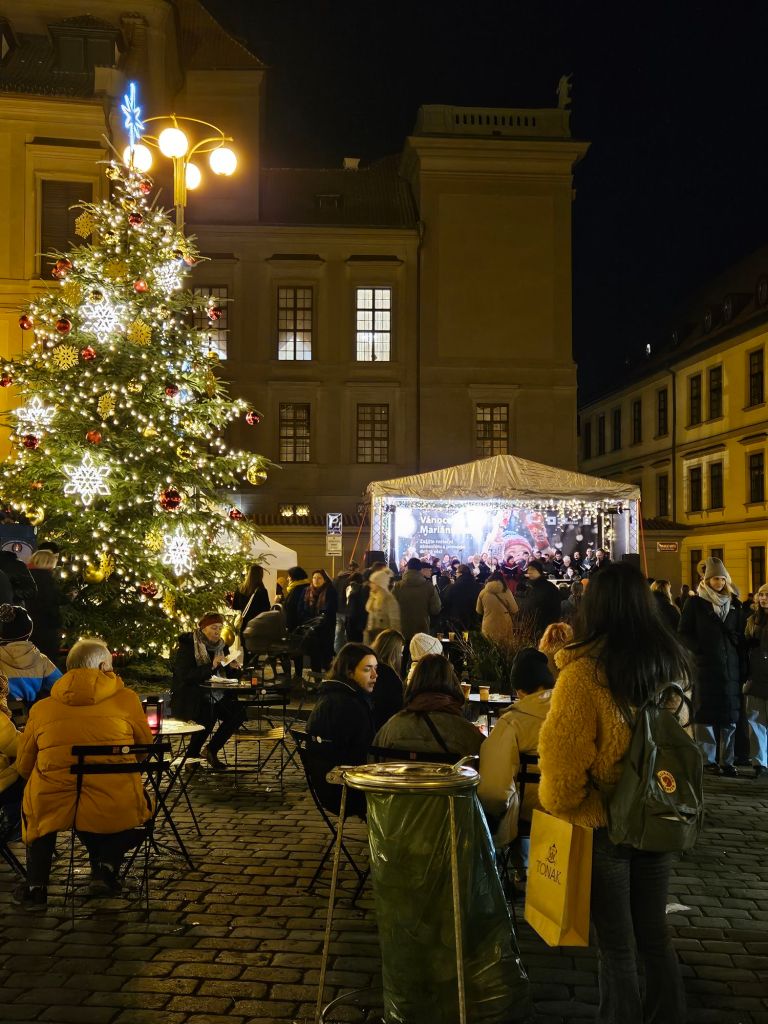
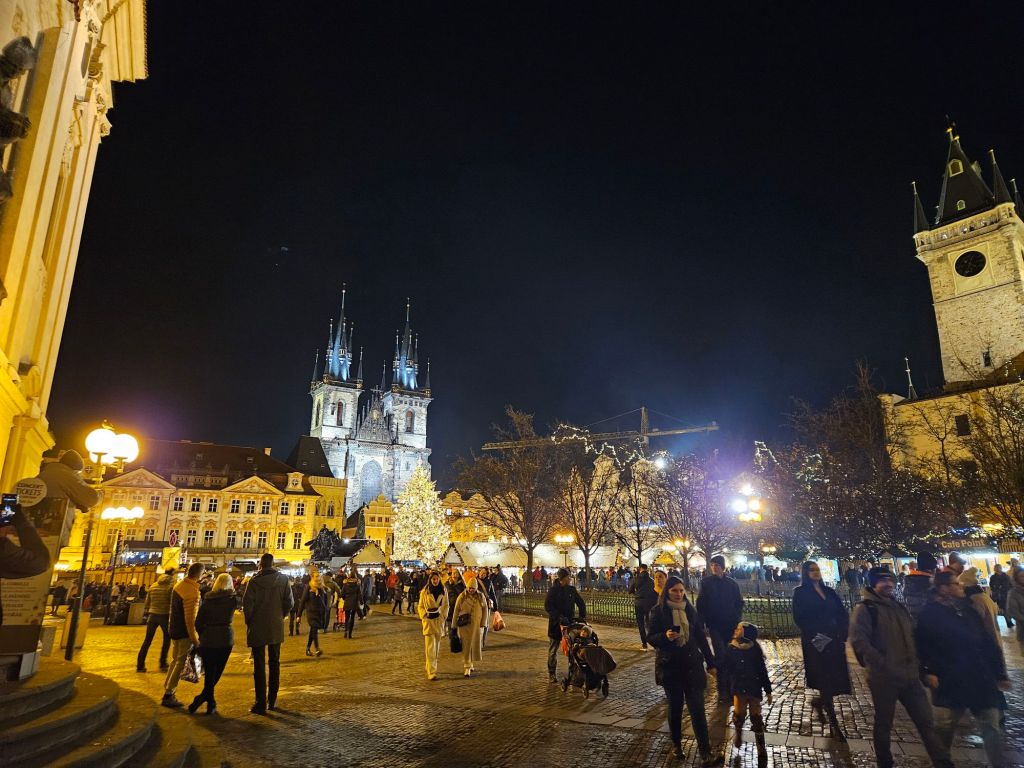
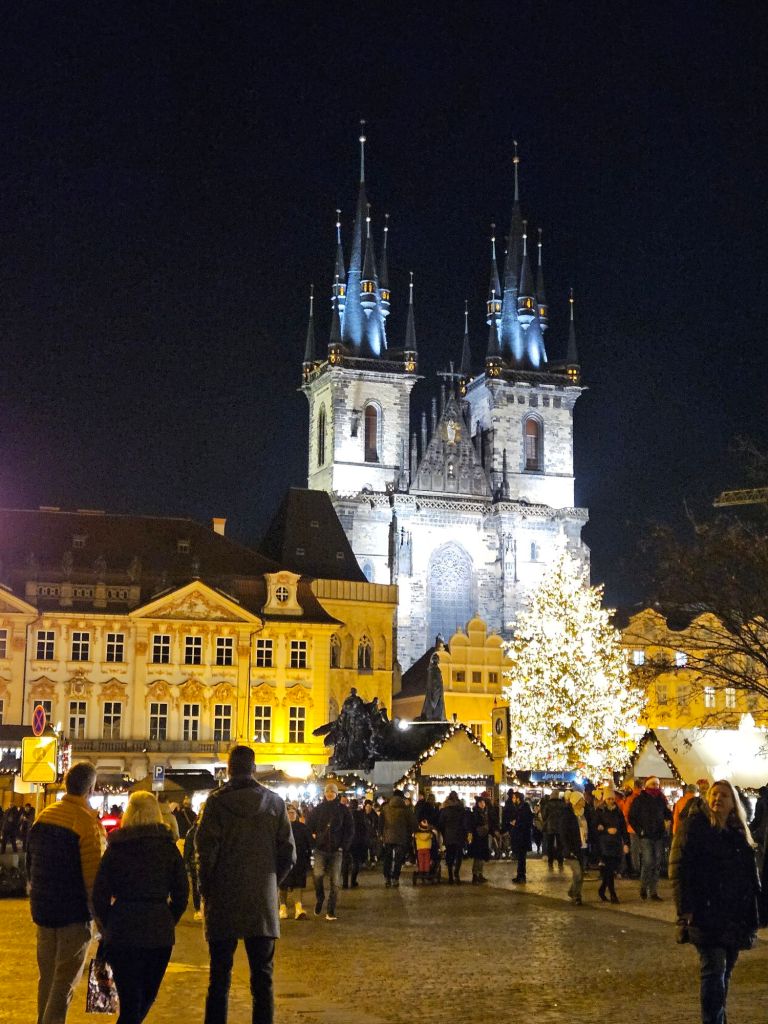
Here, there are two focal points for slurping the Gluwein. The first is in the old town hall square (there’s a theme emerging here of markets and old seats of local government)… who knows why or even cares after a few Santa boots of the hot stuff!
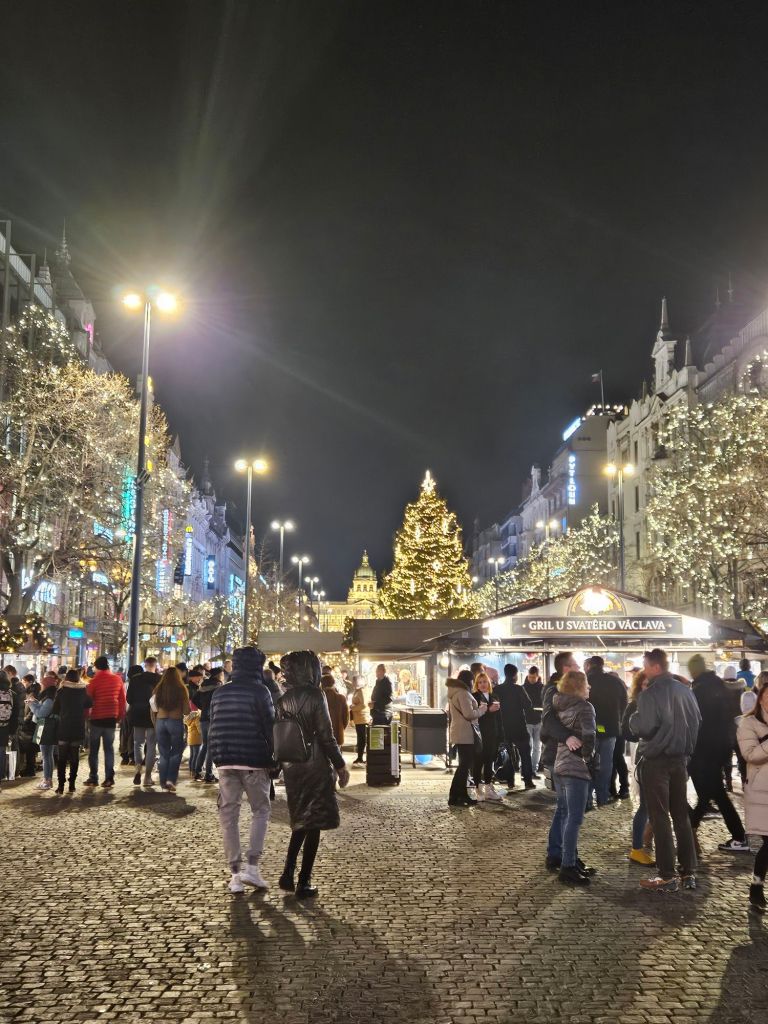
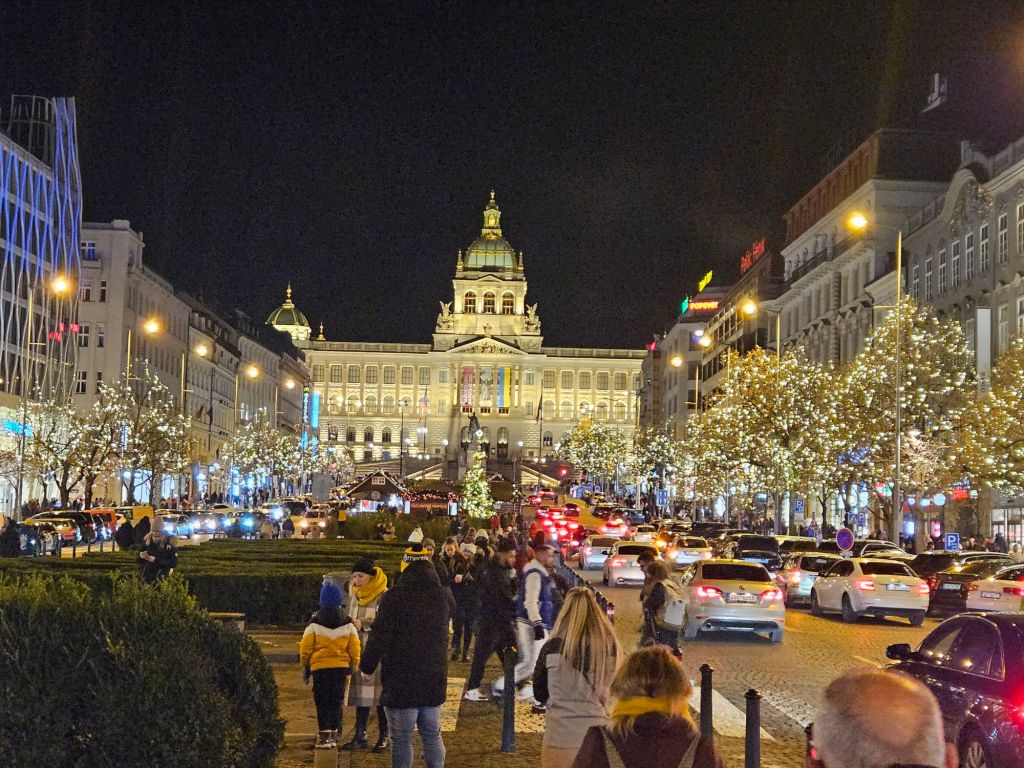
Then there is the ribbon-like affair stretching up Wensaclas Square (town halls being replaced by the national museum in this case)…
Until we speak again, raise a cup to the festive time of year. MerryChristmas to my loyal reader, wherever you are!
From wherever you’re arriving, air, rail, tram, and bus services will deliver you very efficiently to the centre of this UNESCOWorld Heritage Site. But, once you get there, only one form of transport will do, and that’s… walking! It’s the only way to take in what this well-preserved city offers the discerning traveller.
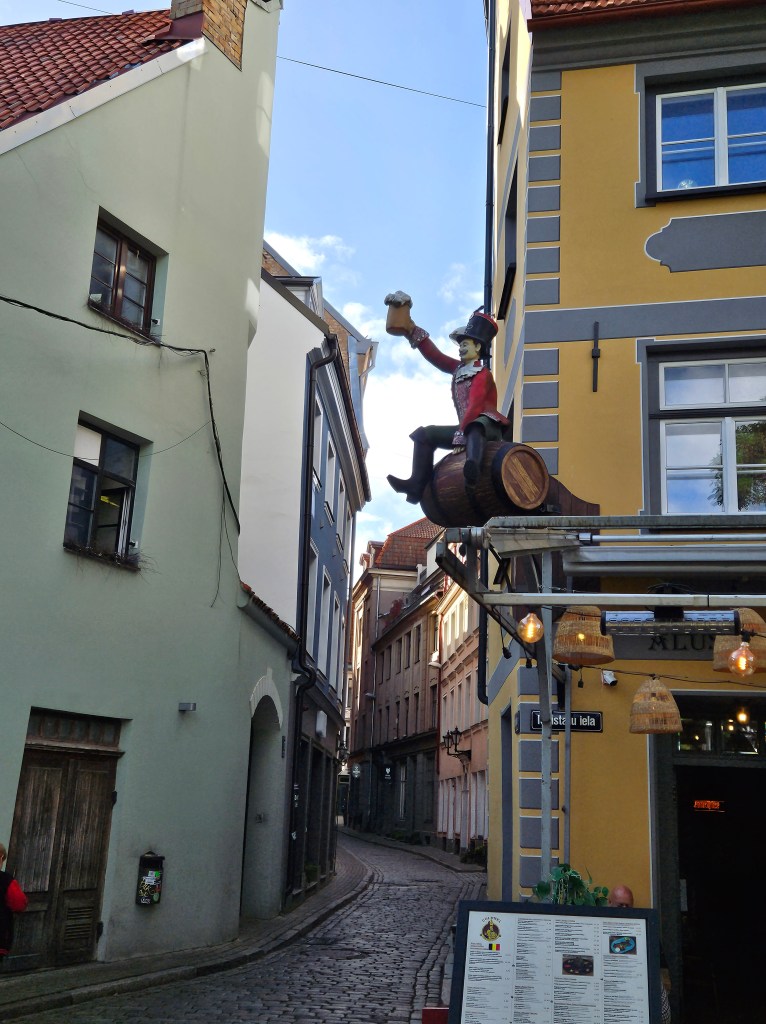
Riga is definitely a feast for the senses, but don’t feel too concerned for the man with the world’s most enormous haemorrhoids… he’s still providing every passer-by nothing less than a jolly welcome…
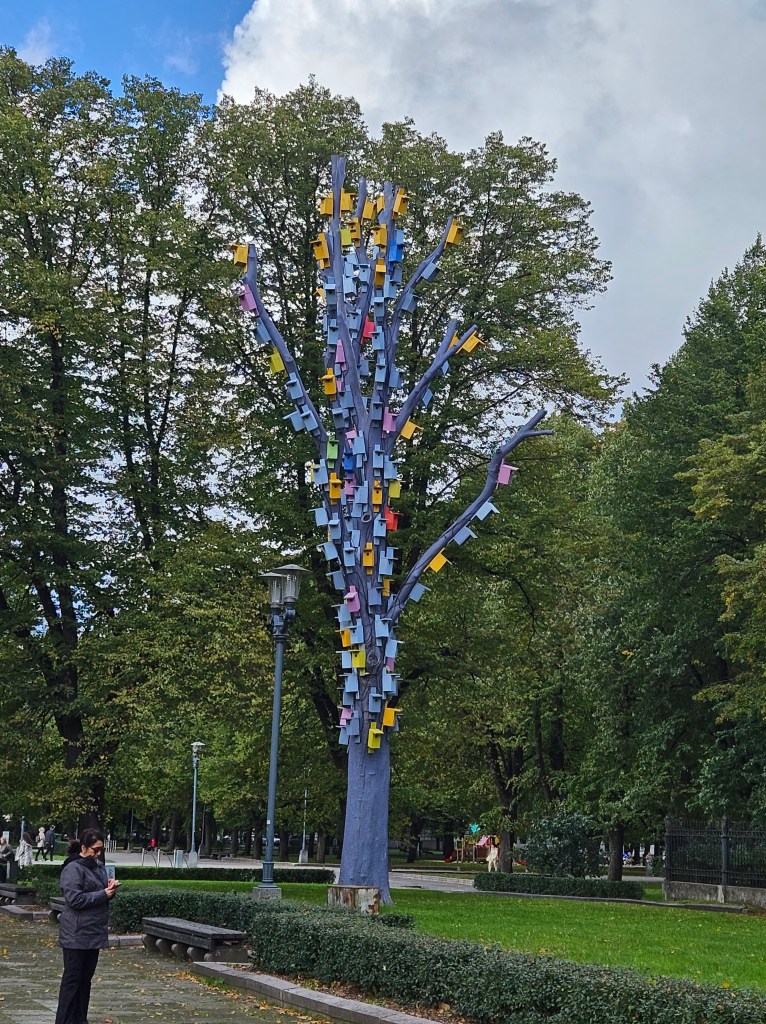
Feeling lost? If at any time you’re feeling like you’re away with the birds… well, Riga has a neatly organised solution. Check out the colourful tree in one of the central parks, as here you’ll find one of the biggest collections of bird boxes……..
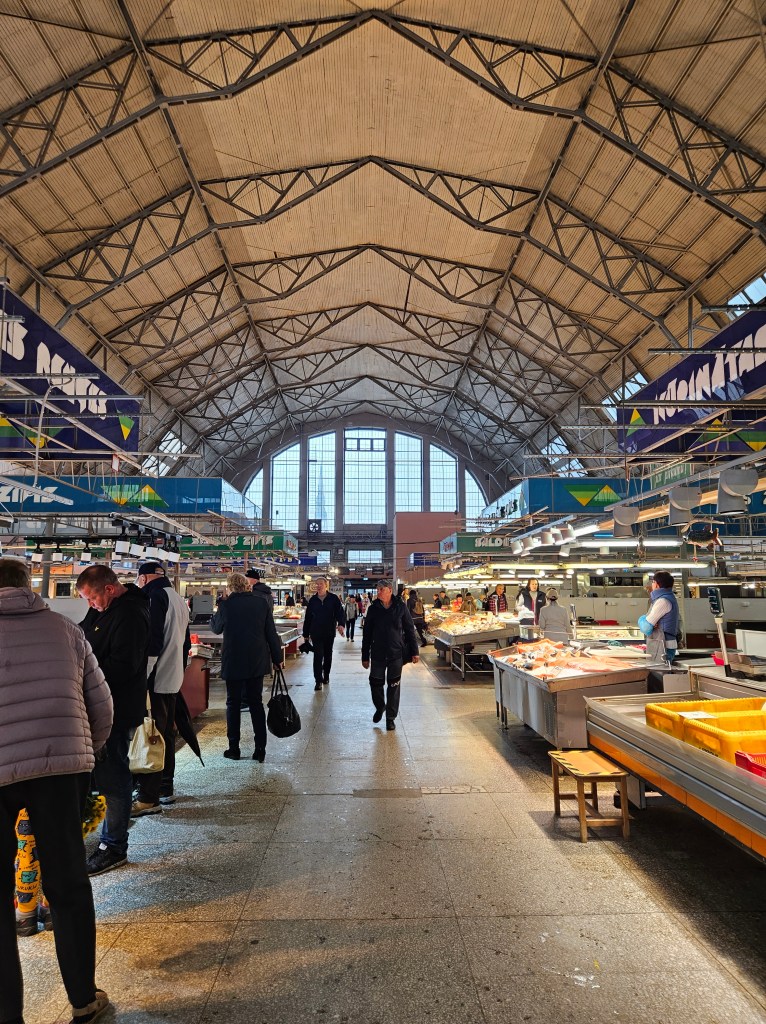
Then, when you’re lost for somewhere to park your spare zeppelins, check out the amazing Riga CentralMarket. Yes, back in the day, the 5 pavilions that now provide a home to Europe’s largest indoor market once provided the ideal hangars for WW1 military airships.
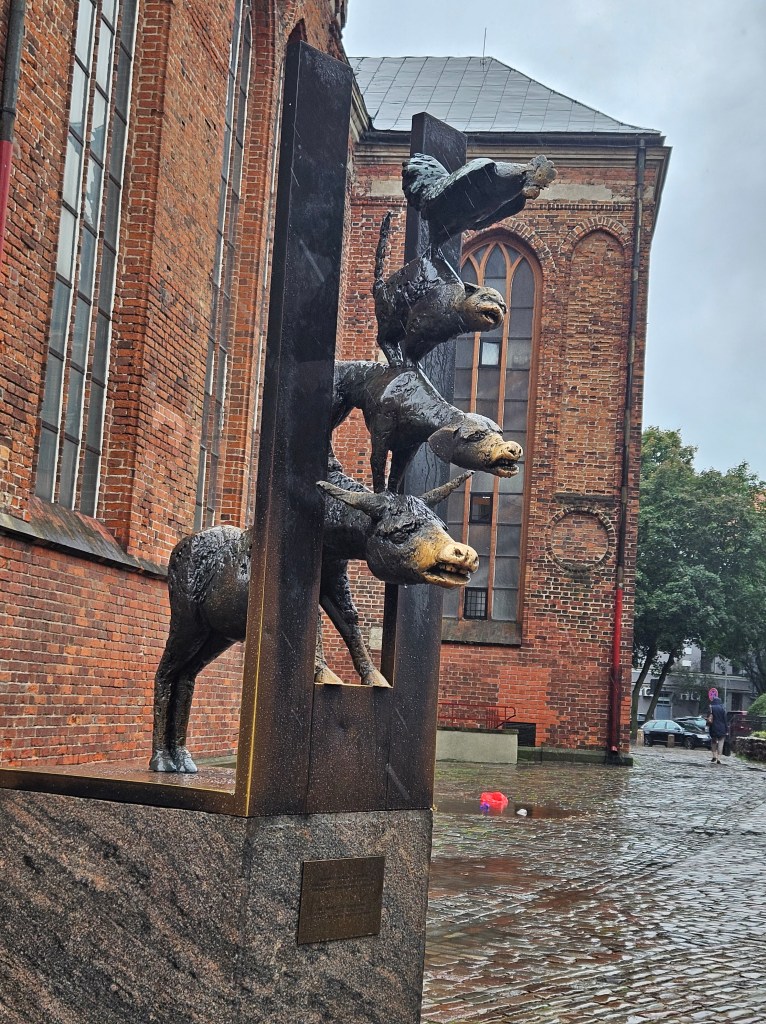
Meanwhile, strolling by the Dome Cathedral, if you suddenly feel peckish, they have a unique menu presentation (aka TheTown Musicians of Bremen)… a strange sculpture based on a Brothers Grimm tale… apparently, rubbing the animals’ noses brings good luck!
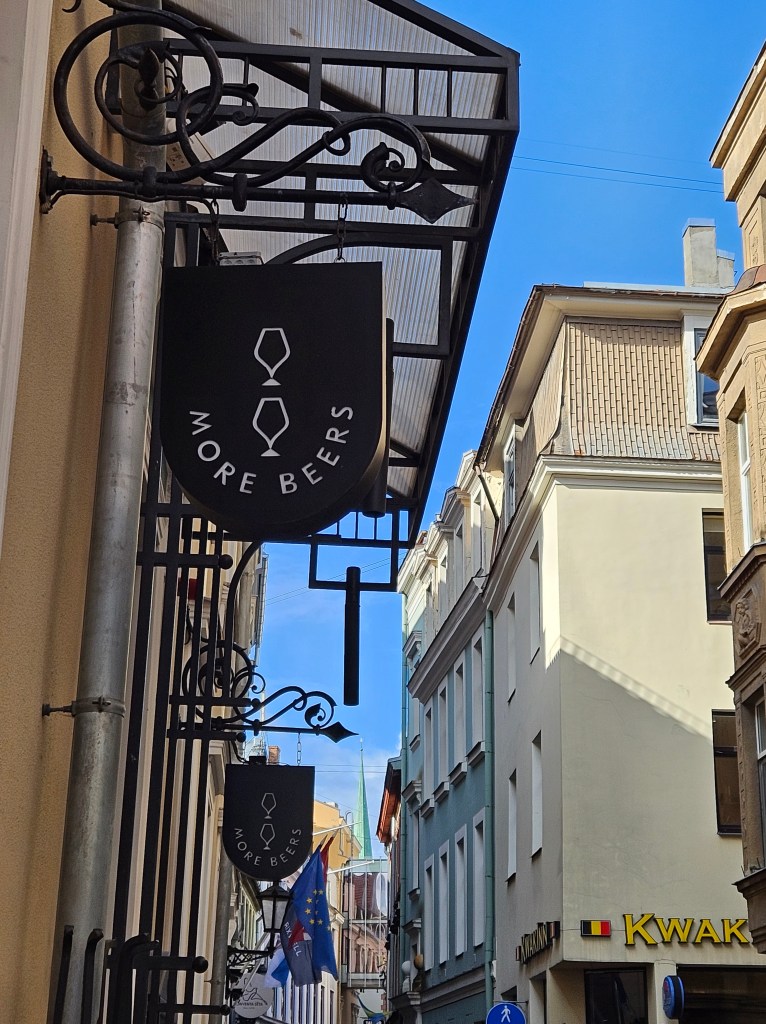
Walking the city can be thirsty work, but no fear, if you need a reminder of essential Latvian culture, they will be happy to offer you a hint…
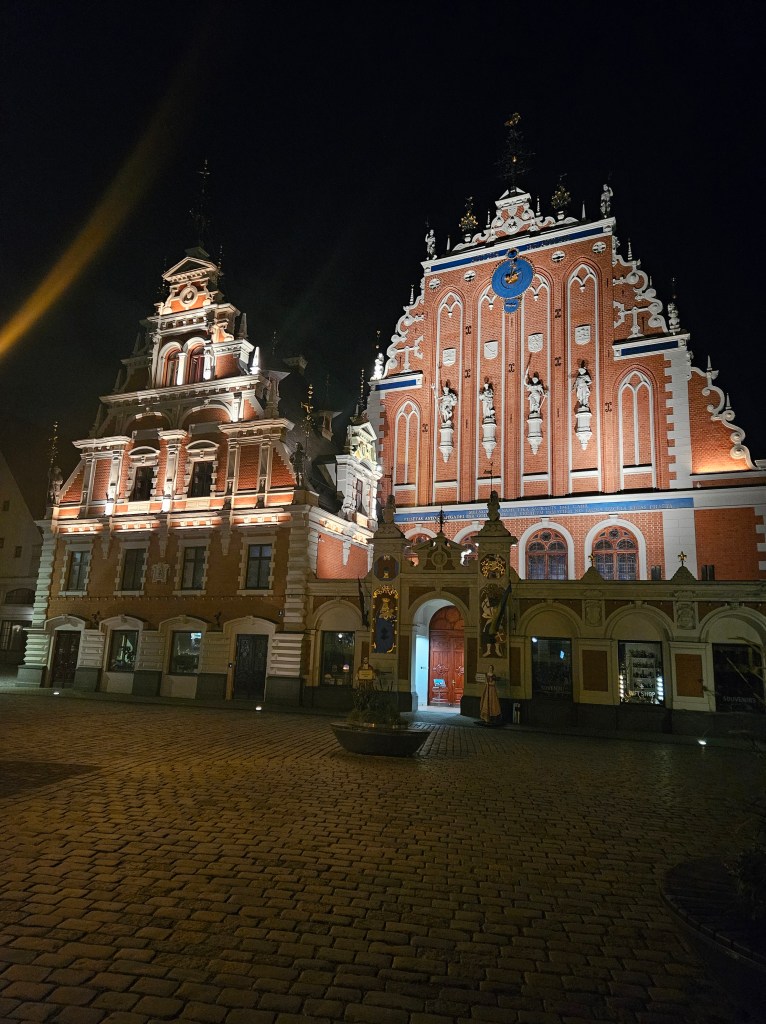
A Houseof Blackheads doesn’t sound like a healthy attraction. But this historic site dates back to the 14th century. However, what you see is the 1990s replica, the original having succumbed to some Nazi/Soviet target practice and demolition games through the 1940s. With several uses across time, it is now mainly a museum, but the basement is apparently an original part of underground Riga (see also a previous post on dining in MedievalRiga).
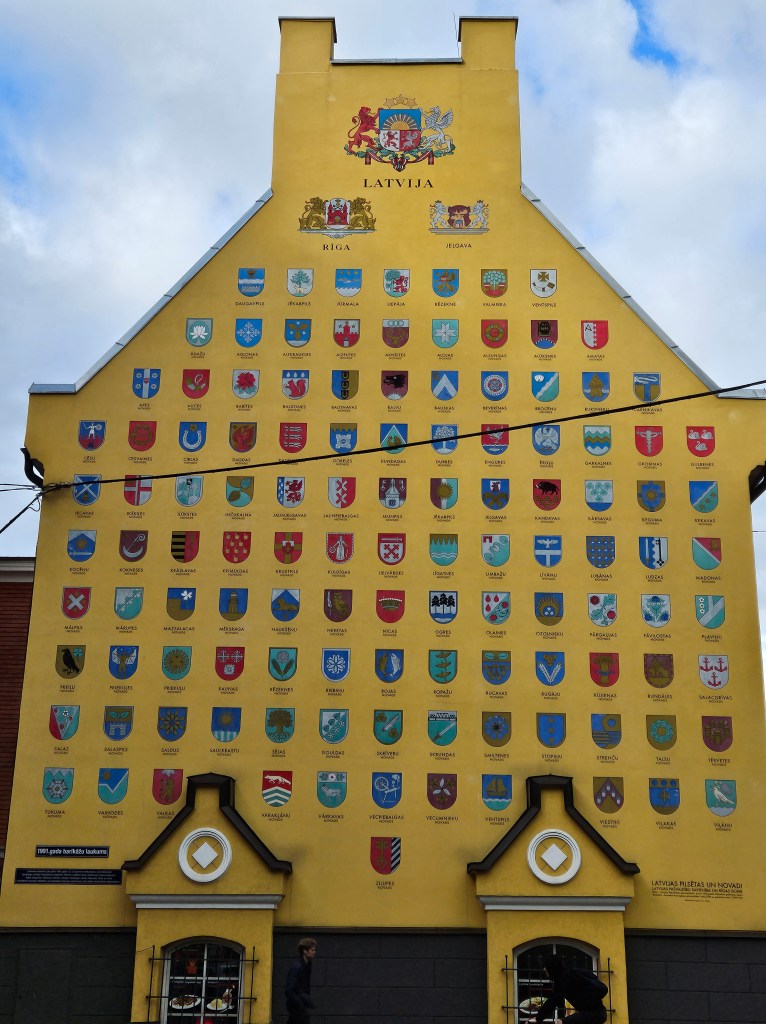
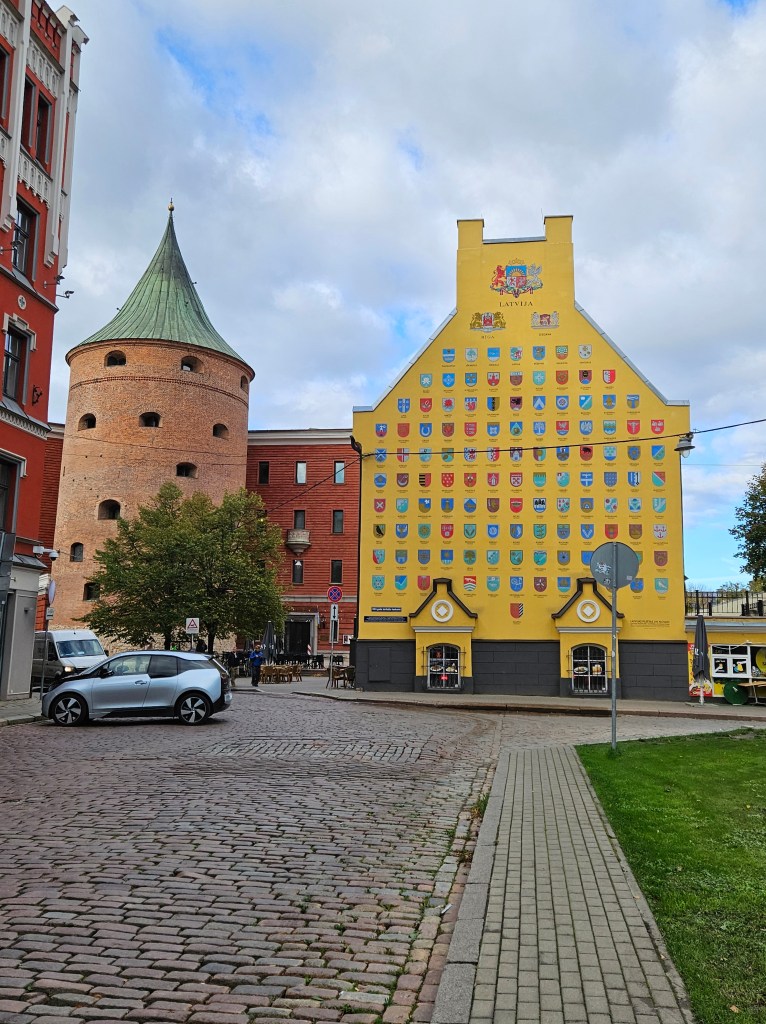
Then again, if you’re into collecting stuff, they’ve already got you covered… well, they’ve got a wall covered, at least. Regional badges from across the country. And to add to any local rivalry, the neighbouring PowderTower provides an explosive mix… a place that the Swedish occupants of bygone years literally blew up through a combination of design & storage ineptitude…
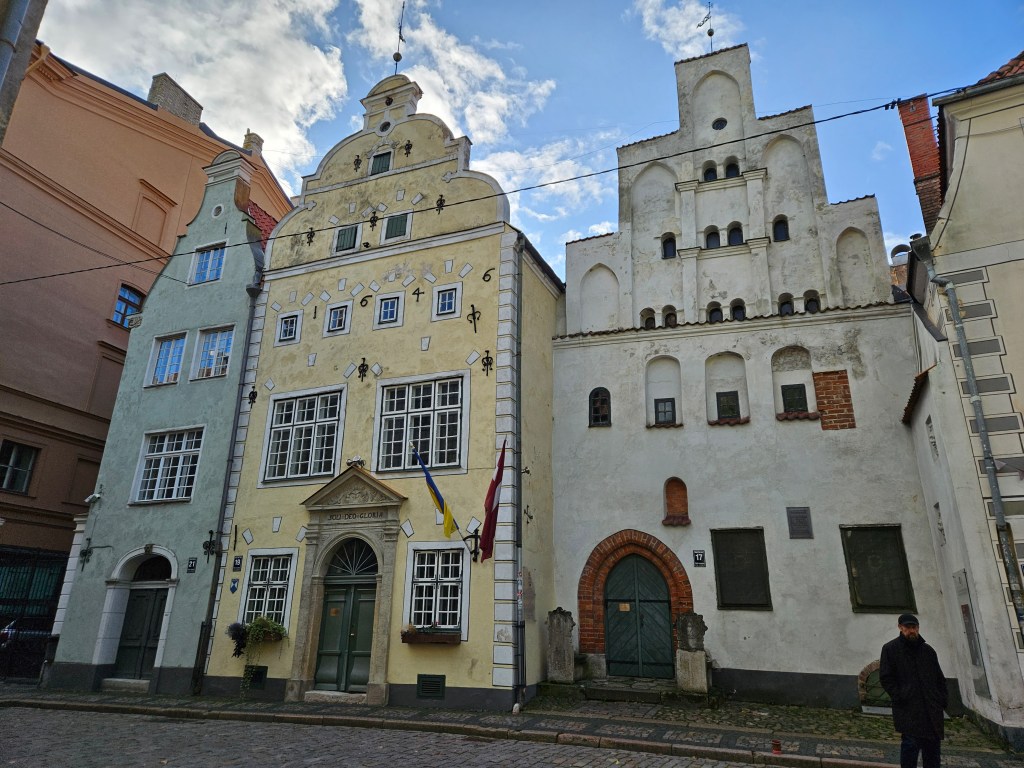
For historic architecture, Riga spans numerous centuries… just ask TheThreeBrothers… well, only if talking to buildings is your thing…….
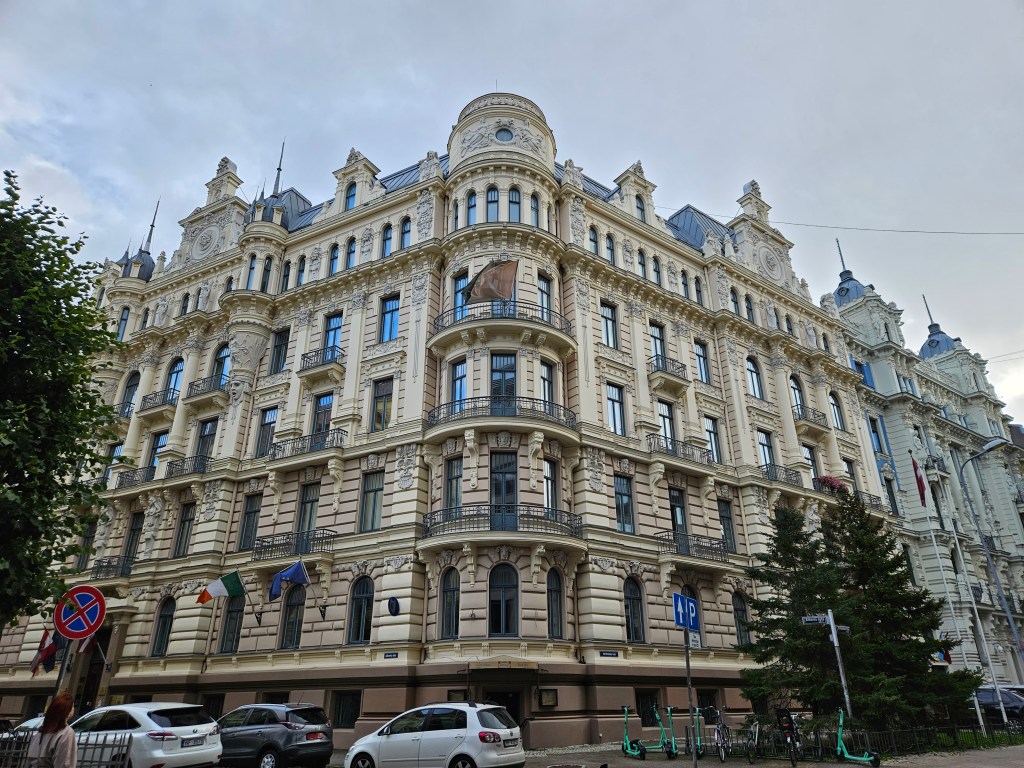
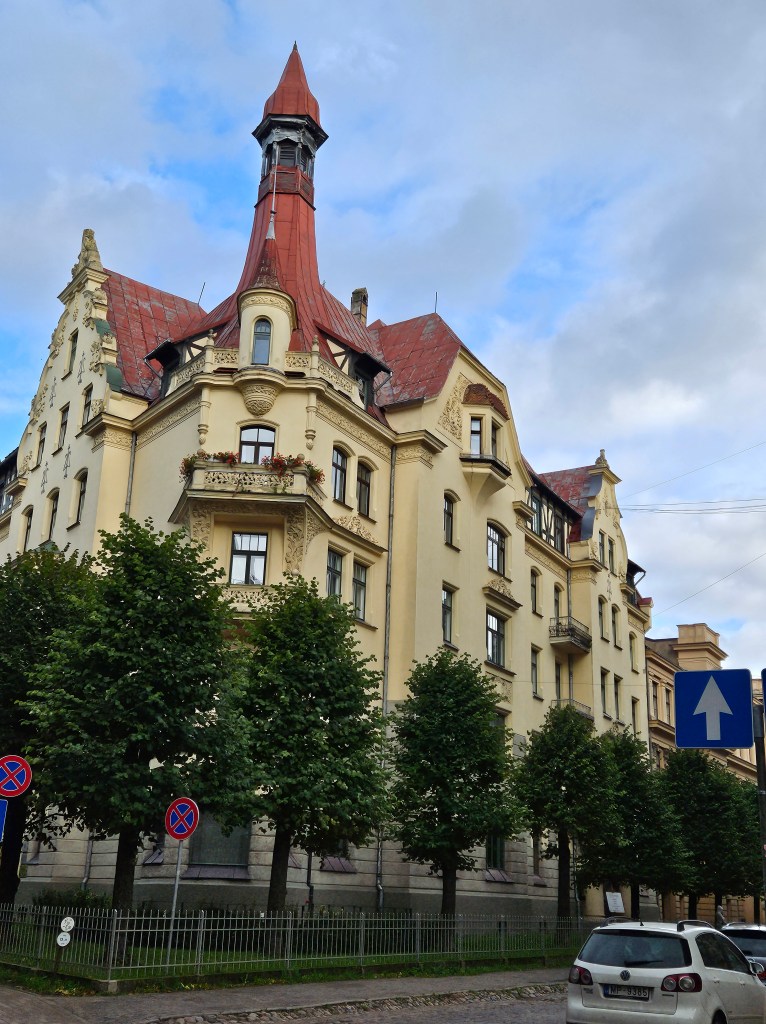
However, if ArtNouveau architecture is your thing, Riga has a delightful district of the stuff…
But, not everywhere is as stunning. No photographs provided, but one of the most boring buildings just happens to house the highly fascinating Museum of theOccupationofLatvia. If you’re of a Russian or Nazi persuasion, lookaway now… for this is a detailed exploration of Latvian courage and determination in the face of occupation and oppression across the majority of the 20th century. It’s an emotional story of human resistance against invaders attempting to completely obliterate Latvian culture and identity.
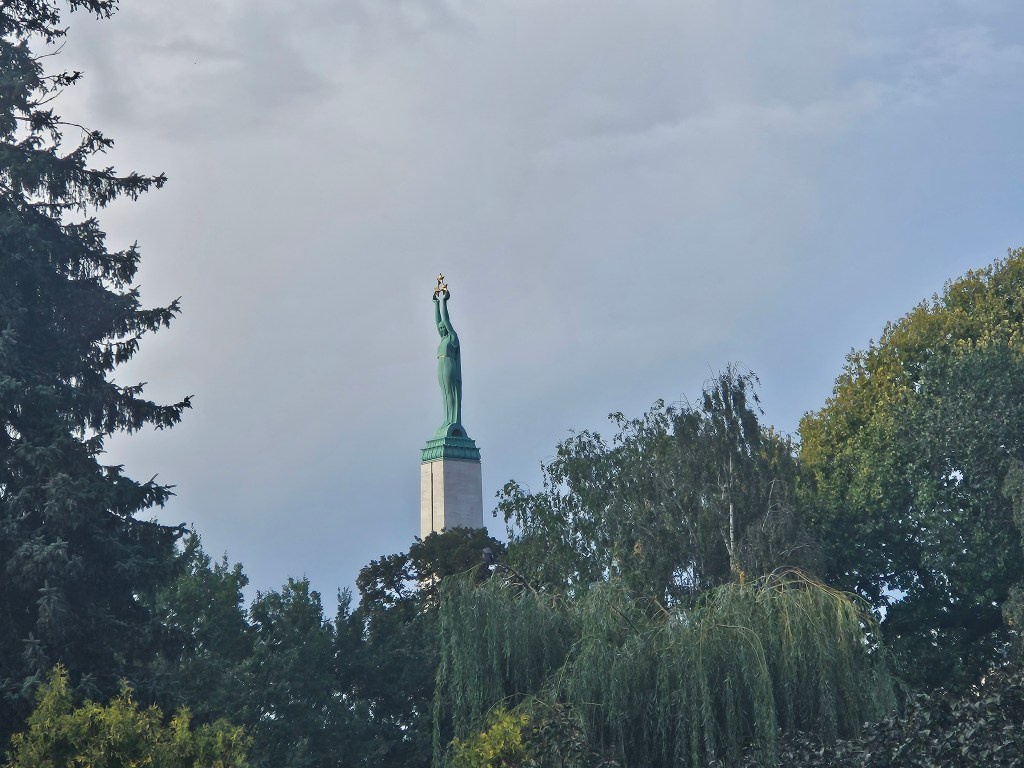
Riga offers an interesting take on this beautyintension, being the home to the FreedomMonument…
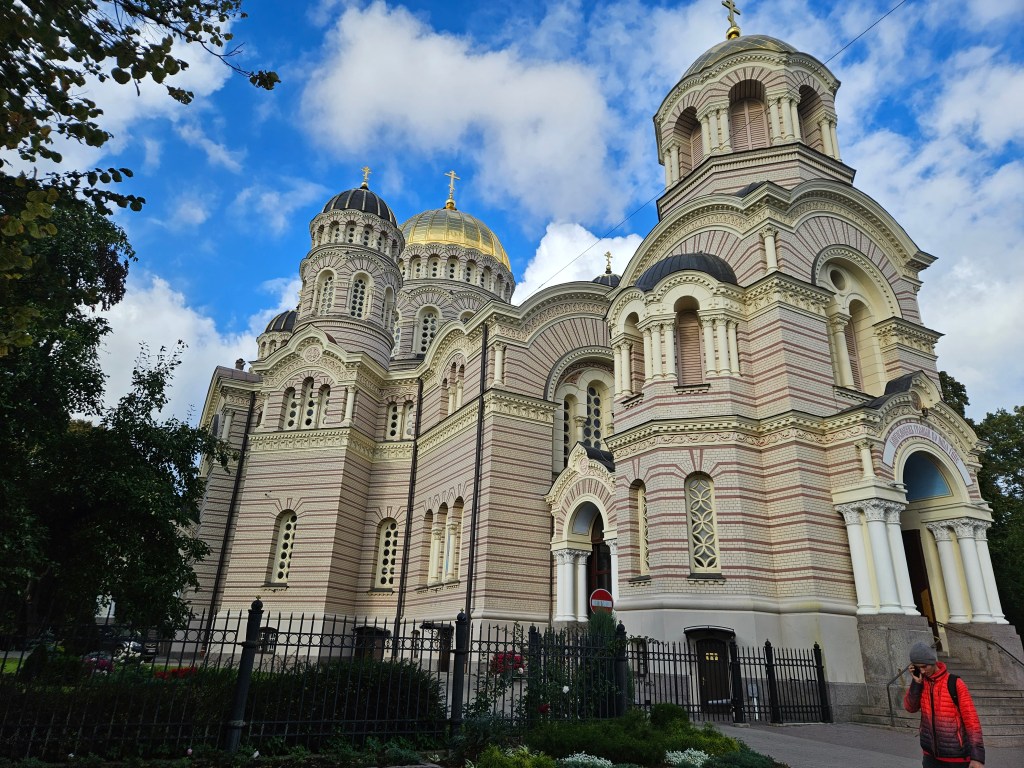
While in close proximity, there is the Russian Orthodox Church… photograph it from the outside, because inside is a clear message to look but don’t snap! Ever wondered where your lost gold ended up?
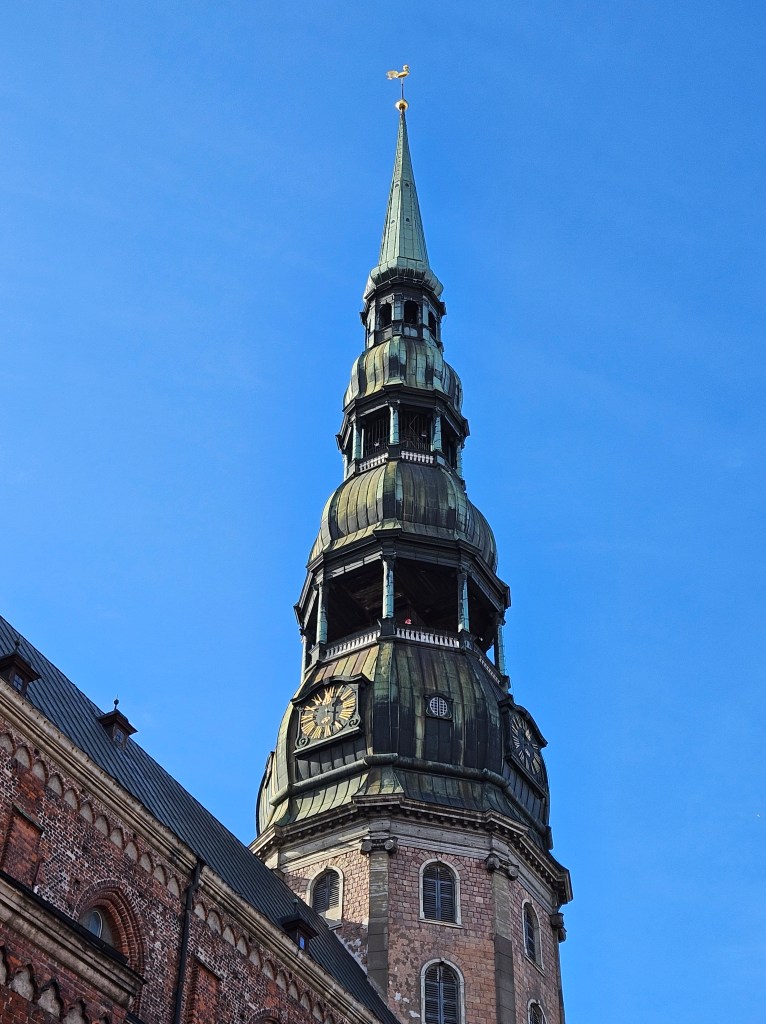
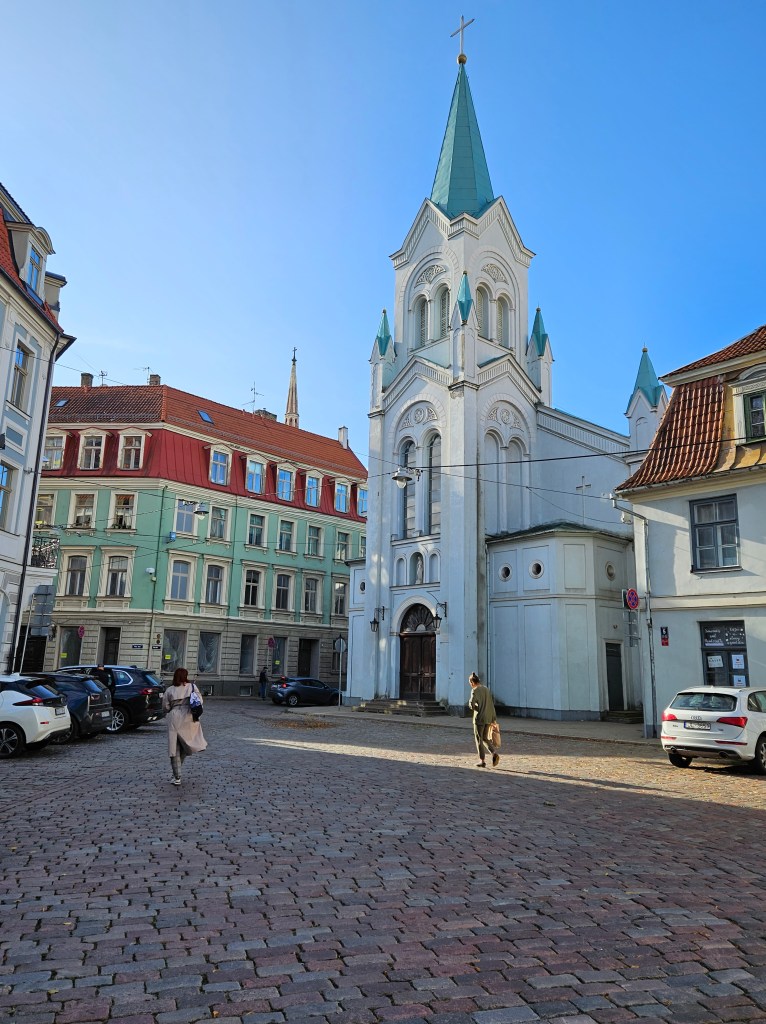
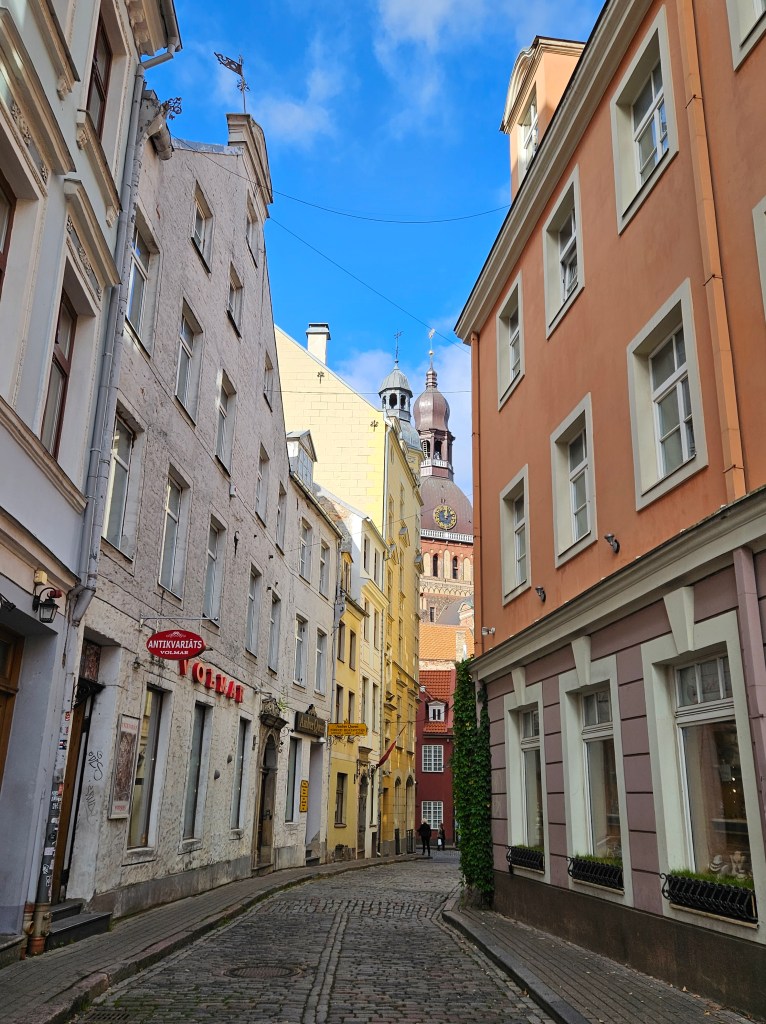
Then again, sometimes it just pays to walk. Turn any corner, tilt your head back, and look up… Riga provides more than its fair share of well-preserved historic beauty…
Until we speak again, Riga also reminds you to spare a thought for the precarious nature of being a cat!
On a recent trip to Riga, I have to admit the write-ups about Latvian cuisine may have been on the up… but still not gripping my taste buds and demanding my undivided attention. Though the local darkbreads are dense but tasty enough to definitely be leaders in their particular league.
So, my very own personal guide to the city stepped in with a vote for Georgia. The name Alaverdi might be giving off an Italian vibe to the casual observer, but look a little closer and give yourself up to that ‘TasteofGeorgia‘ hint at what could be. We’re early, so plenty of choice of tables…
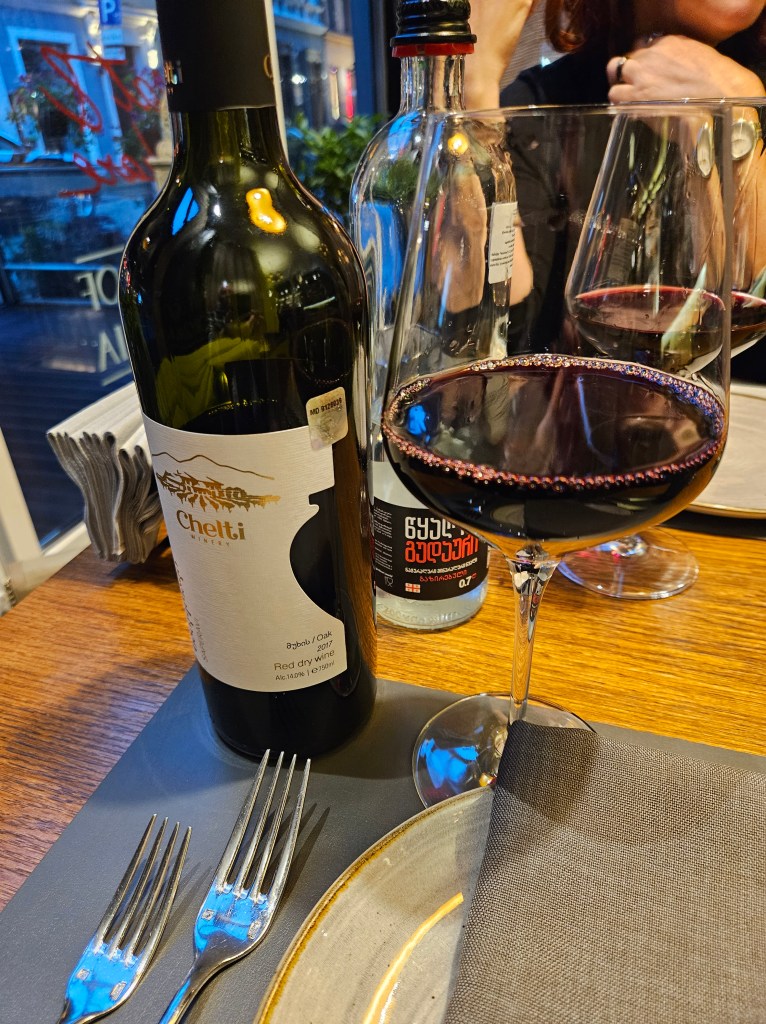
In my limited experience, Georgian red wines are hidden gems overshadowed by the European heavyweights bordering the Mediterranean. A glance at the wine menu here (see in the previous ‘Taste of Georgia’ link) lets you know you’re encountering a country with a serious approach to its falling over water!
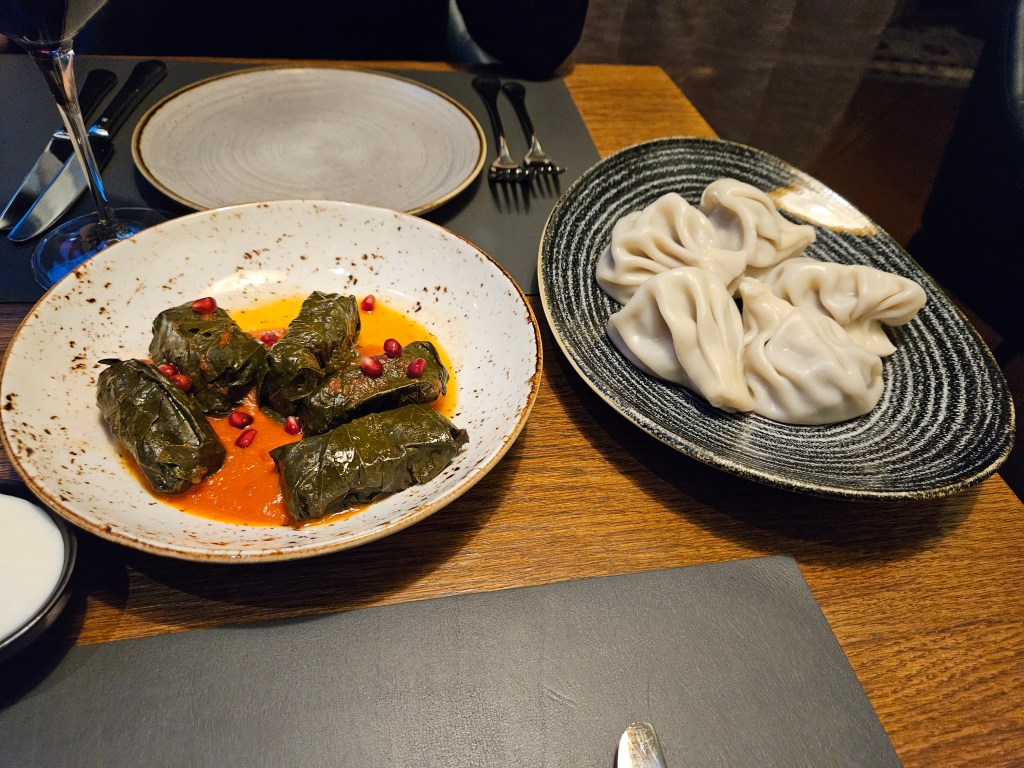
So, where to start when it comes to the food? Khinkhali is the Georgian way of doing dumplings; and when they come filled with veal and lamb who could possibly refuse? The visual and textural presentation may be something you wipe your hands on after a particularly messy encounter with a seafood dish, but don’t be put off by first impressions. However, the Dolma with Duck with rice, greens and spices, supplemented by pomegranate seeds in a light spicy sauce… this was a dish that does wonderfully messy things with your mind, not with your hands! Suffice to say, when Donald met Dolma (that’s Donald Duck, not the orange fart in America version) the world became an altogether better place.
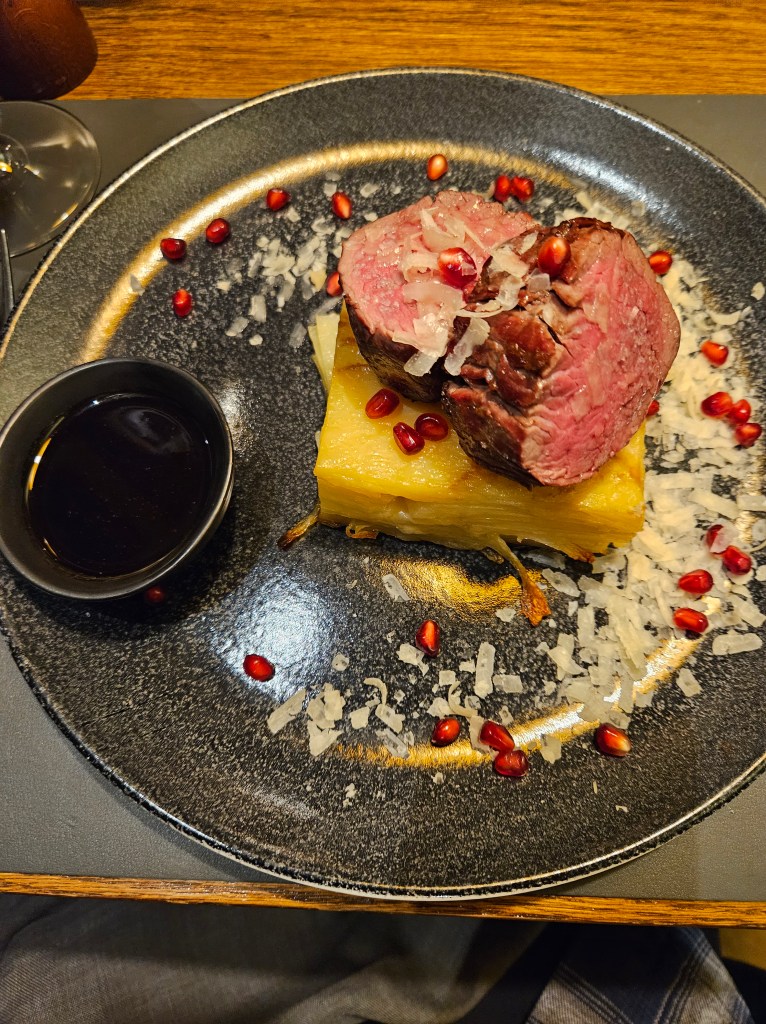
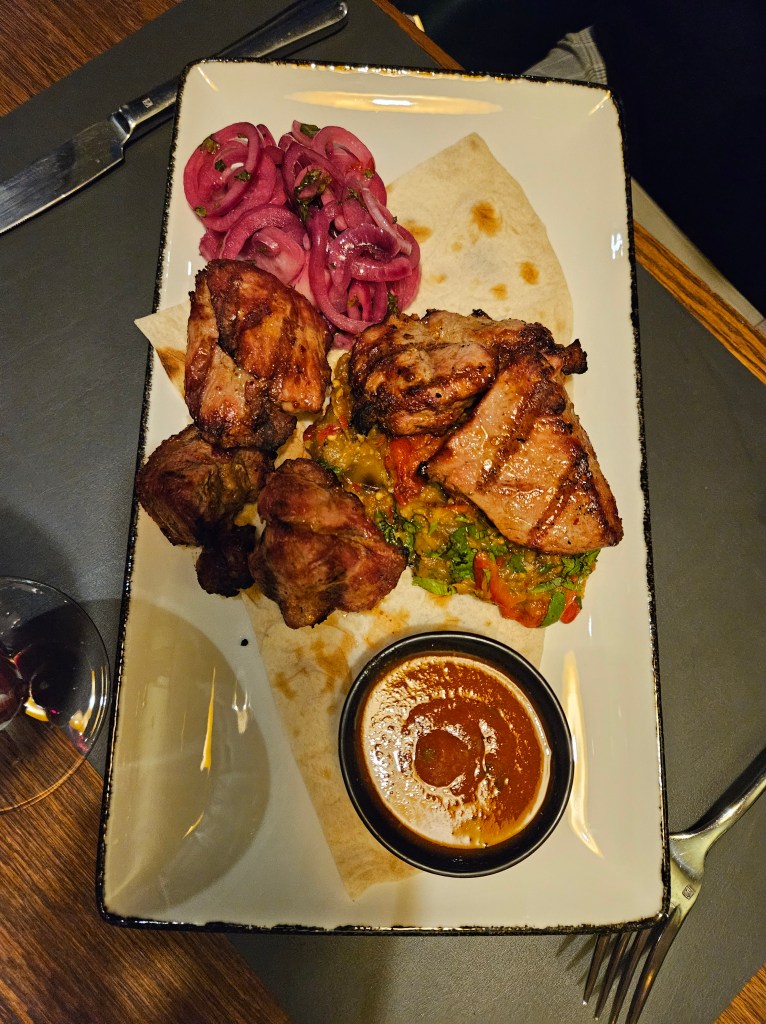
A main event to savour would be a difficult challenge for any chef after that dolma sensation of a starter. But, the idea of Beef Tenderloin Medallions with potato gratin and demi-glace sauce; well, that certainly provided the pomegranate bridge from the first course to the main, with a further wow factor baked in. The Pork Neck Shashlik on lavash with vegetable caviar, red onion and satsebeli sauce gave the whole event further depth and breadth befitting a new country’s cuisine to add to my taste bud travels.
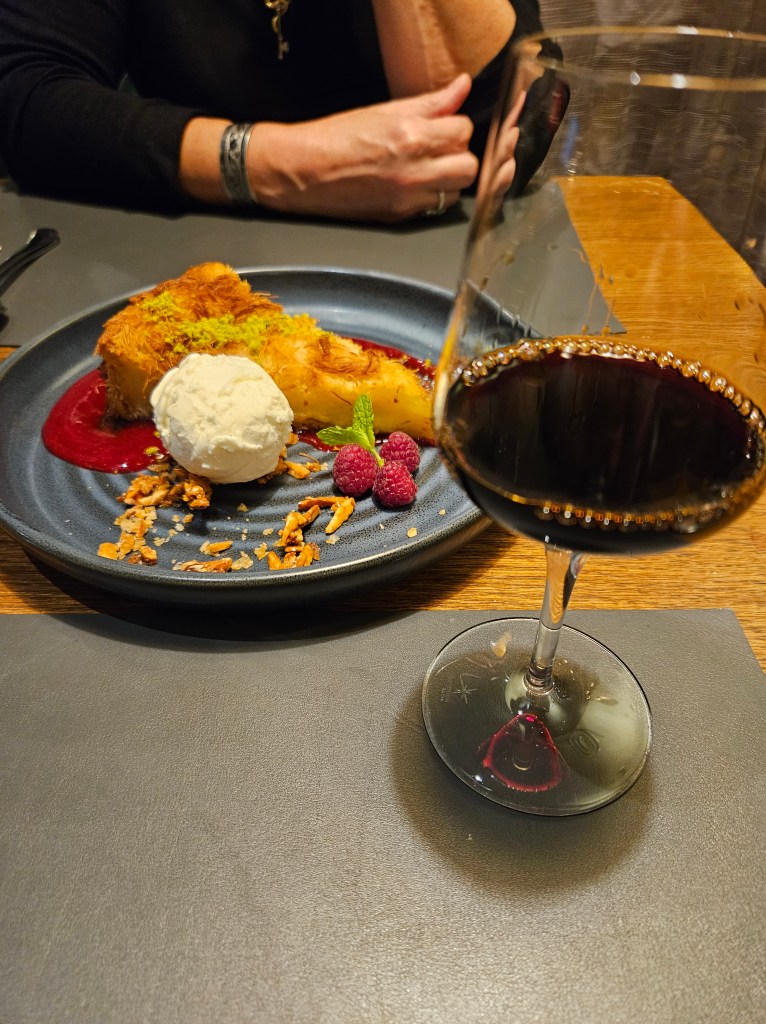
This had already developed into a meal you don’t want to see ending. My trusty guide was in the mood for dessert… a cheesecake with a difference of stewed in red wine cherries, spices and caramelised pistachio with a few raspberries on the side as a nod to healthier times.
Me, I’m not habitually inclined towards the dessert section of any menu, so it was time to add a Riga essential to my local experience… a glass of Riga Black Balsam… not for the faint-hearted. No, that isn’t an extra glass of wine as dessert this time… It’s the national drink of Latvia, more of a 45% proof affair, purely imbibed for medicinal purposes, of course… a herbaceous floral thing, with a liquorice, lime, ginger, mix and no doubt a hefty kick. Like Coca Cola very few people know its exact recipe. Unlike Coca Cola it’s best used for an after meal digestif, rather than a toilet bowl cleaner!
Until we speak again, Georgia is definitely still on my mind. With this taste of some of what the country has to offer, it might well be under my feet sometime soon!
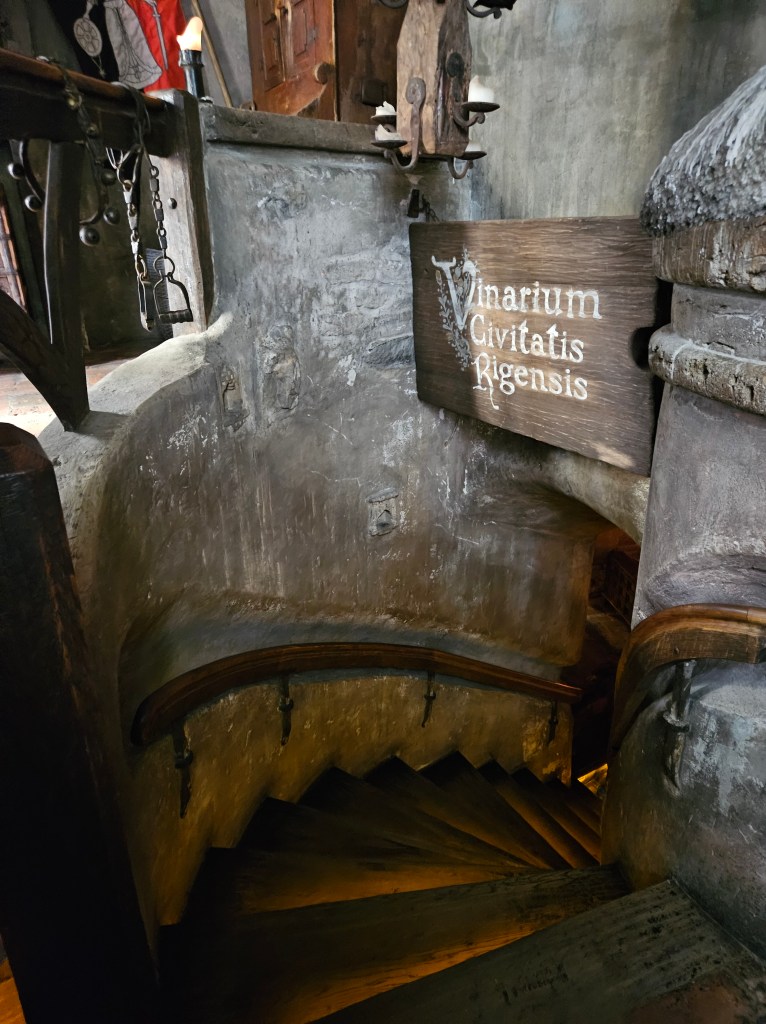
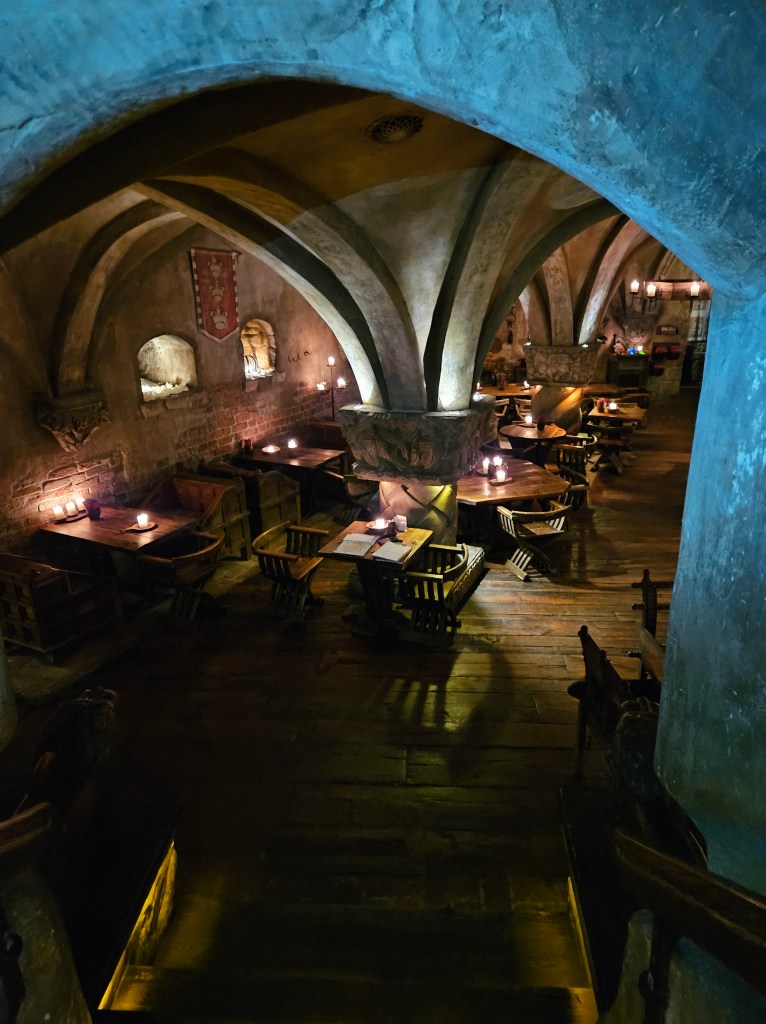
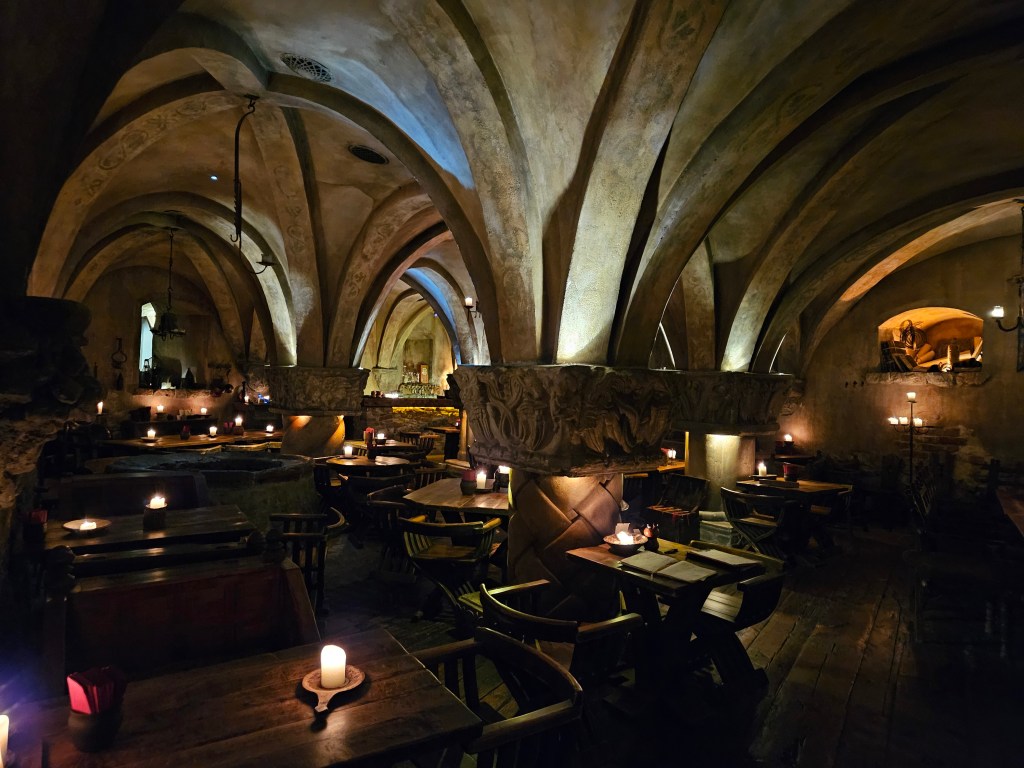
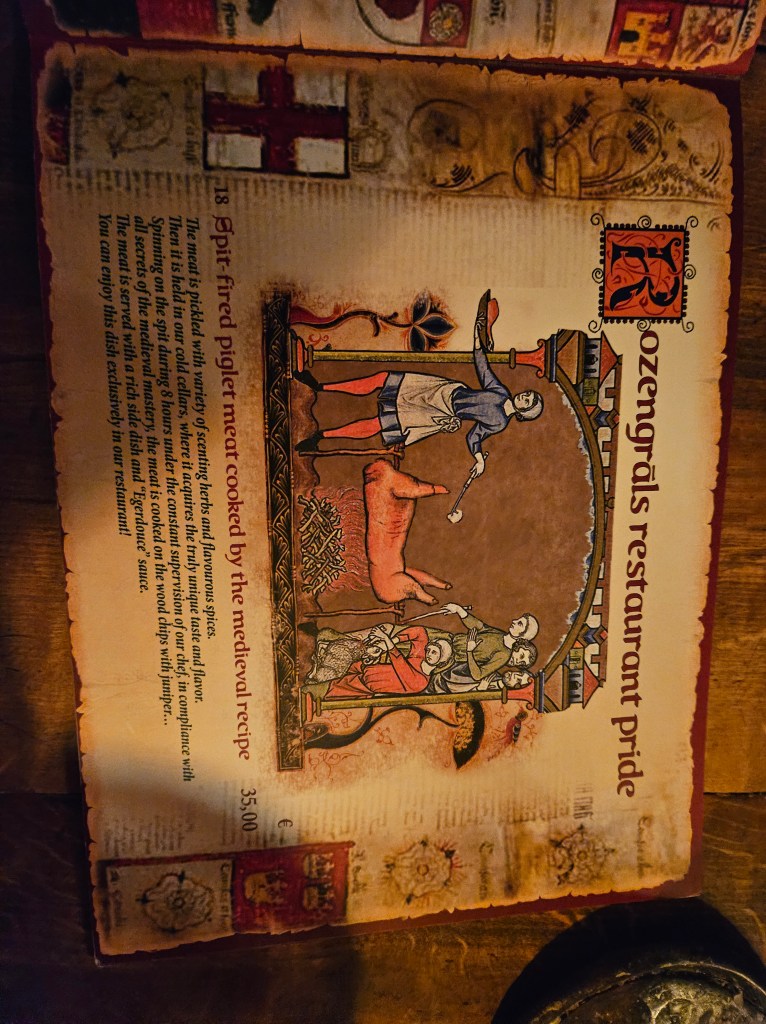
A restaurant 822 years in the making just has to be a special event. Step up Rozengrals (The Rose Grail), in a building circa 1201, but can it produce a meal fit for a very discerning Russianprincess?
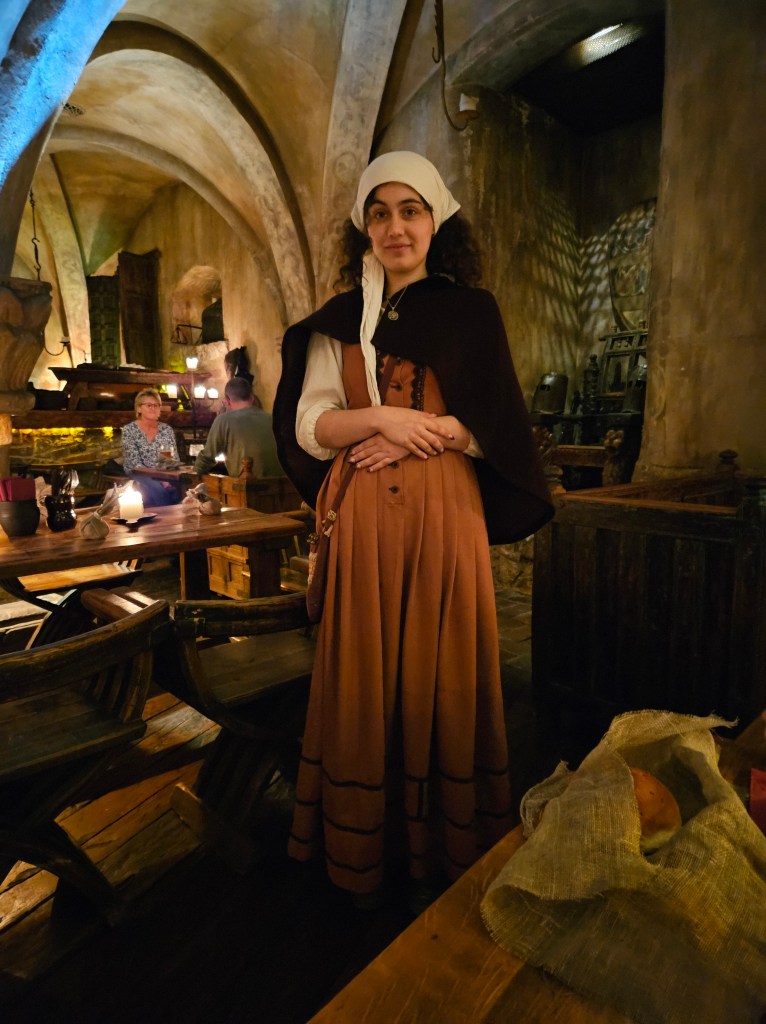
Authenticity counts for something when claiming such heritage. So, traditional dress helps to put the welcome into context.
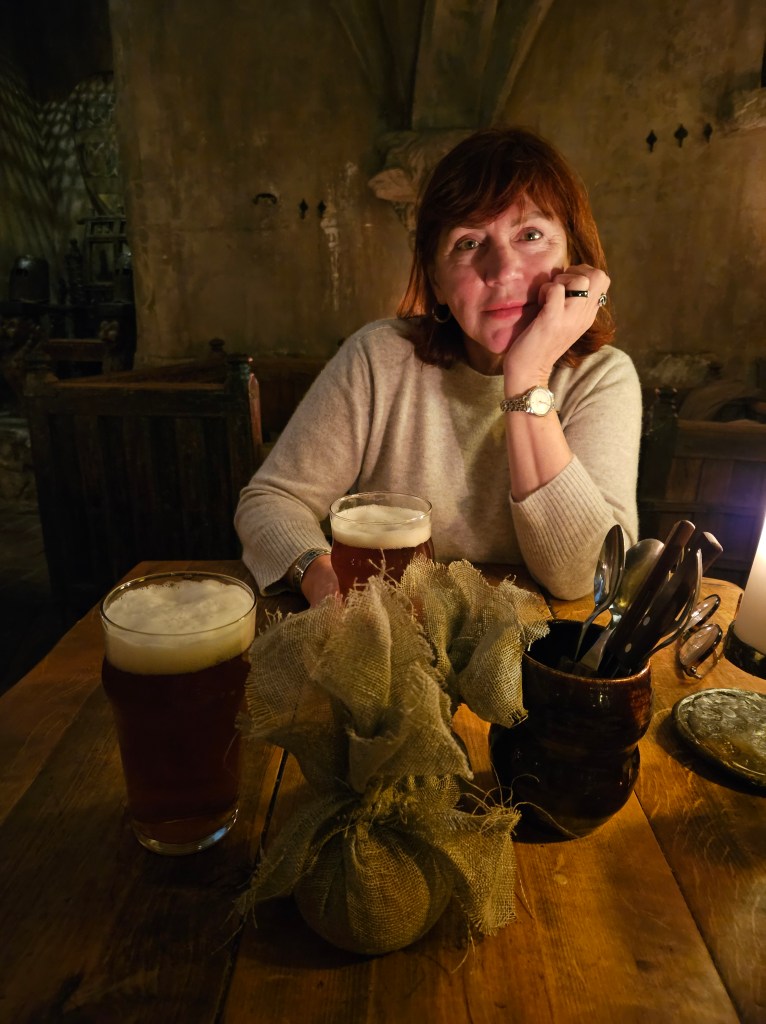
The wine list is fortunately quite spare and unappealing. This is just as well because this setting seems to call out for a honeybeer… even for a princess, it seems! By the way, the cloth comes as a vessel for presenting mini bread roles… as is the custom in times gone by, no doubt. Fortunately, the eating irons are already present in a pot, or else I was going to start flexing my fingers.
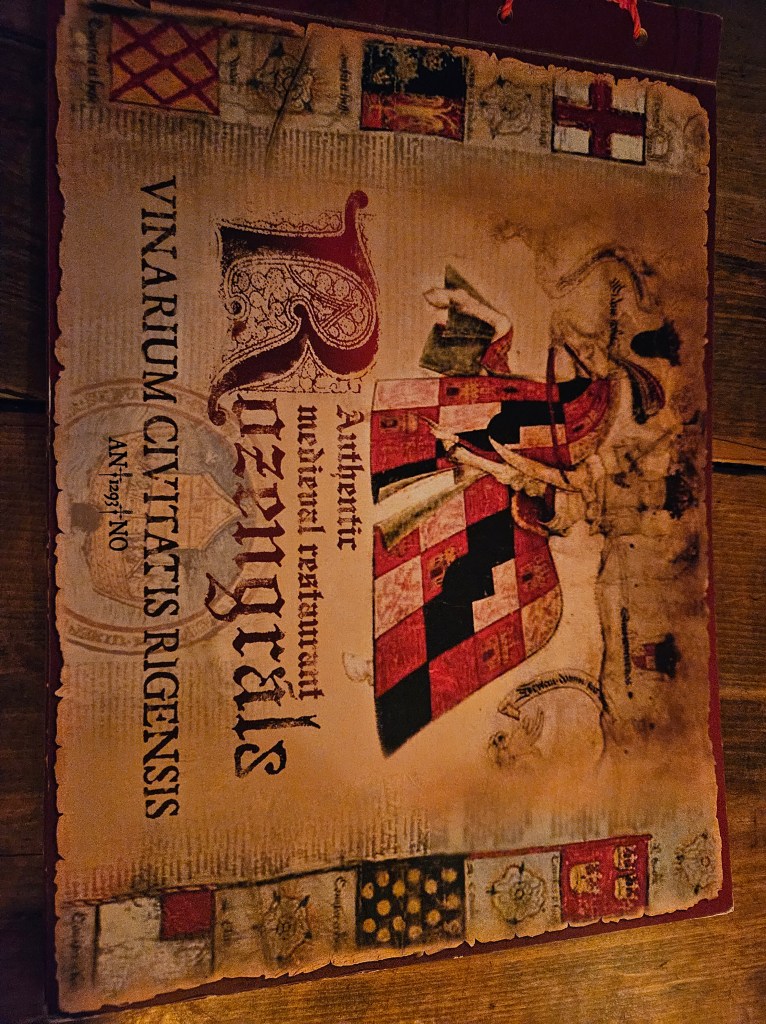
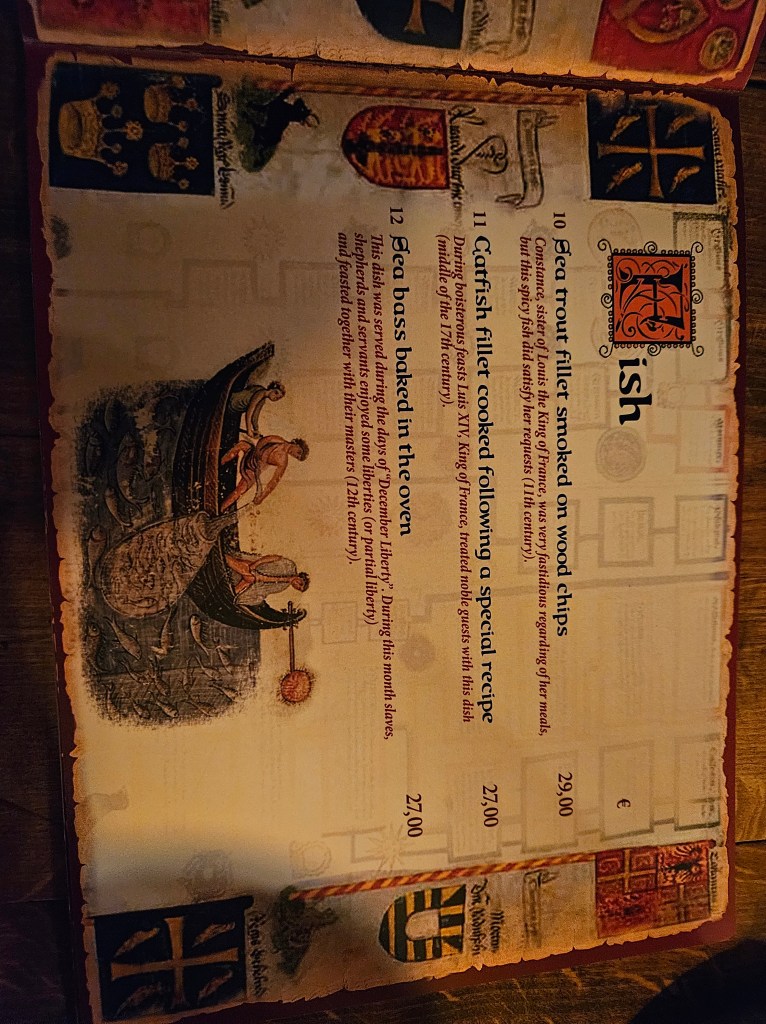
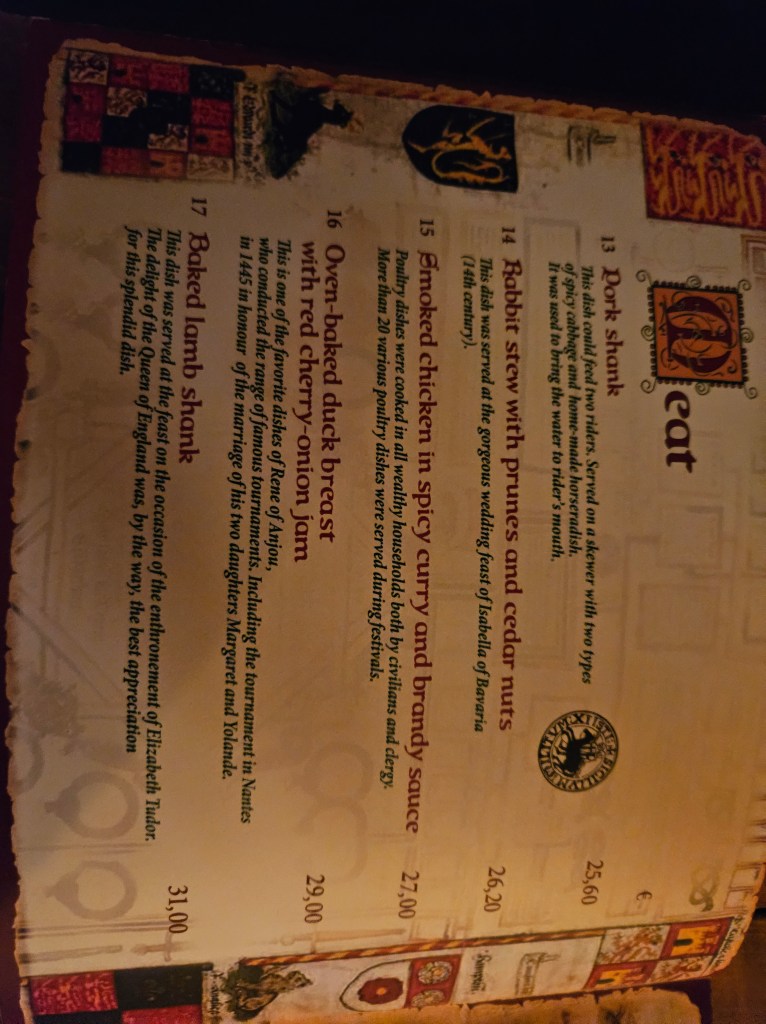
The menu is rather simply stated… more focused on describing historical stories than culinary information. As if we’re not concerned with what we’re eating as long as it was enjoyed by some noble gent a few hundred years ago! However, it’s suitably presented in a format that implies you’re partaking of a little bit of history.
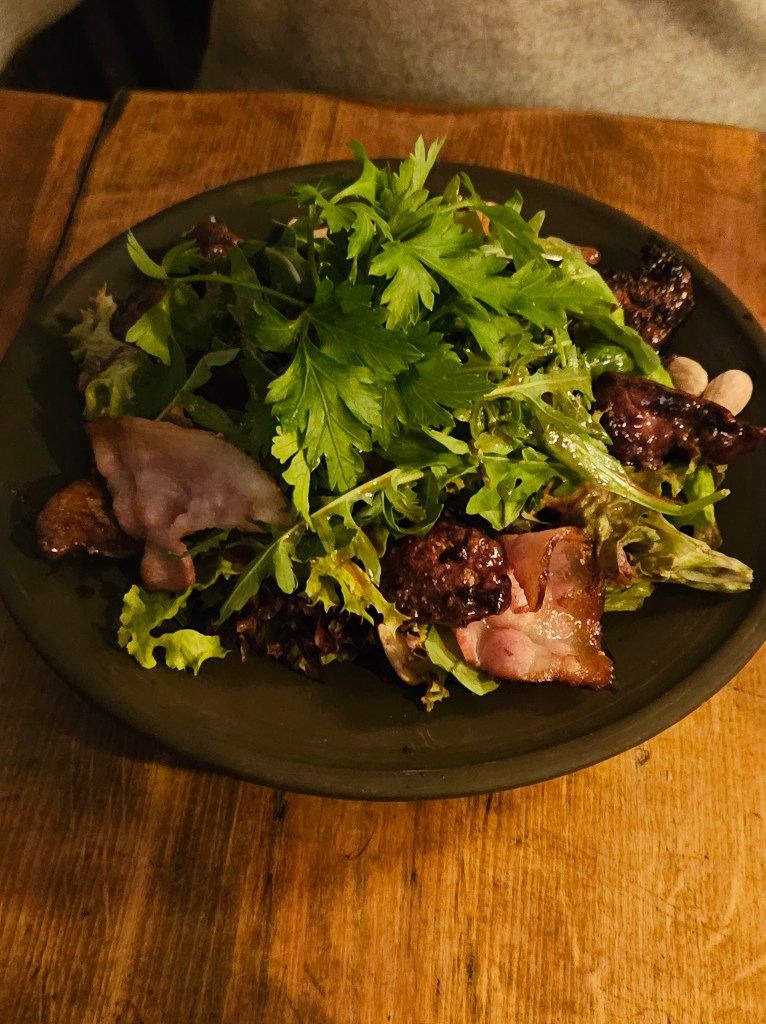
Salad starters don’t ring true in my recollection of medieval banquets, but I don’t fancy leaving here having to be winched back up the stairs. The honeybakedbeetandgoatcheesesalad was a delicate balance of tart and sweet flavours that tempted more quaffing of the beer. The poultryliverwithbaconandalmondsalad hinted more of times gone by… further back than yesterday, that is…
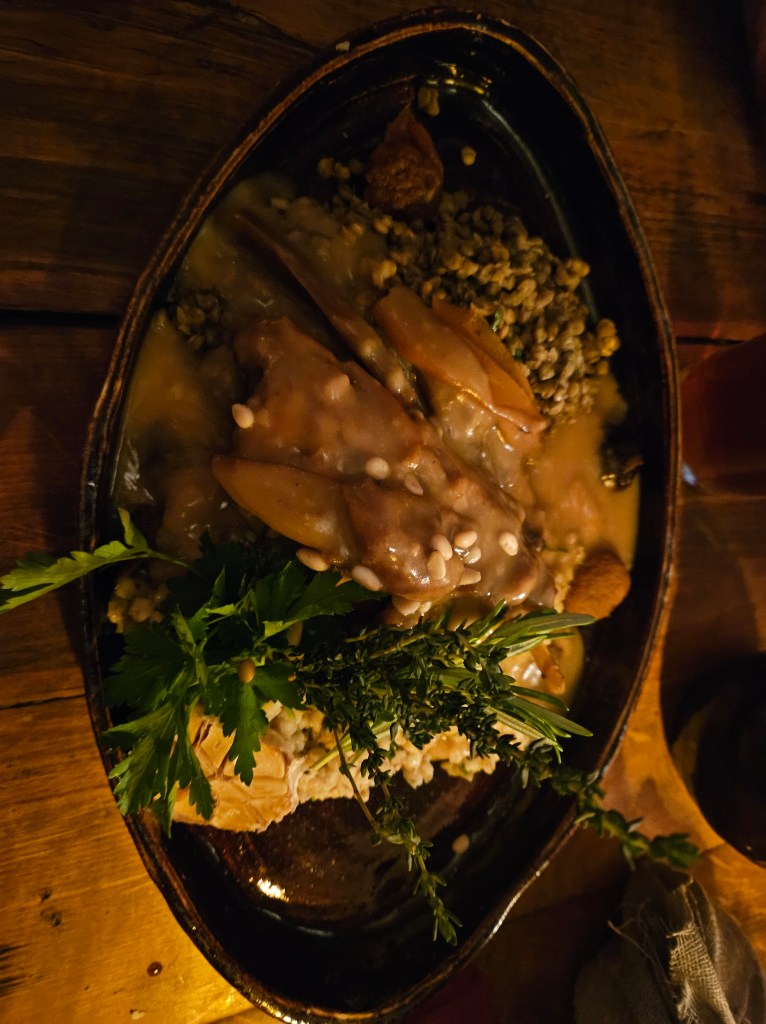
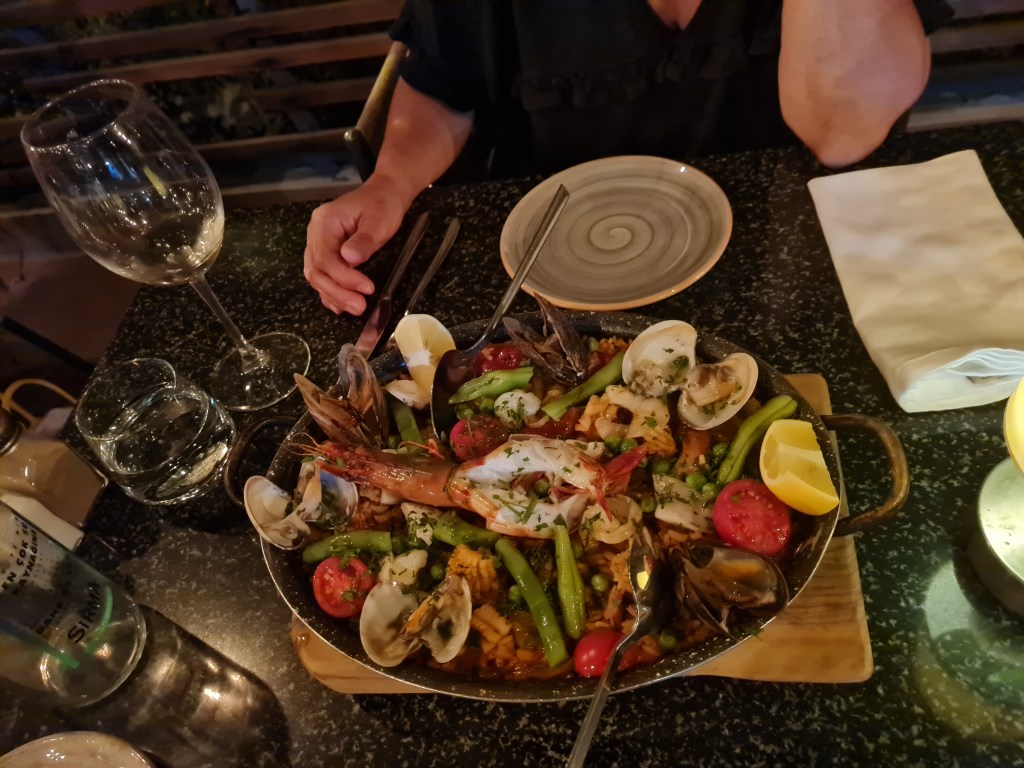
It’s quite possible that the cost of food here includes a candle tax, as there is no discernable electricity generated light. This creates a great atmosphere, and fear not, it’s not so you can’t see what you’re eating so well! Our choice of main dishes spread our interests across surf and turf. Ovenbakedseabass and a rabbitstewwithprunes and cedarnuts.
I can certainly vouch for the bunny having lived a satisfied and fulfilling life by the greater quantity of meat falling off bone than my previous pursuit of these animals/pets/cartoon favourites. As for the fish, it was ably dissected and devoured by my partner in these historic crime recreations we happened to be enjoying.
Until we speak again, a candlelit washroom visit brought back other historic nightmares… particularly of power blackouts as a kid in the 1970s.
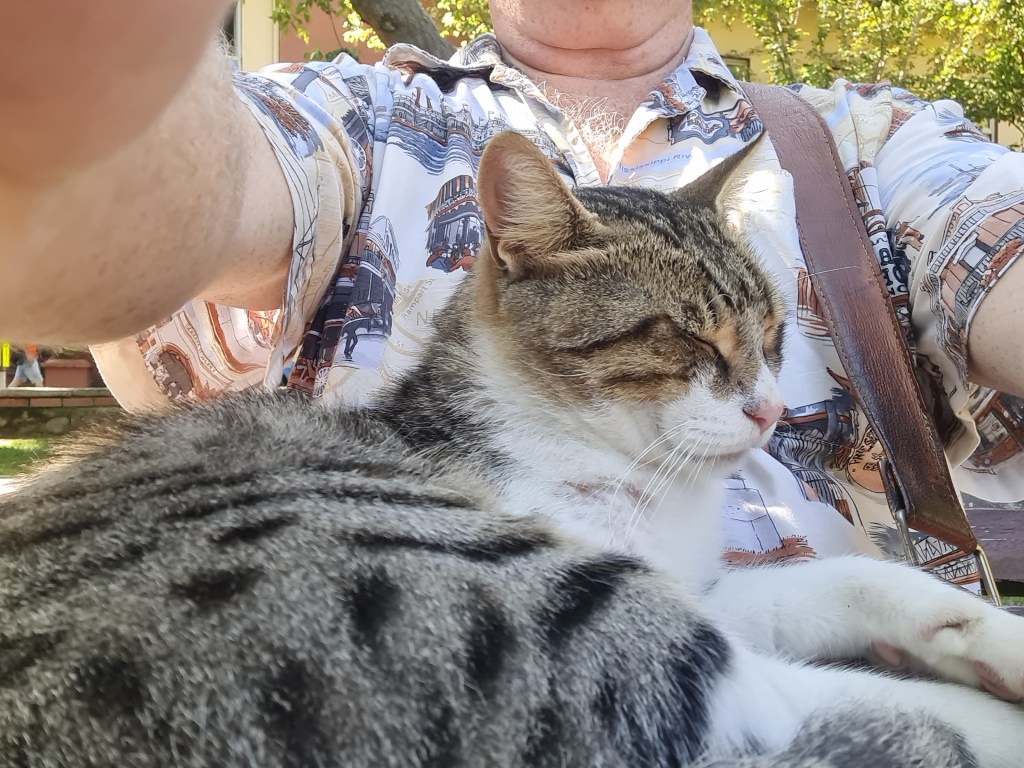
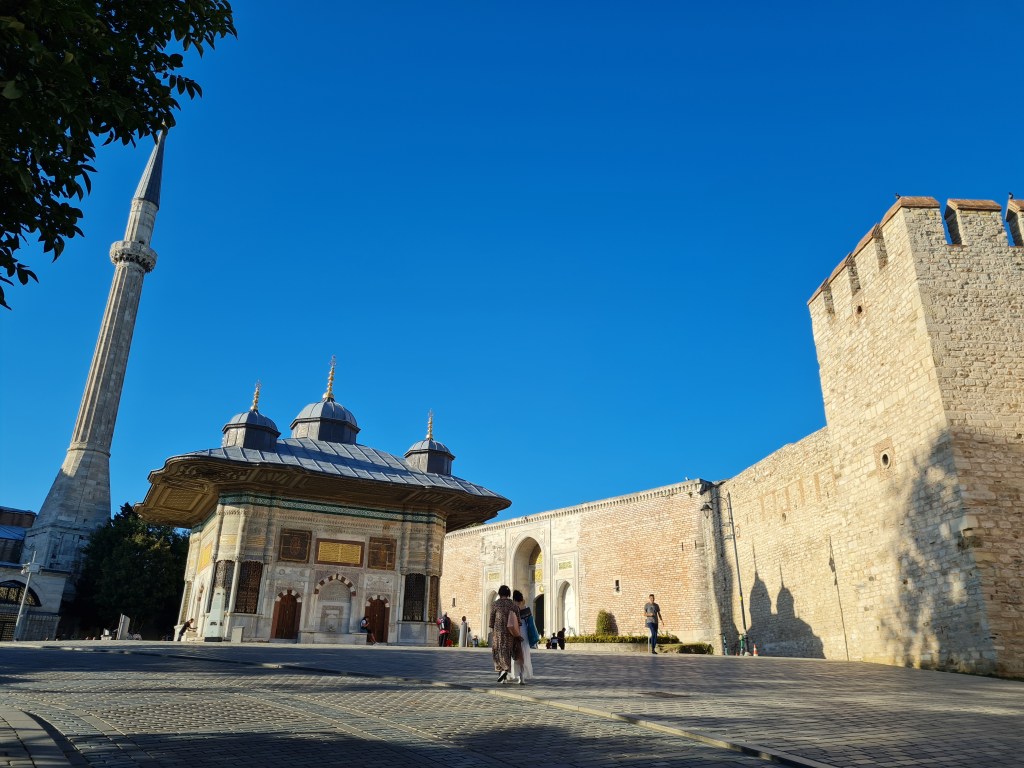
Lost for something to do just as summer gets on the departing train and clears the platform in time for the arrival of autumn? Perhaps you find yourself in search of something to slow down that fast disappearing summertime feeling? Turkey ticks all the boxes. A random park bench even comes with its own cats, ready to make you into their comfy chair of choice! Juno’sView just came a bit more inscrutable…
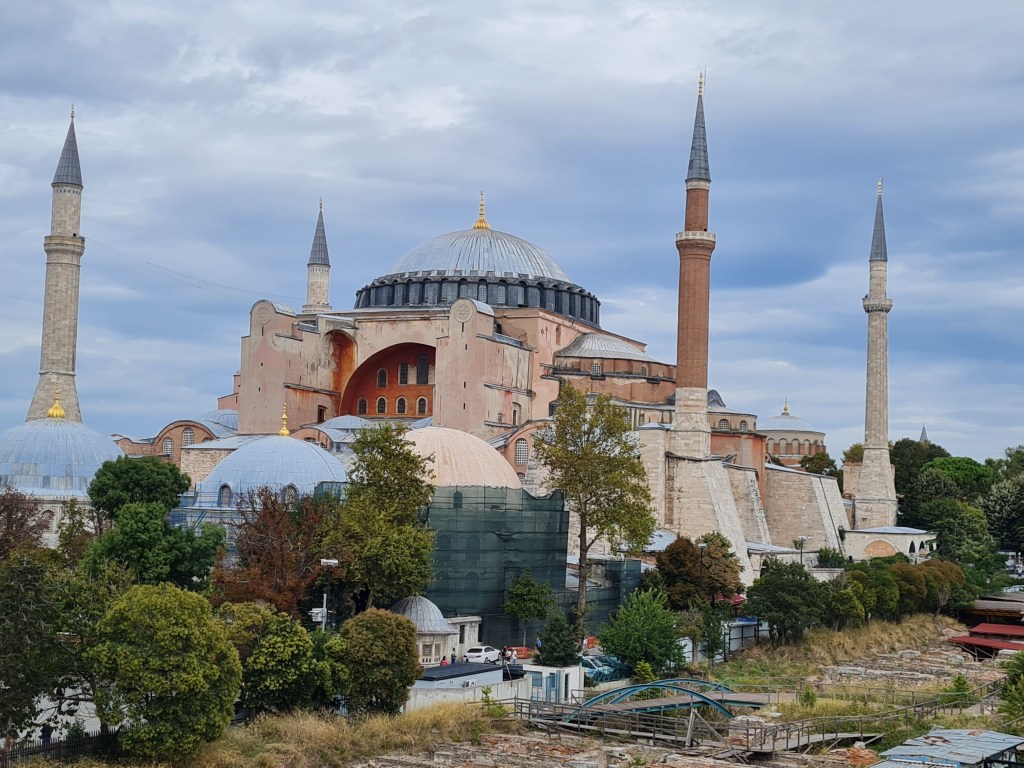
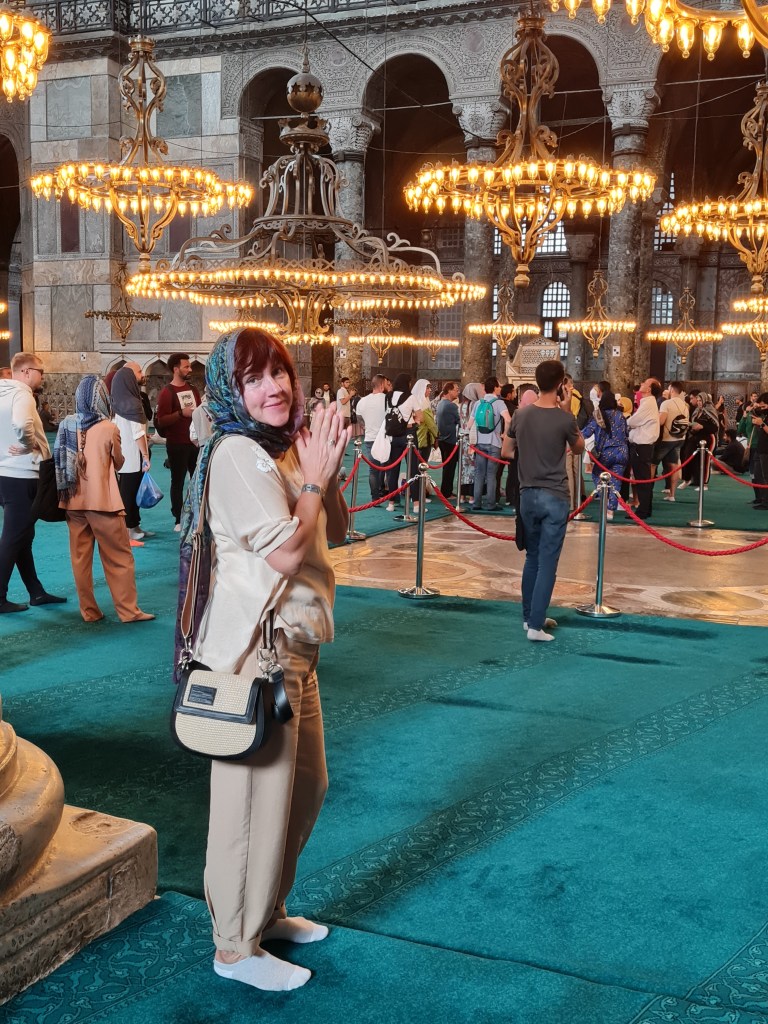
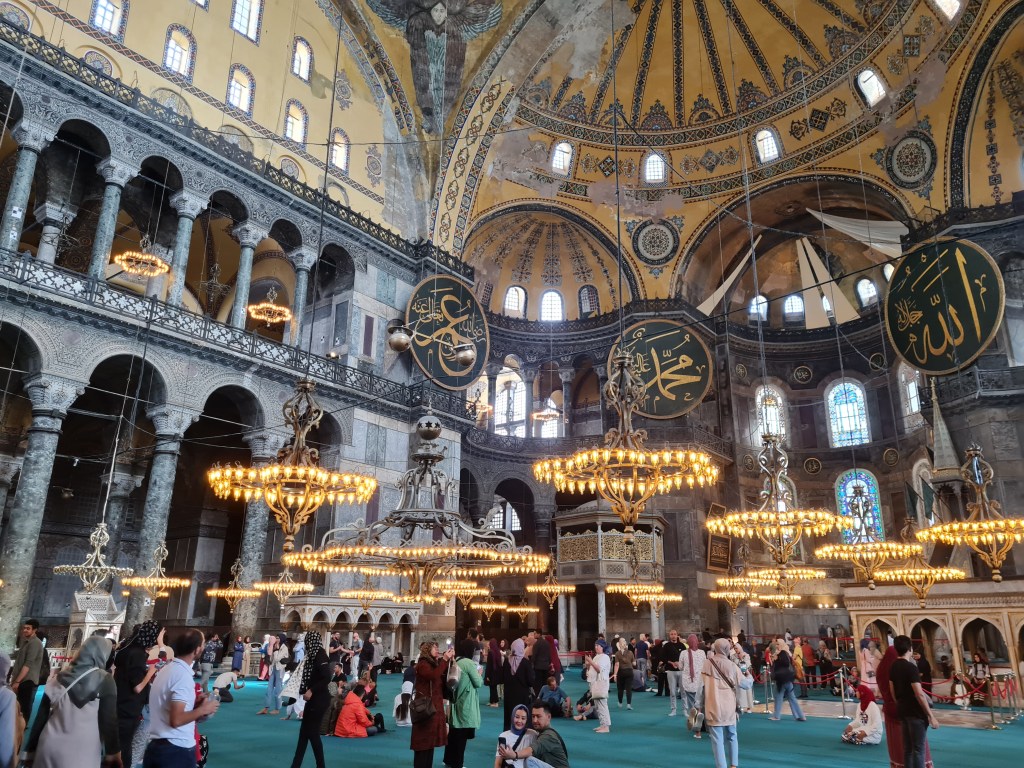
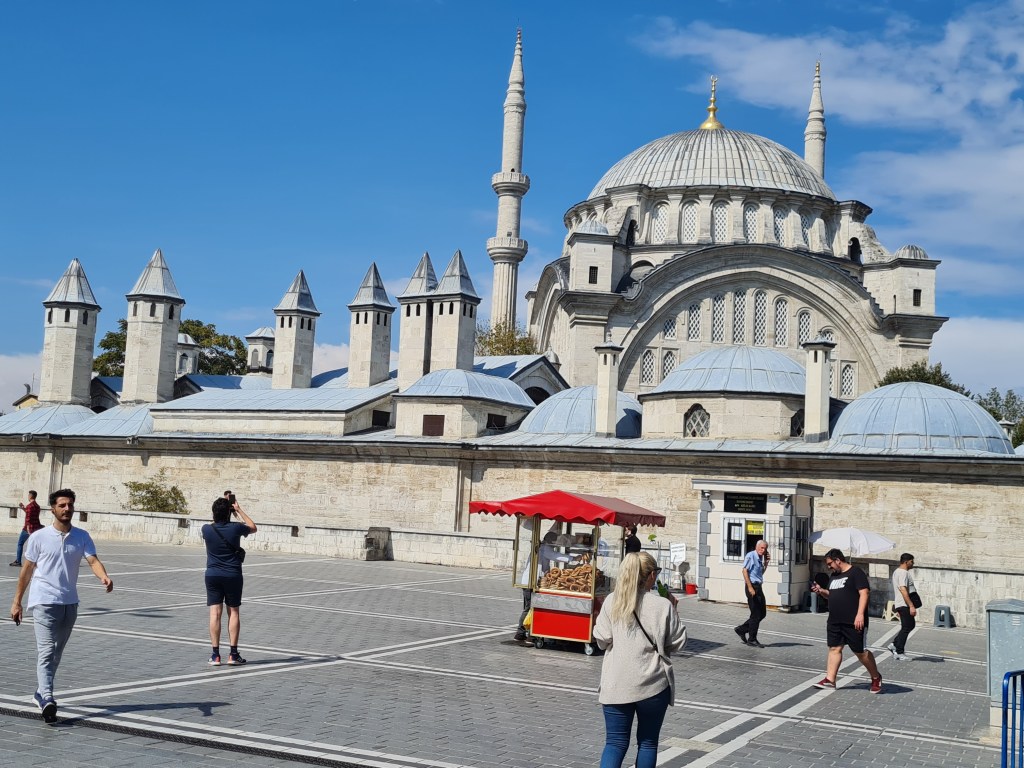
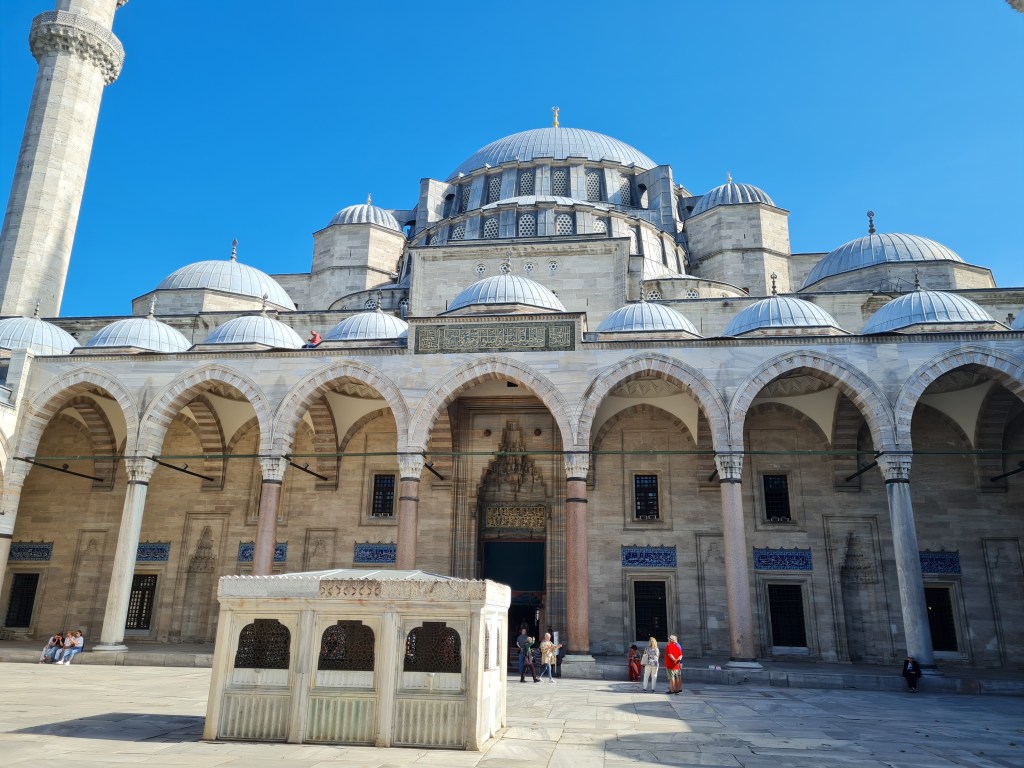
Religious intrigue is a key ingredient to the whole Turkish experience… even fervent aethieists may gaze in wonder on the Hagia Sophia, Blue Mosque, or Suleymaniye Mosque. The architecture alone embodies enough spiritual wonder…
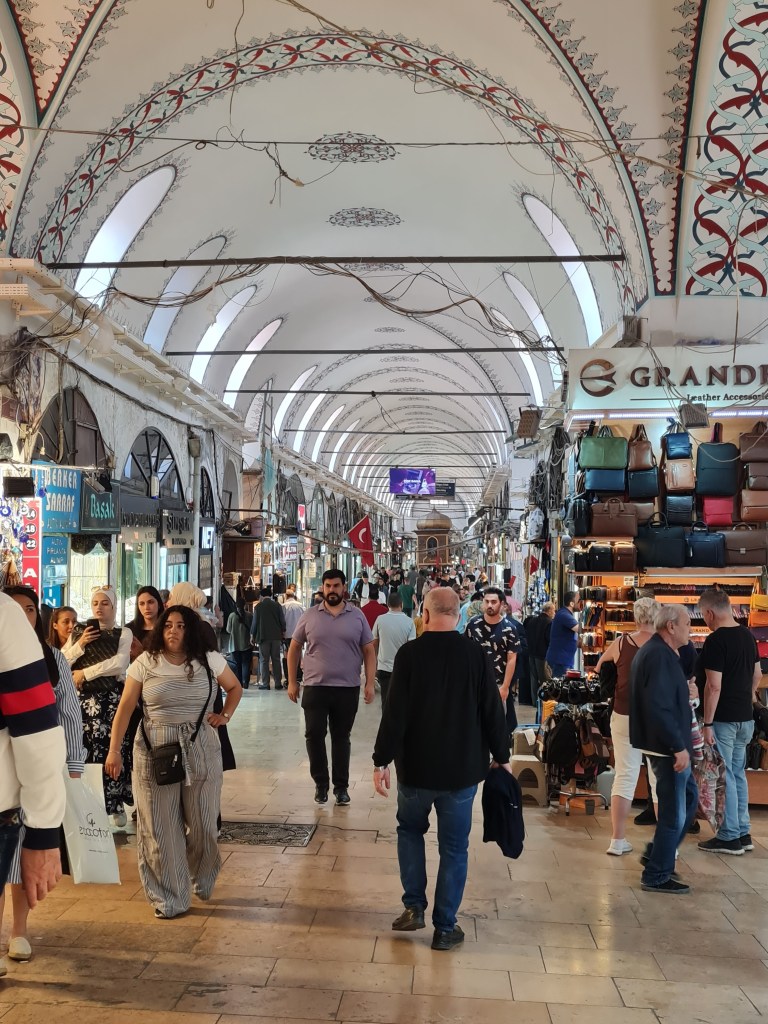
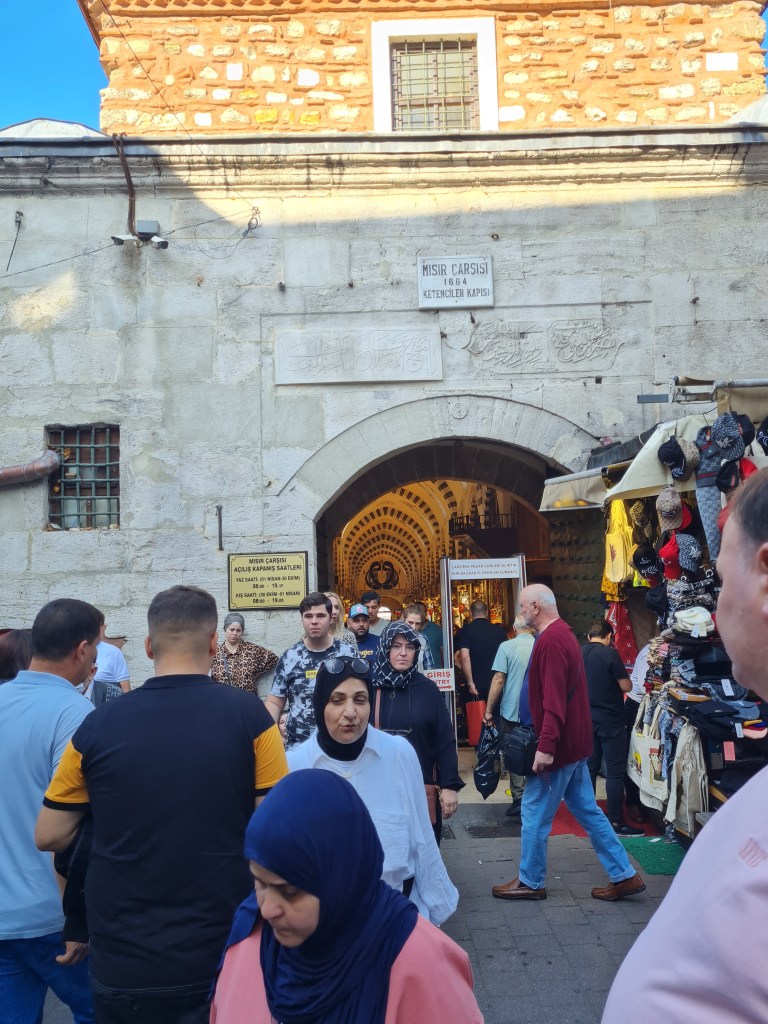
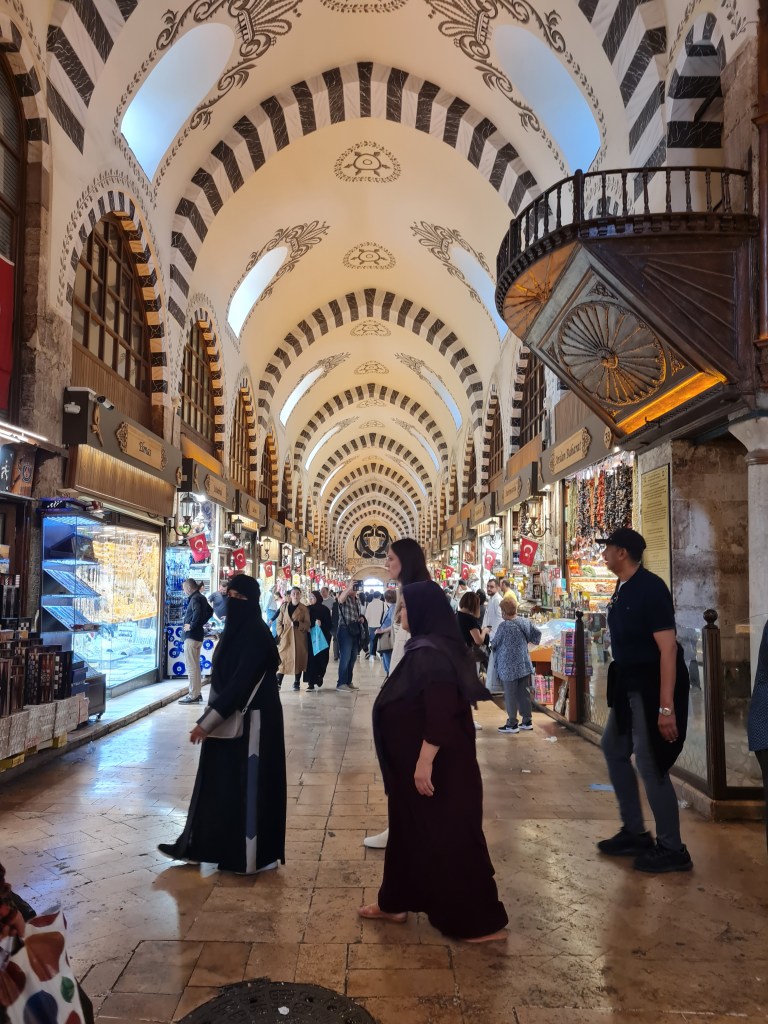
For many, religious conviction is more closely aligned to the bargain hunt. Well, try your negotiating skills at the Grand Bazaar or nearby Spice Bazaar. But beware if you’re a novice, to these guys, a good haggle commands the very height of devotion.
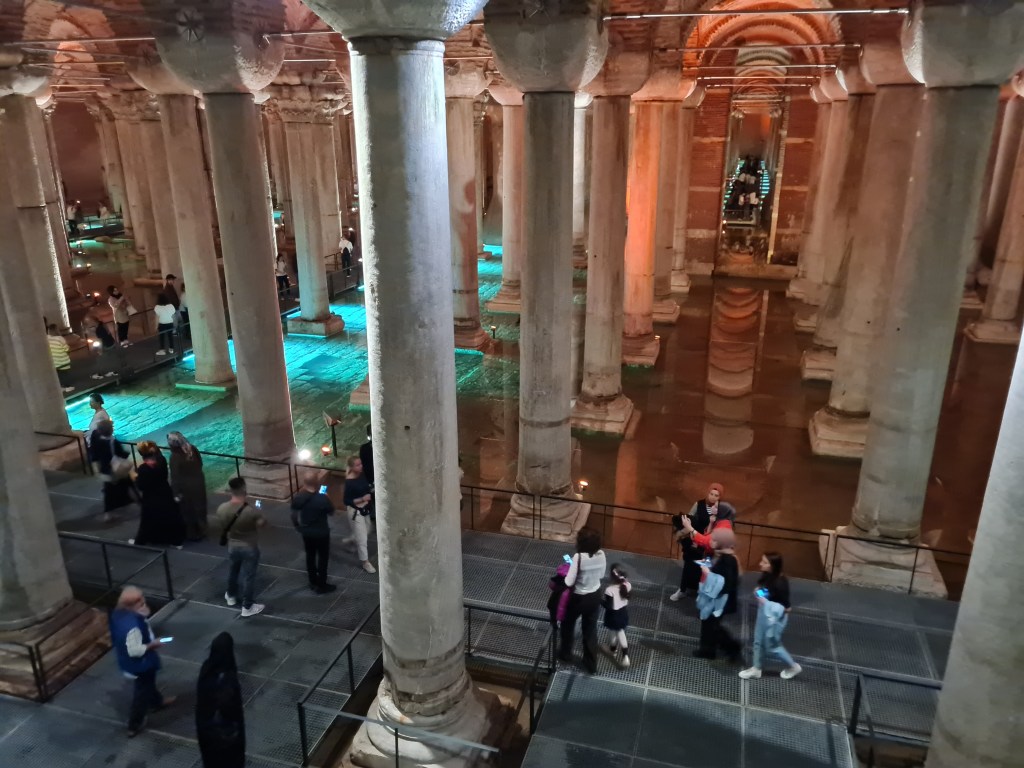
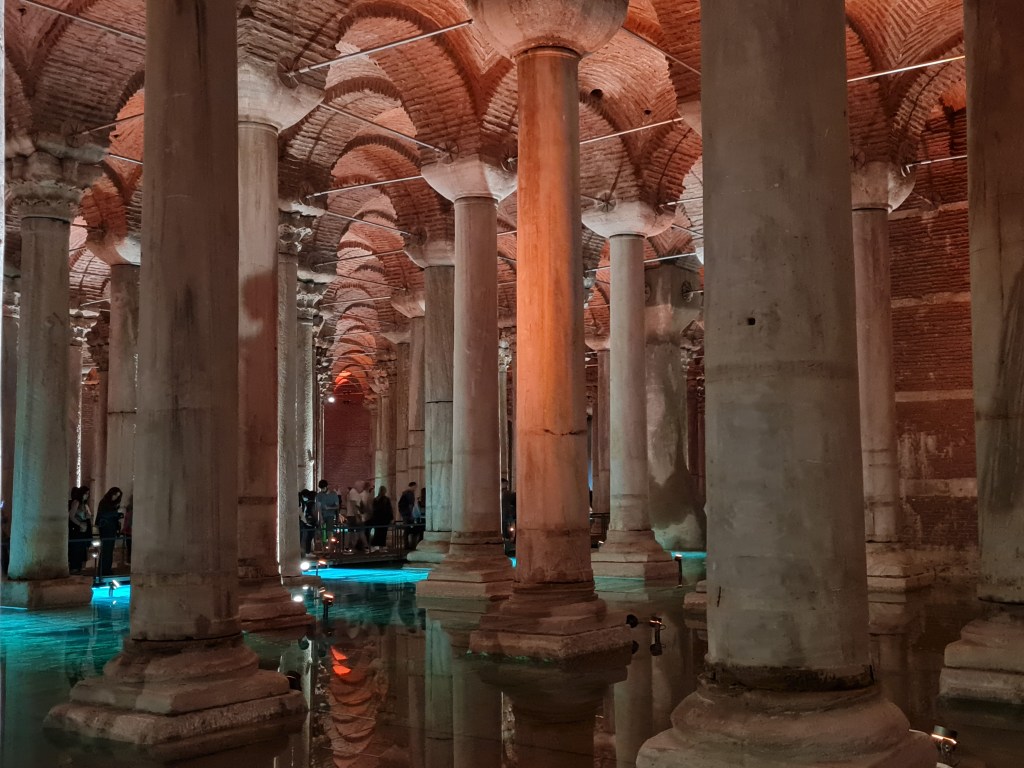
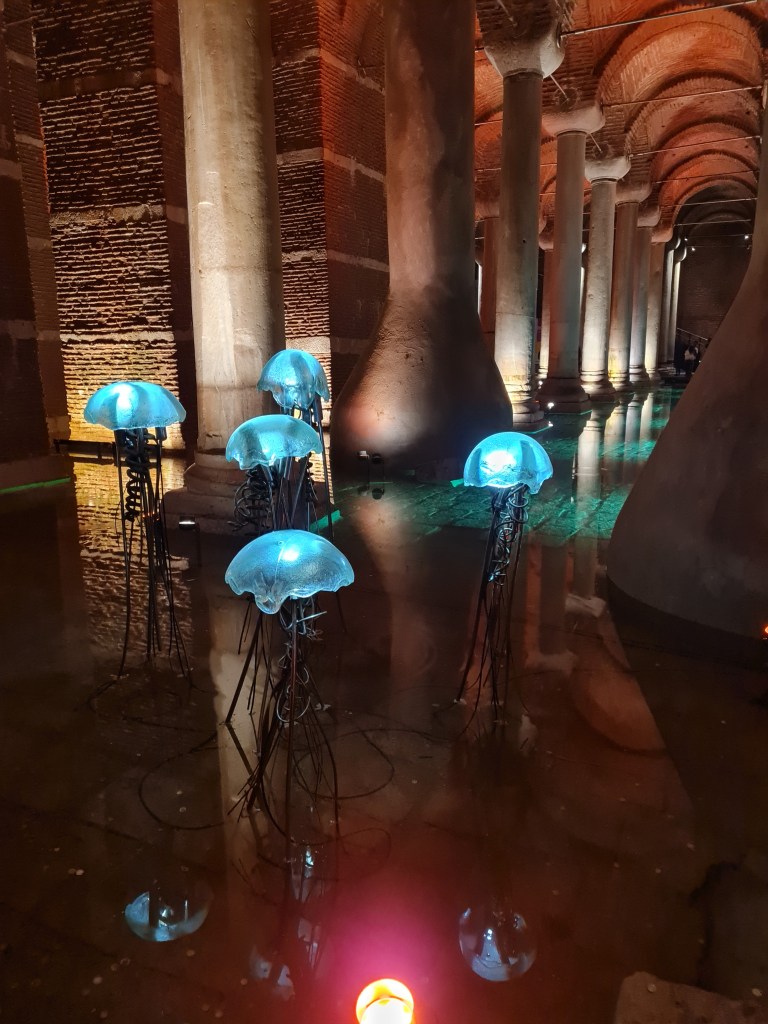
For others, the religious experience is to be found in hidden quirky gems, such as the Basilica Cistern… an underground ancient water filtration system from Byzantine times…
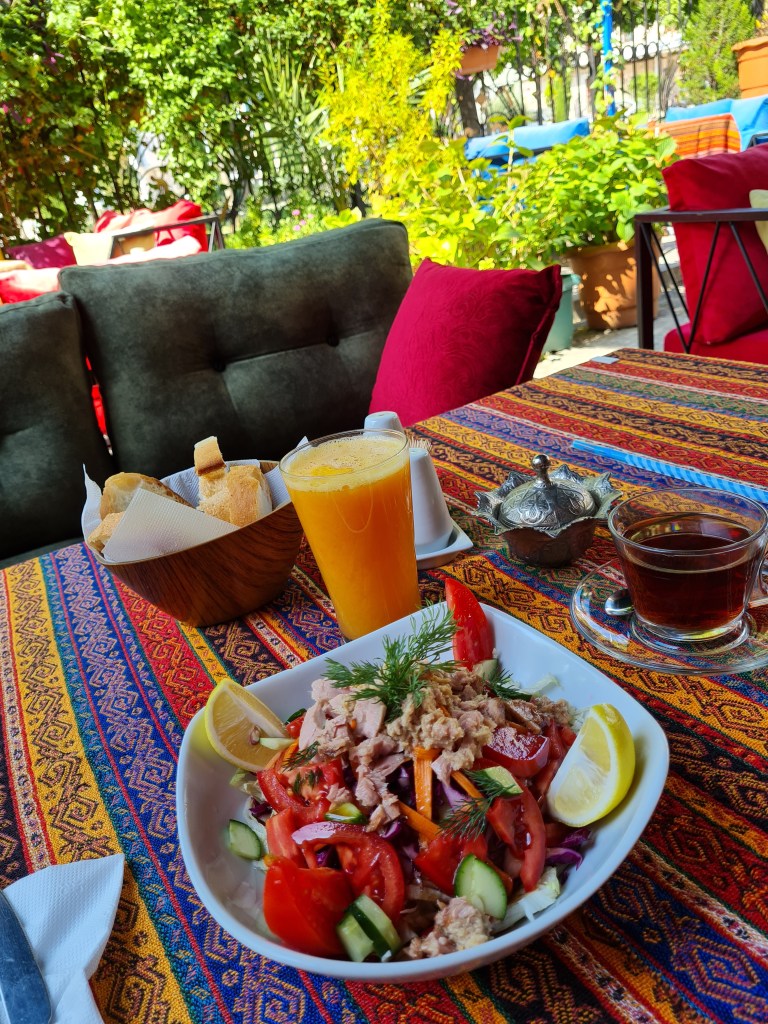
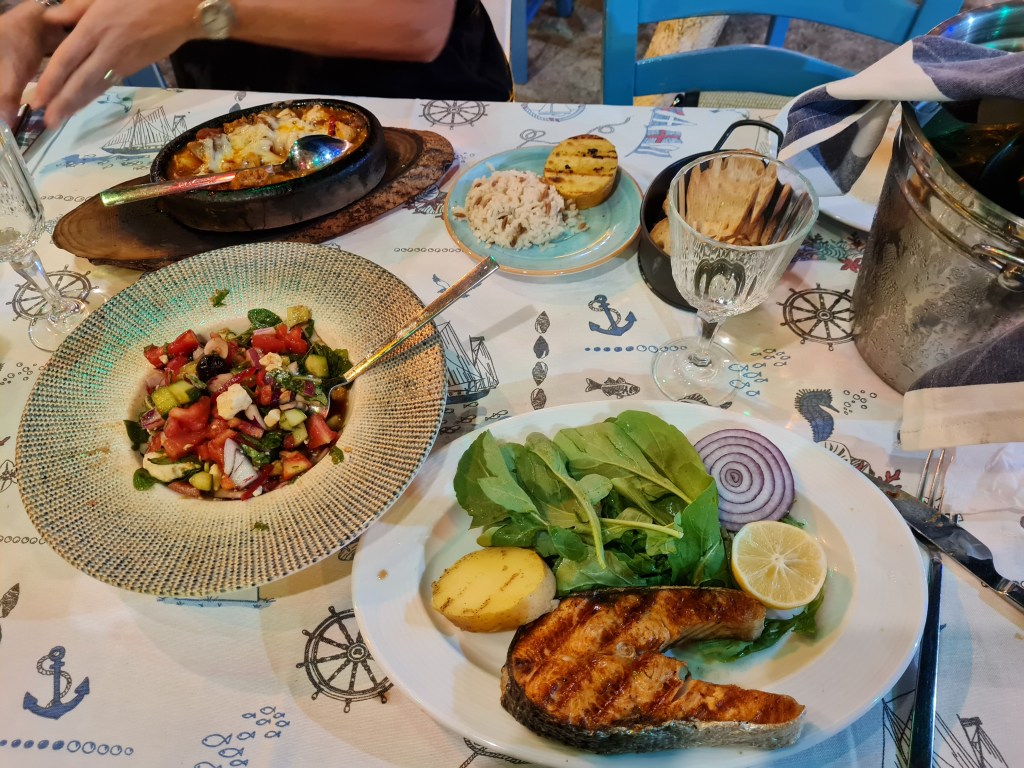
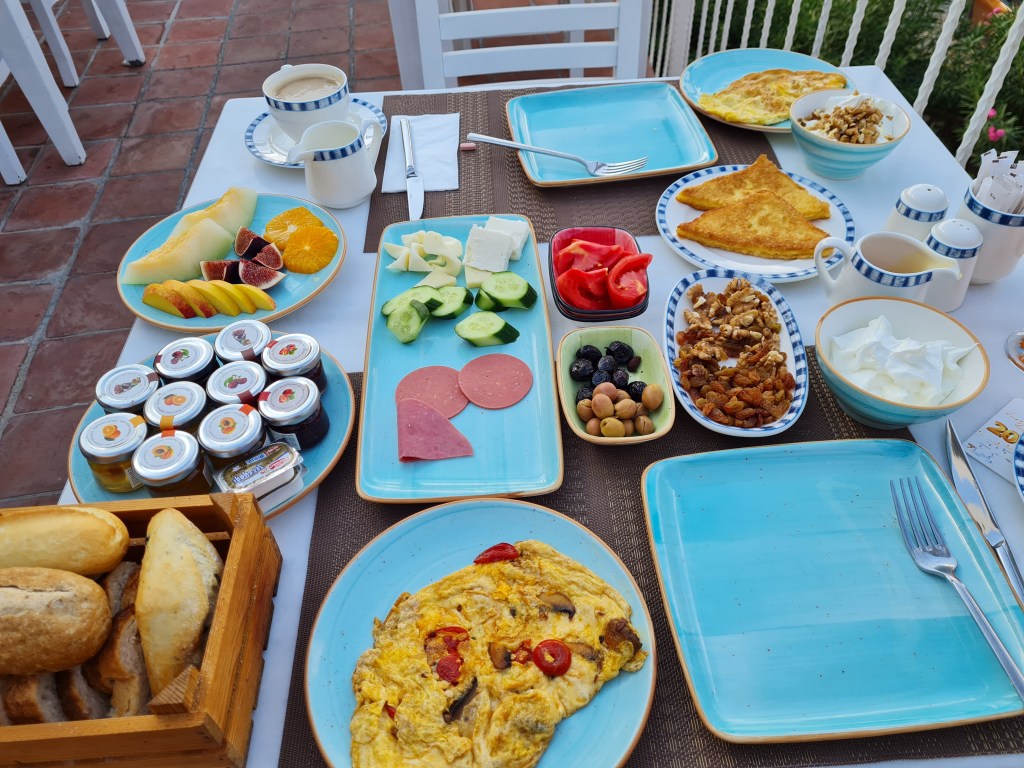
But surely, universal worship will always be found at the altar to the kitchen… and wow, Turkey has altars aplenty!
Even with the incredible cuisine, this is a country where the architectural awe still borders on a level of religious and historical incredulity wherever you look…
And, above all else, it’s just that wonderful feeling that summer’s not quite departed…
Until we speak again, whatever your religious proclivities Turkey will be a delight (the real Turkishdelight is well worth paying for as well!).
Don’t be put off by a glimpse of the menu’s of the future… yes, technology is even invading the sensual pleasures of fine dining. No opportunities for a casual glance at a physical menu while passing by here… trust your instincts, sit down, and a digital menu will be provided. If you don’t like what you see simply get up and walk away… the staff won’t be offended, but you will have missed out on a wonderful treat!
For punters of an advanced age, when the waiter offers you a tablet its the menu… not to be mistaken for the cocktail you may be taking a few times a day under the care of your medical team!
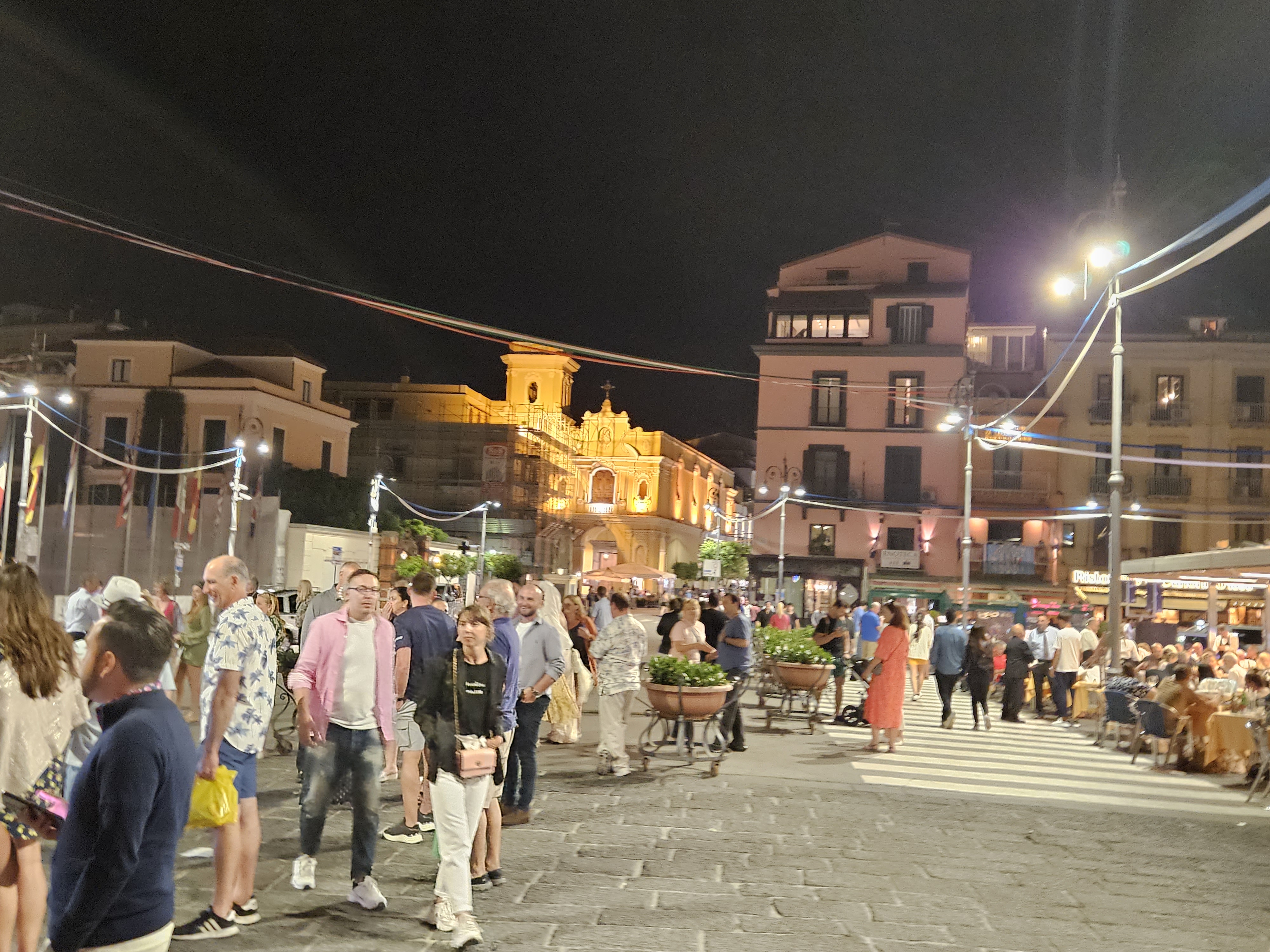
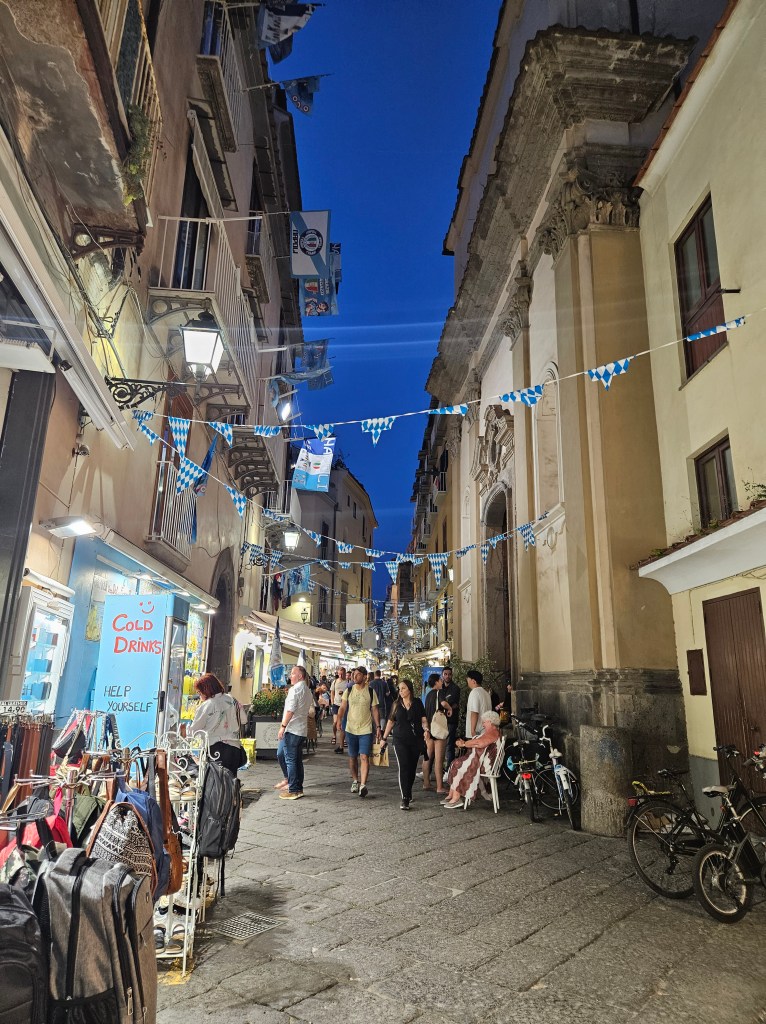
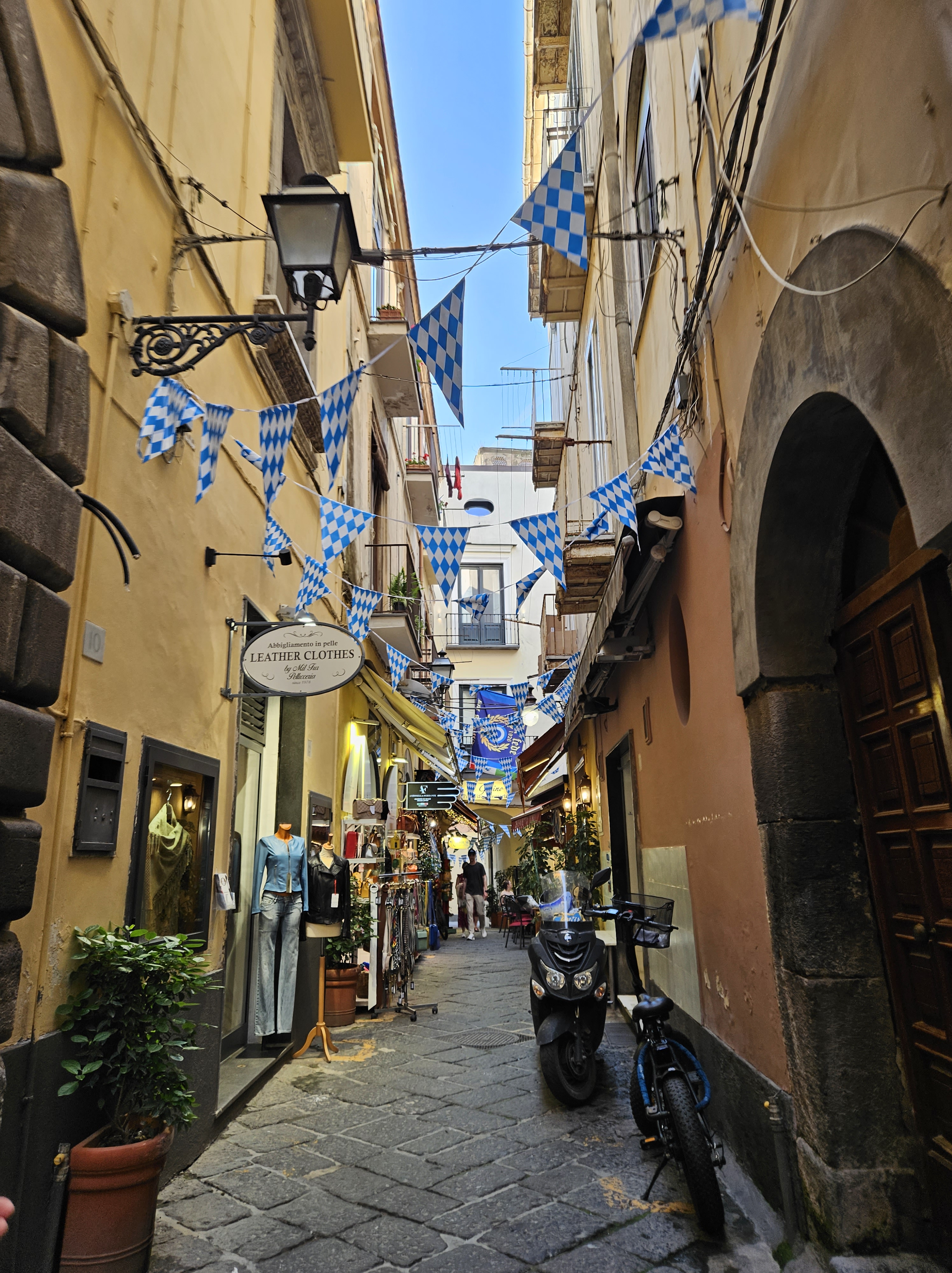
But first, getting there… the location is Sorrento in southern Italy, and the final mode of travel is on foot through narrow tourist shopping alleyways. From the central square of Piazza Tasso take the narrow pedestrian Via San Cesario through to the even narrower Via Fuoro.
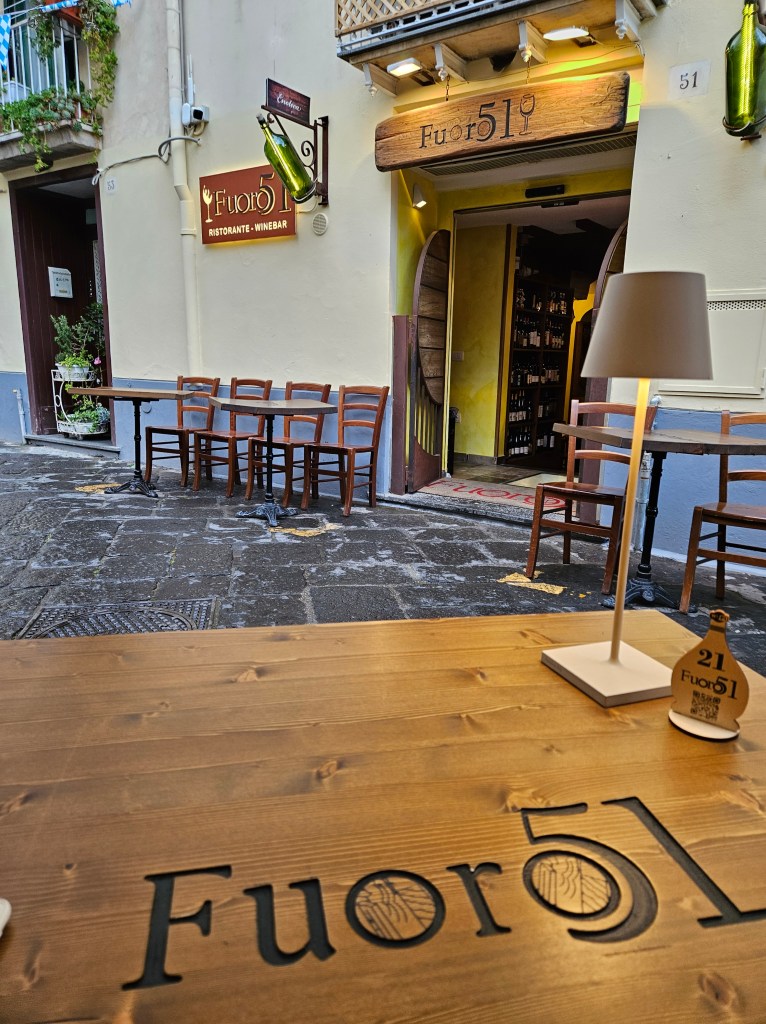
This destination requires that you ignore several other gastronomic temptations along the way. Just remember that patience rewards the brave as you arrive at the unpresupposing Fuoro 51… a restaurant and wine bar simply named by its number and the street!
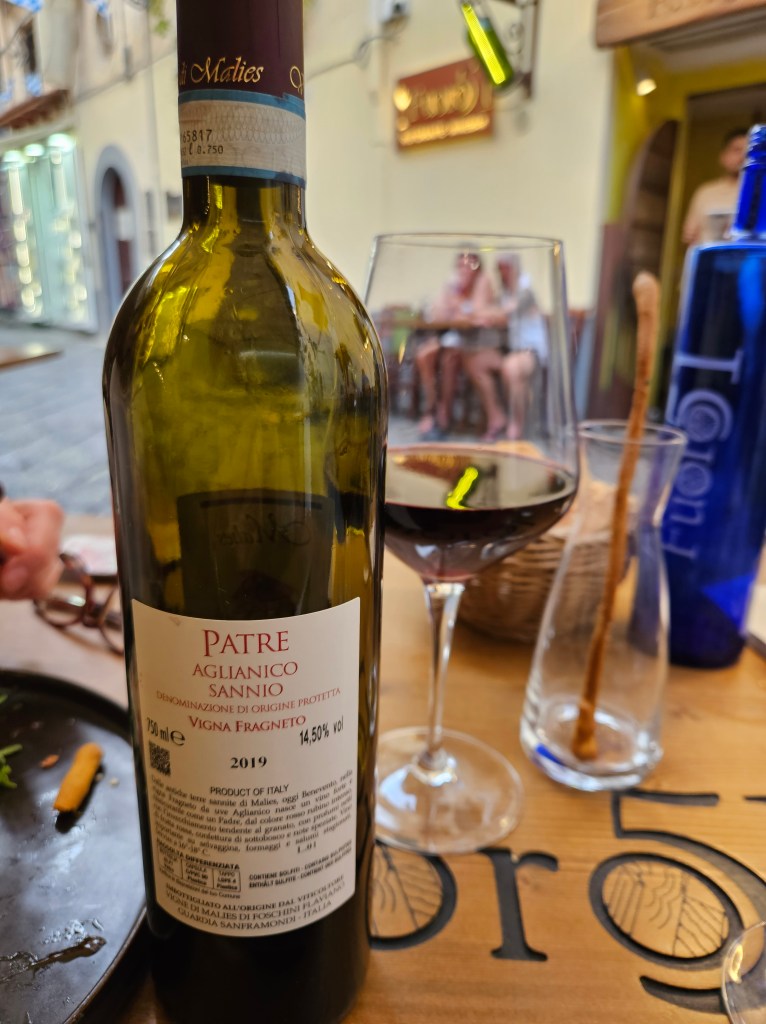
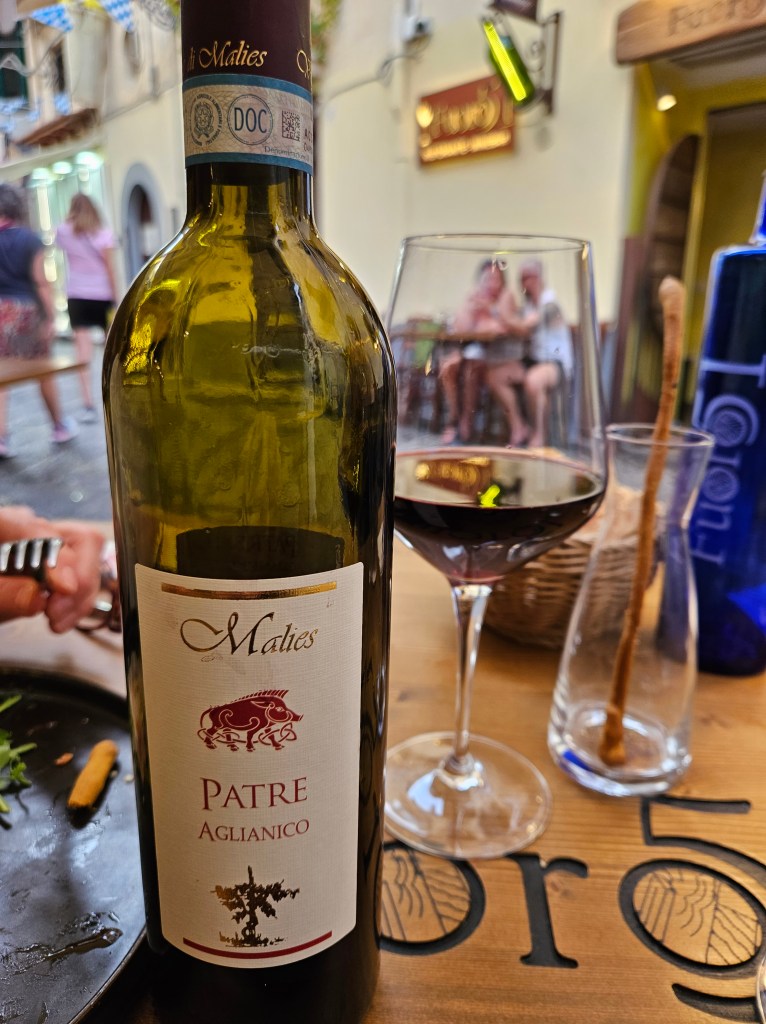
An outside table is highly recommended for added people watching, though if you’re seeing people in your glass, you may have had one too many of the delicious local red wines…
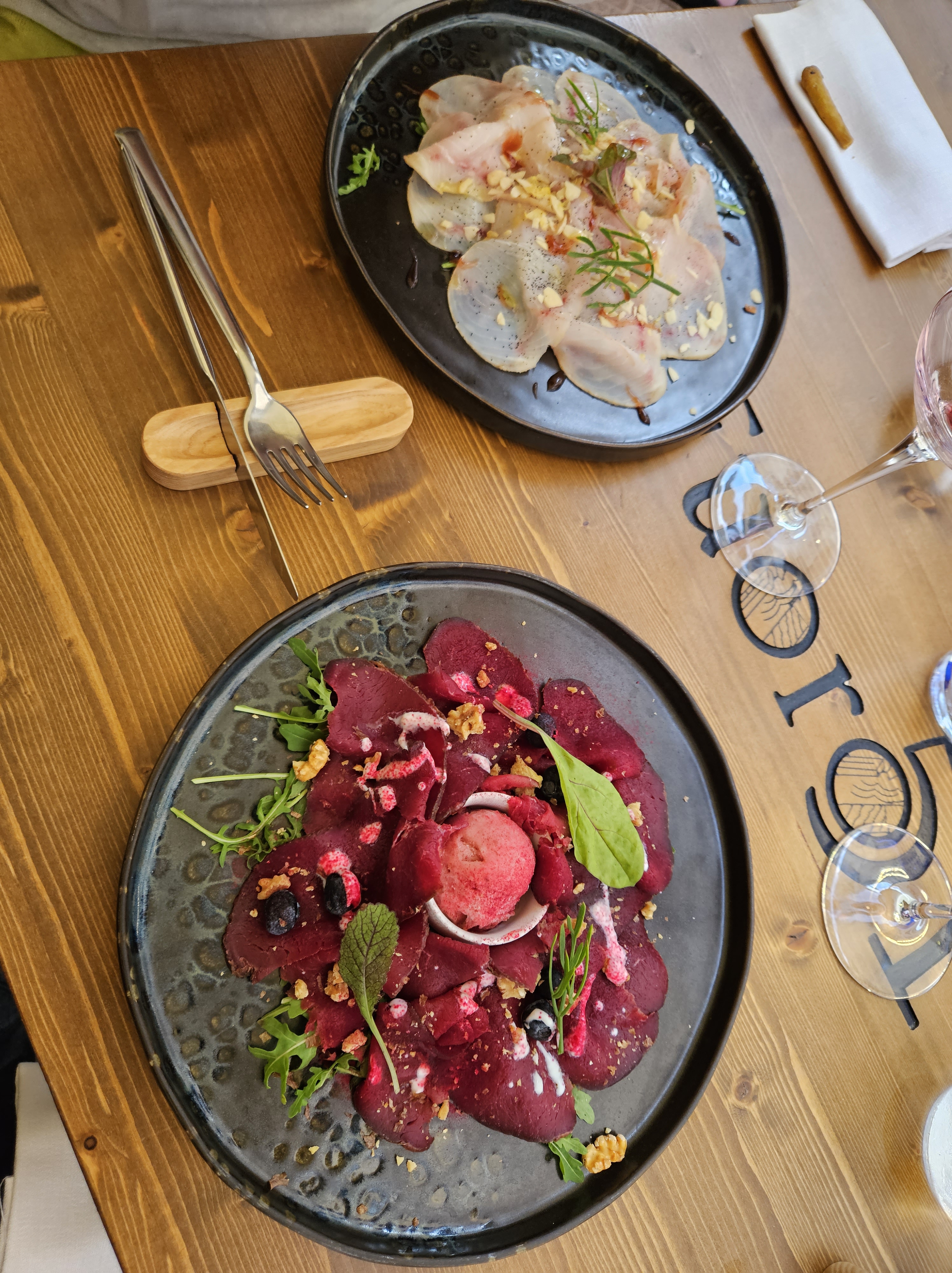
Carpaccio sounds like something Italian car mechanics might do. In reality, it was invented in Venice in the 1960s as a way of presenting food very thinly sliced and raw. Put any preconceived food phobias to one side (you’re not in Japan after all!), and treat yourself to two of the most incredible apertisers…
The venisoncarpaccio is marinated in a spice mix, then smoked for added flavour, and served with purple fig sorbet, kefir, blueberries, and walnuts. This would definitely be part of my death-row final meal! By the way, that meal would have so many of my lifetime favourite courses I’ll be keeled over long before it was completed.
Then, in the interests of balance (specifically for BBC viewers), there is a mouthwatering swordfishcarpaccio, smoked, and served with toasted almonds, raspberry, and hibiscus. It’s my newfound belief that swordfish are queueing up off the Sorrento coast to be auditioned for this type of performance.
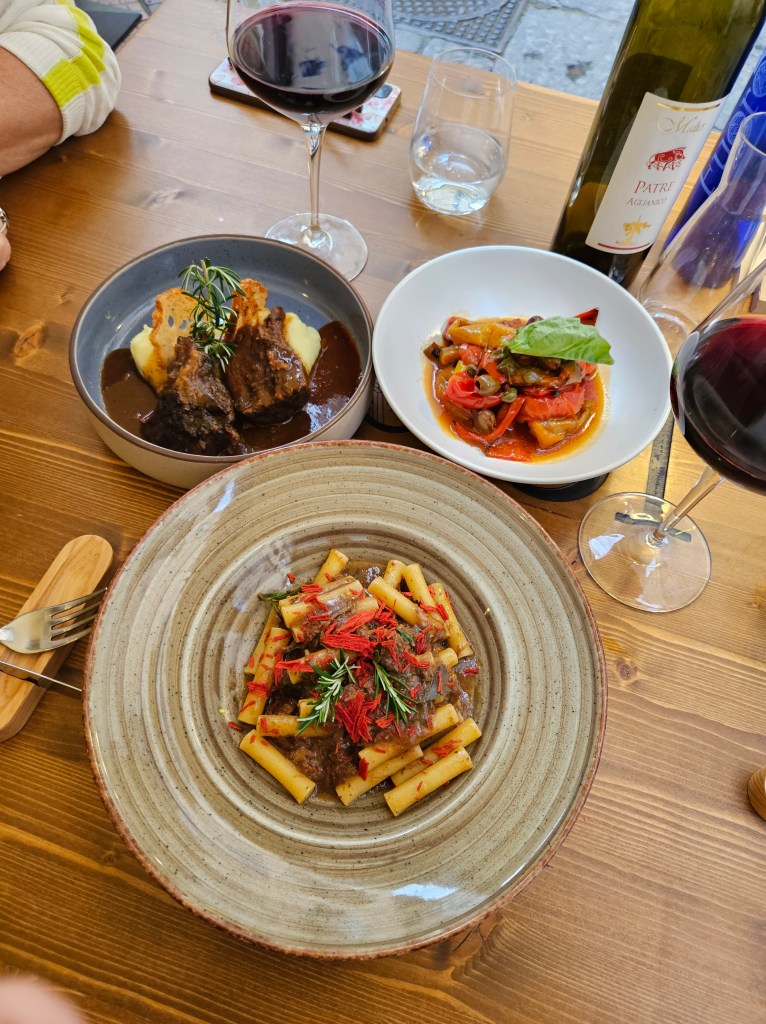
I need to make the statement of the obvious at this point… takeyourtime, you’ve entered into culinary heaven. But, when you’re ready for the main course, having spent hours distracted and meandering around that tablet, the animal kingdom provided a couple of simply delicious representatives in the form of a wildboarpasta dish, and a slow cooked vealcheek with the most delicate versions of mash. A shared side of roastedMediterraneanvegetables added more colour to the glorious palette of our table…
Until we speak again, it appears that hibiscus is not just that rare flavour you might find in tea! Vegetarians and vegans do come up with some interesting ideas… for enhancing proper food!
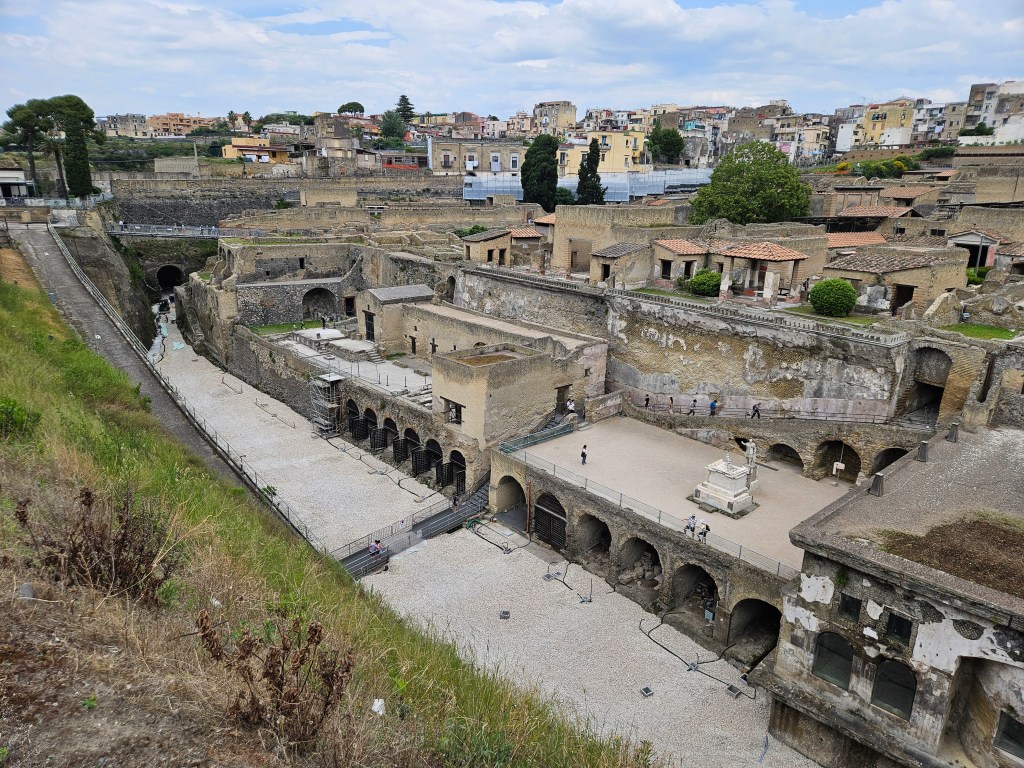
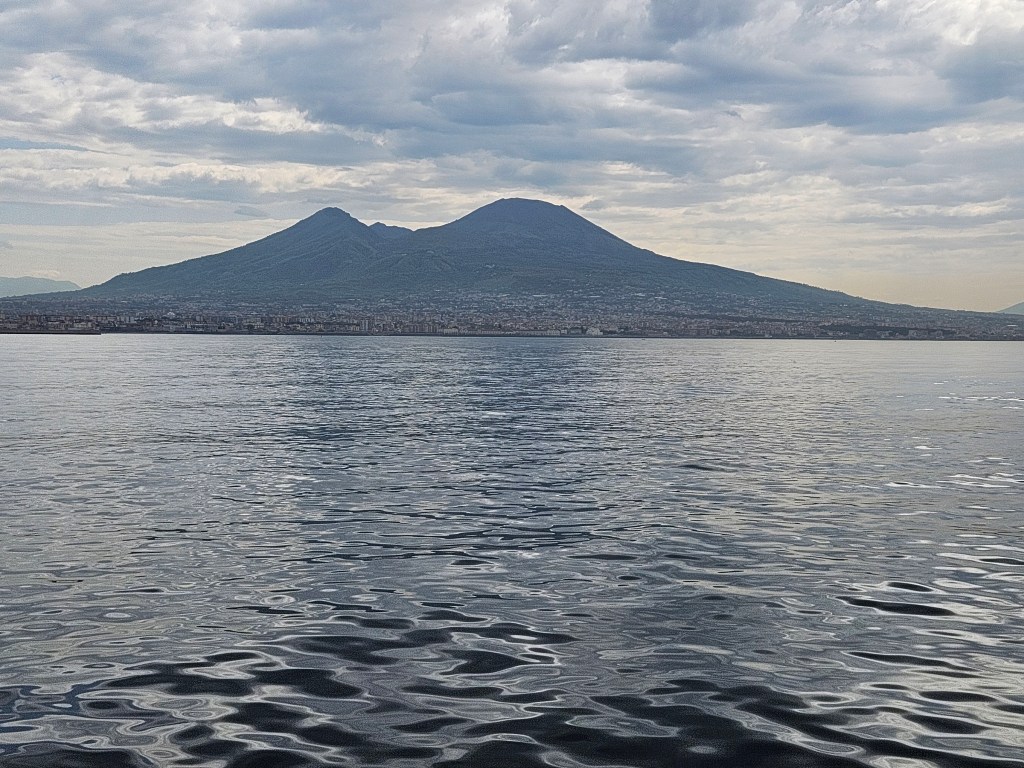
Done Pompei already? Or maybe looking for something equally entrancing but more compact and less overwhelmed by tourists? The shadow of Vesuvius casts you a choice… even if none were offered to so many local residents in AD 79!
The town of Erculano hosts the beautifully excavated Herculaneum. Experts have identified the different fates of Pompei and Herculaneum residents during the same disaster. The former were hit by ash and rocks while the latter were incinerated by molten mud slides. This matters because it underpins the different qualities of what’s preserved between the two sites.
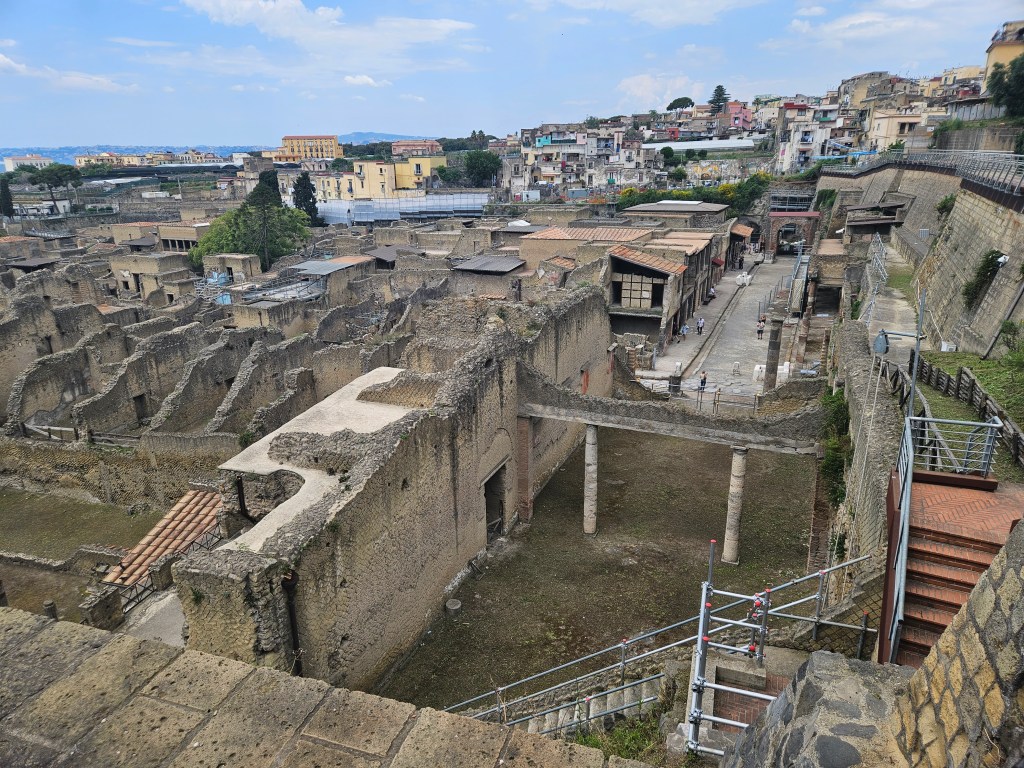
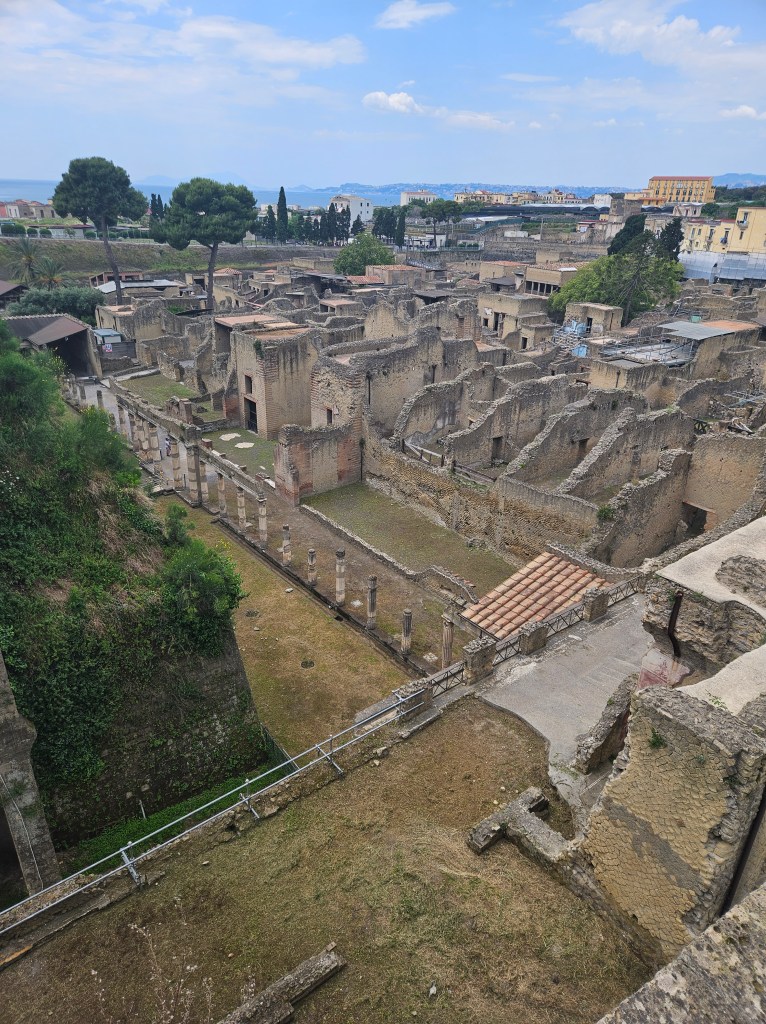
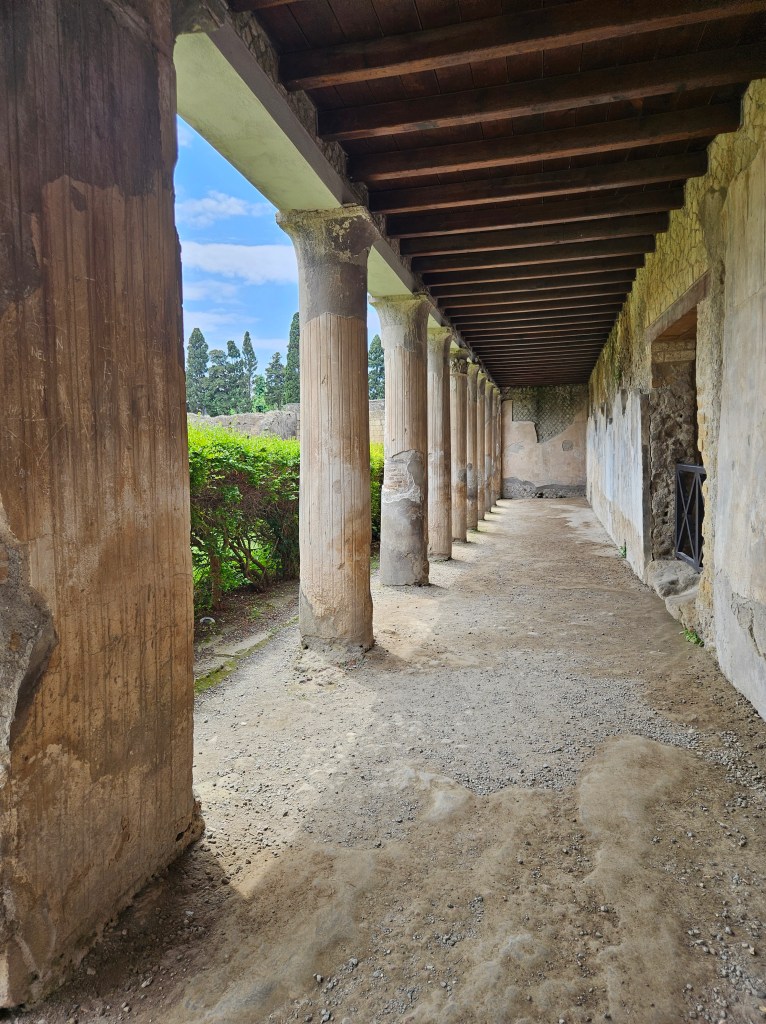
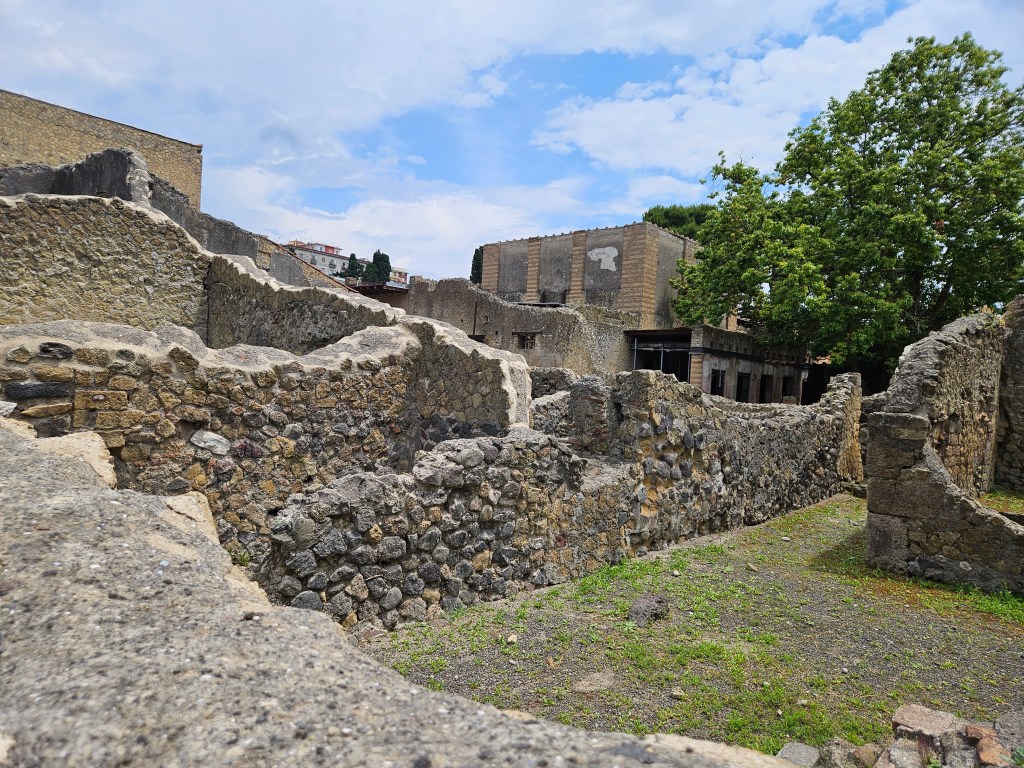
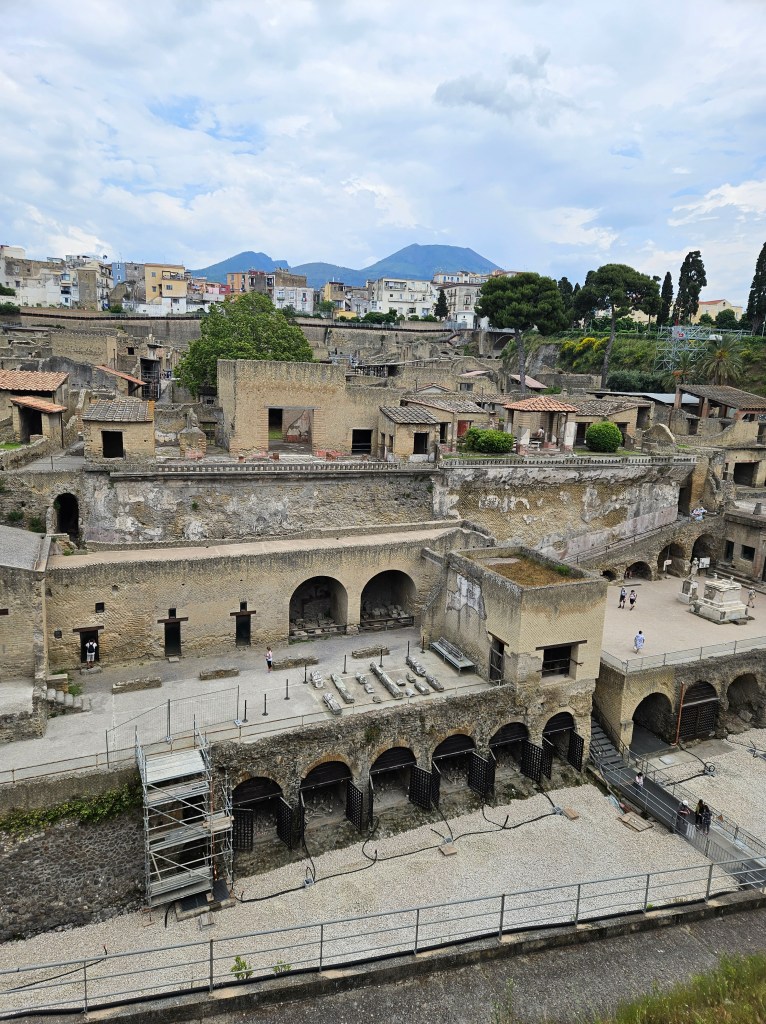
At Pompei, you have a larger town with a sense of public spaces and private lives. Whereas Herculaneum is distinctively exhibiting a smaller, more intimate sense of private residence. On arriving at the site, you have the benefit of elevation to take in the panoramic view…
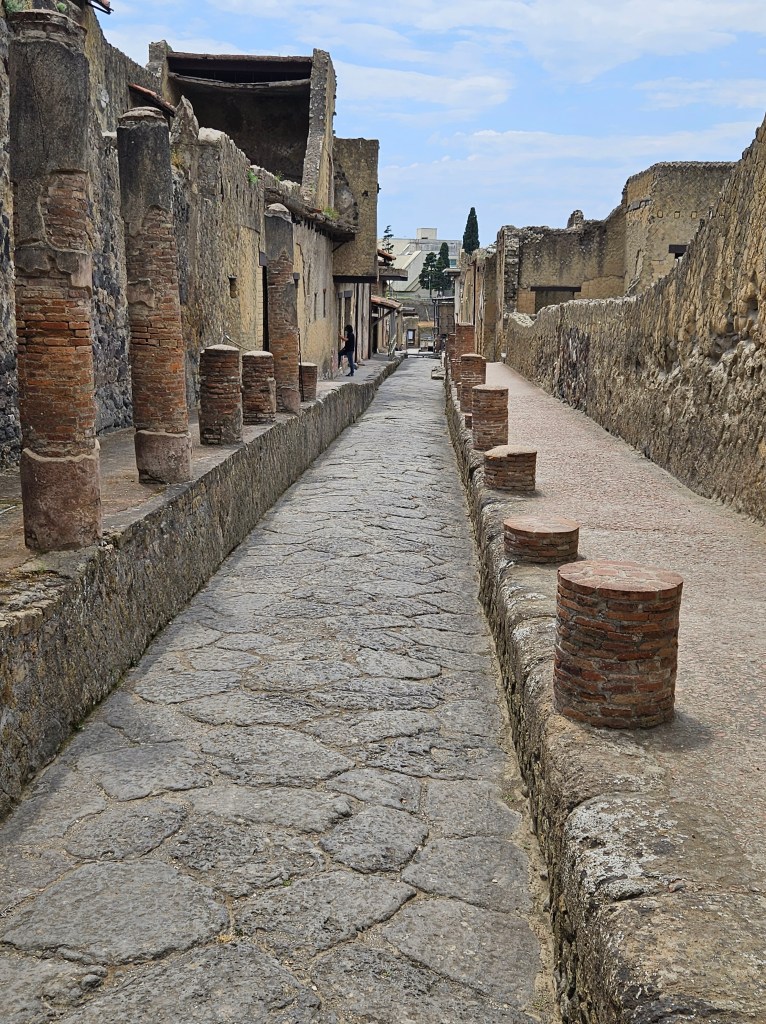
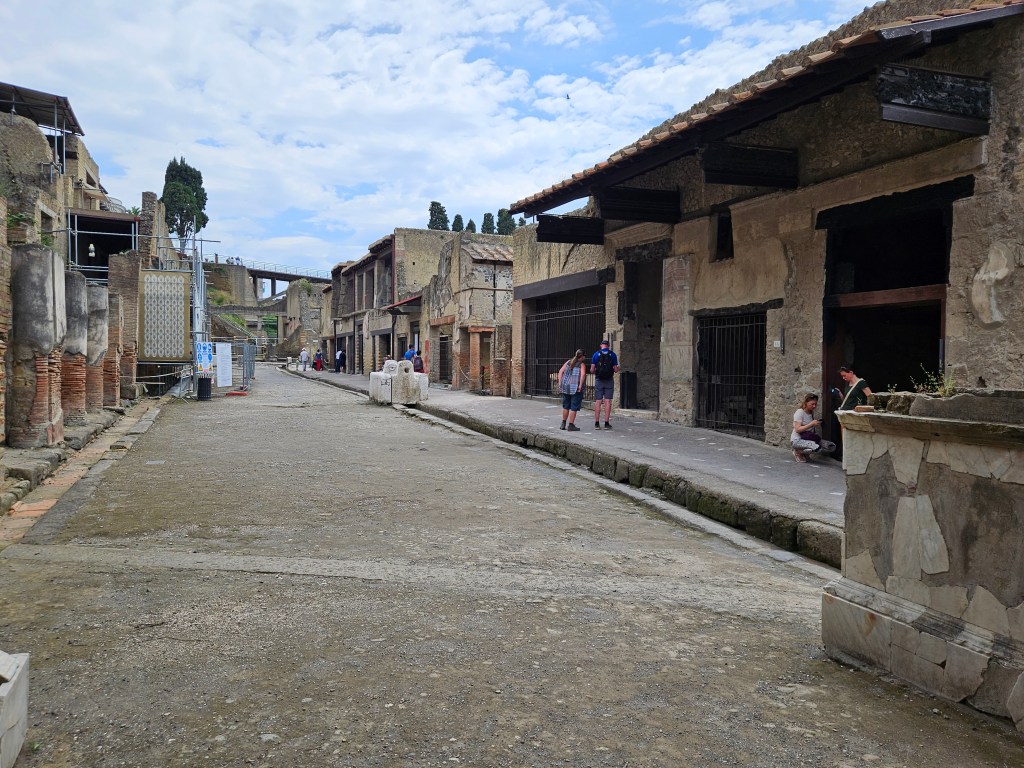
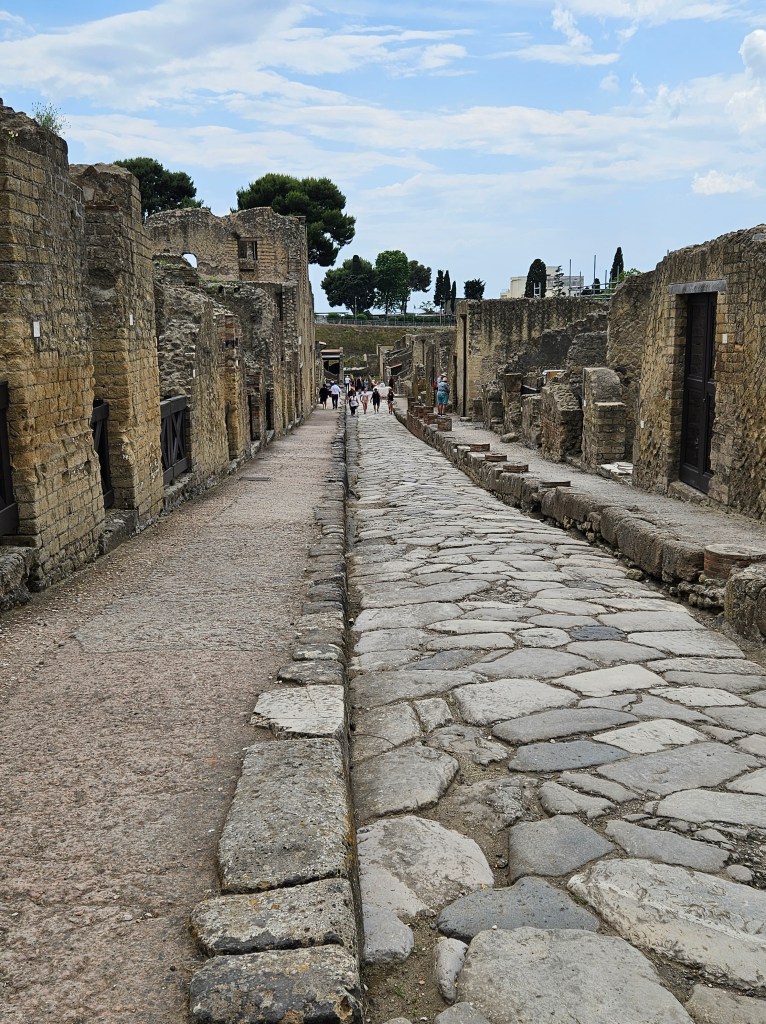
Getting down into the excavated ruins you initially experience very much the street view of the former bustling port…
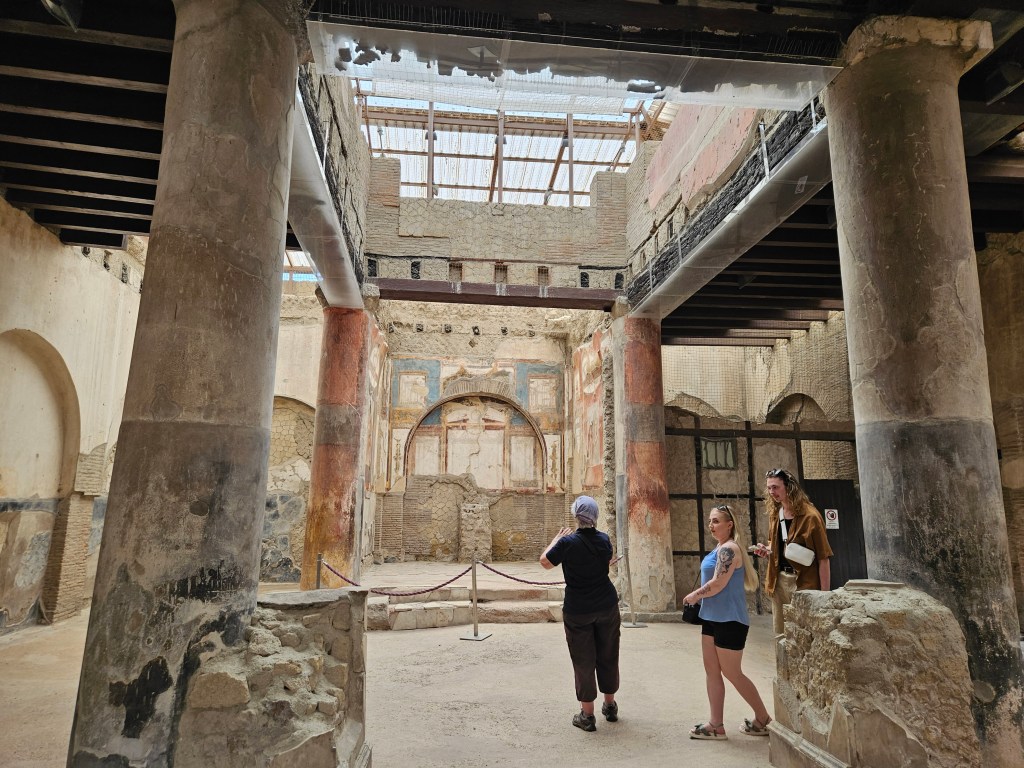
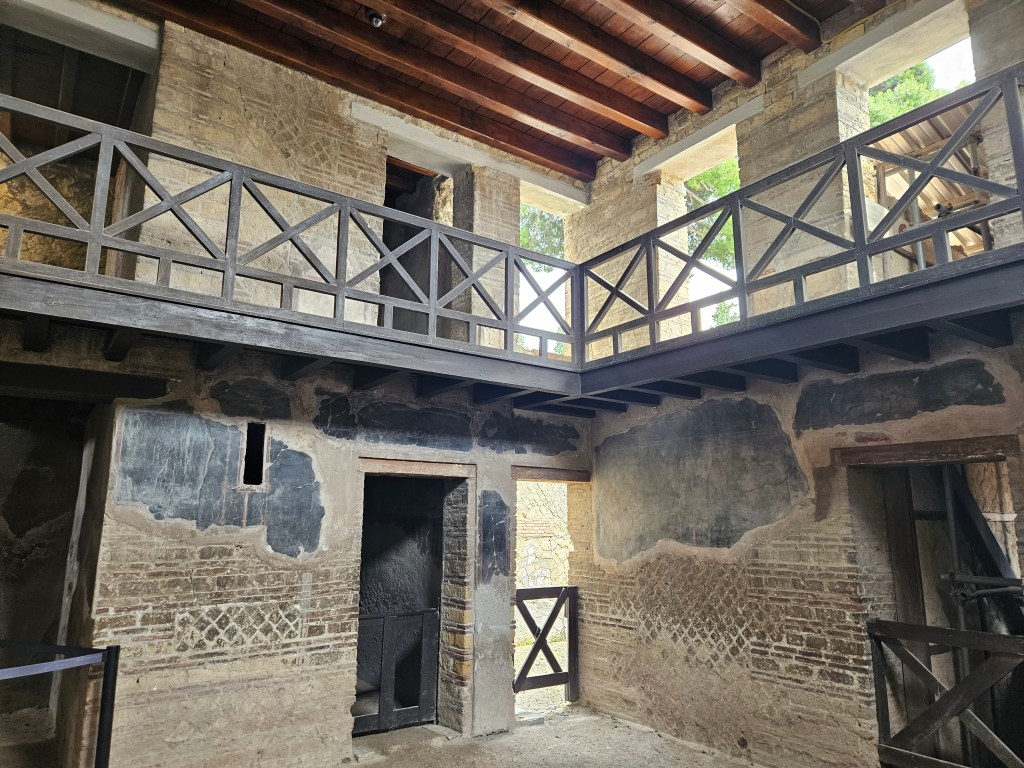
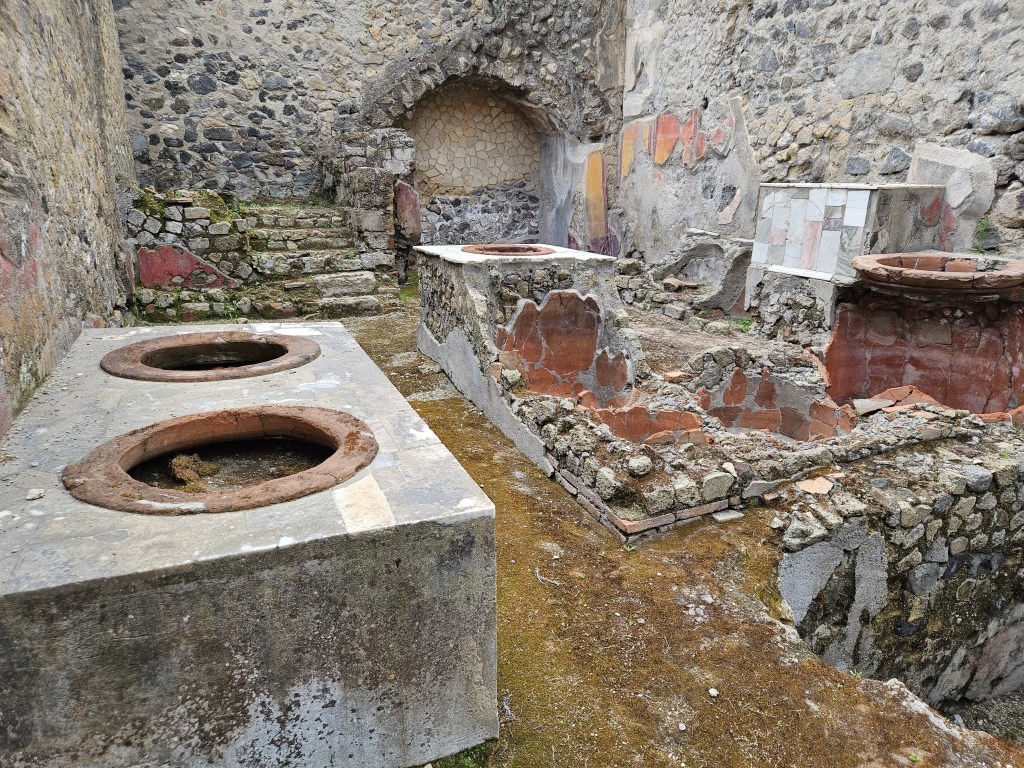
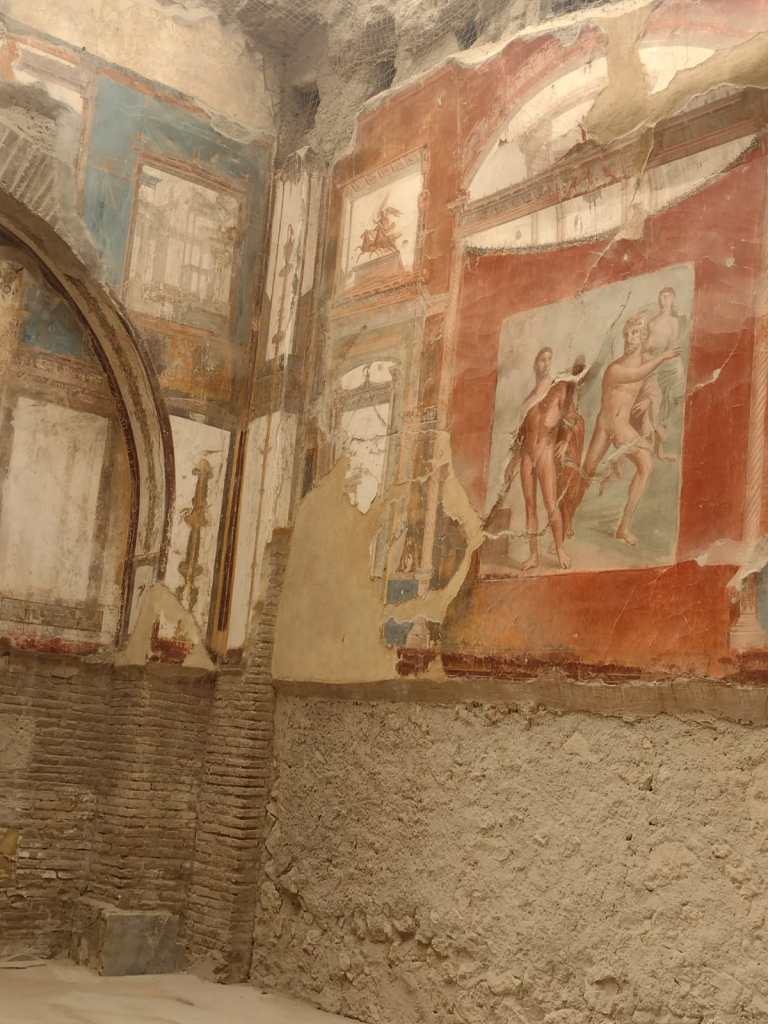
But then there is the distinct detail that provides that home view of private lives lived in the shadow of what would become a short-lived terror…
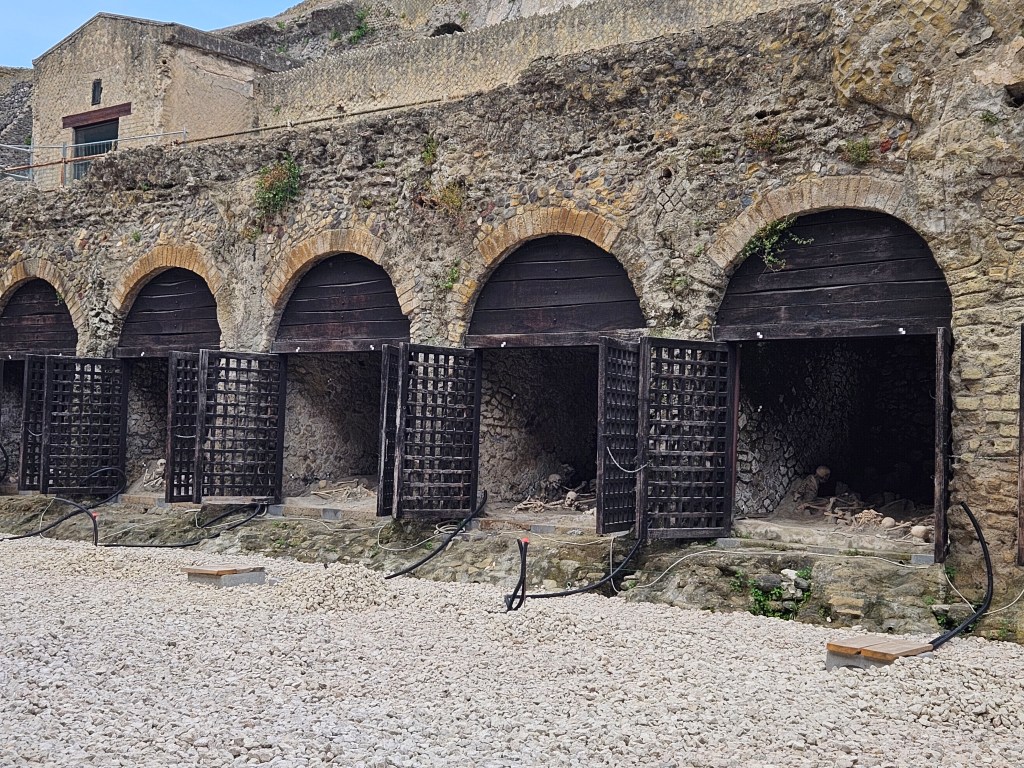
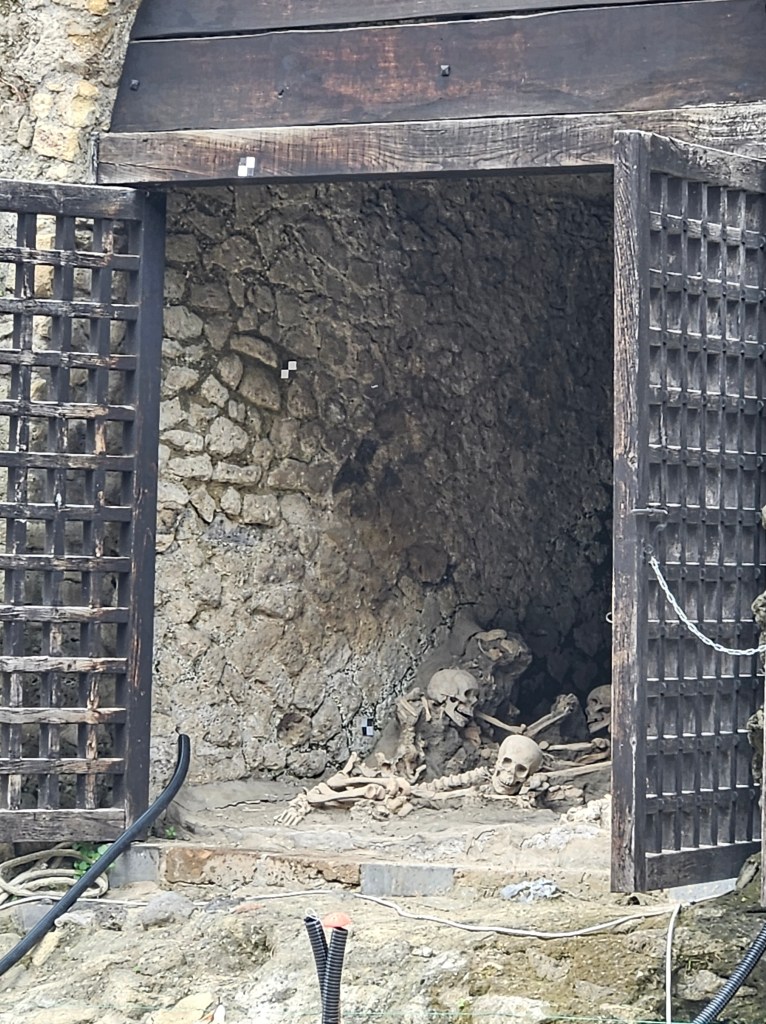
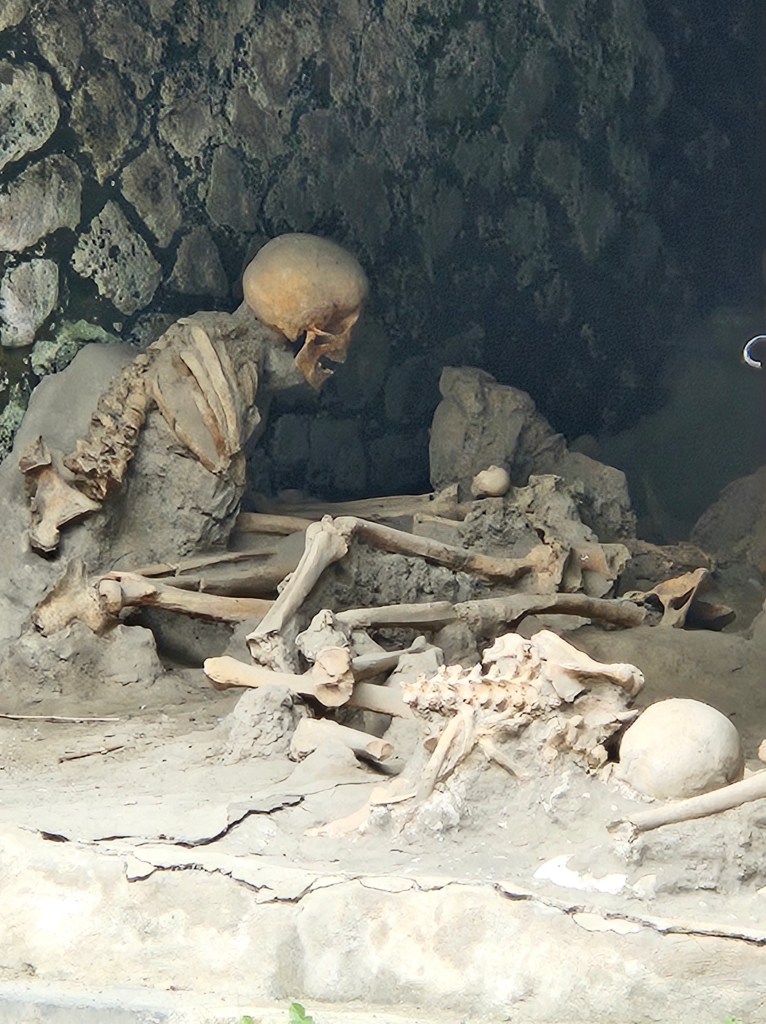
But finally, there is the emotional view, what also distinguishes Herculaneum from Pompei… hundreds of preserved skeletons at the lowest level of the site portray a vision of the horror, as many residents attempted to shelter at the port side stores from the advancing mud that would engulf and ultimately preserve their remains…
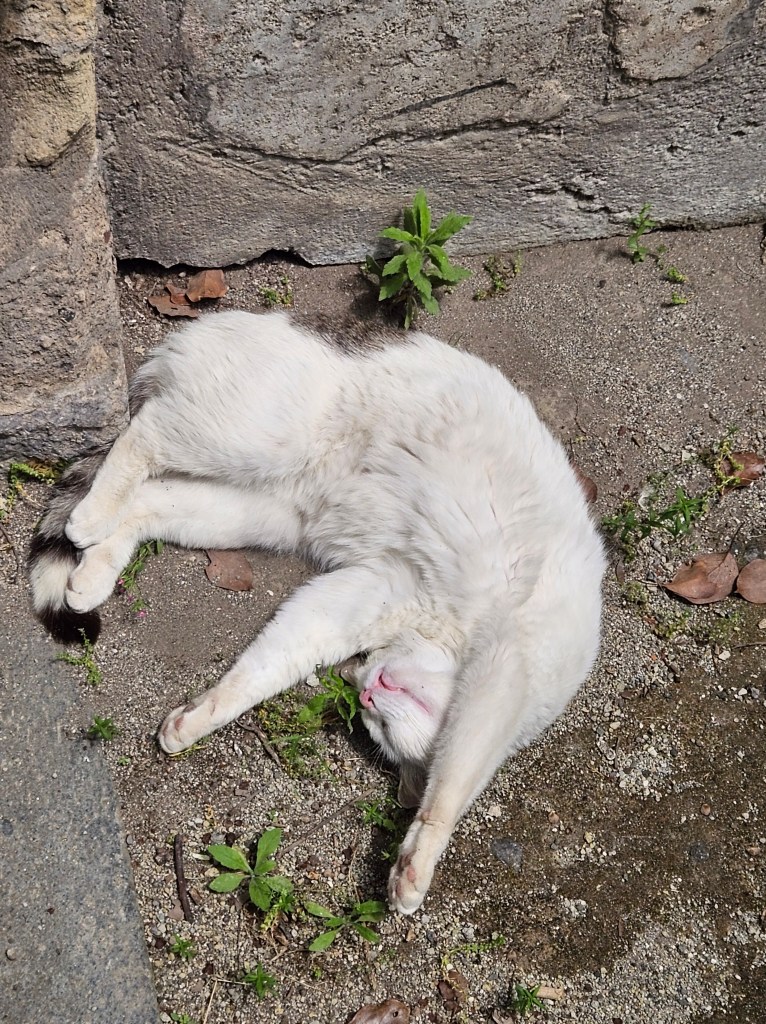
Until we speak again, was that a perfectly preserved cat, or simply the chilled out undercarriage view?
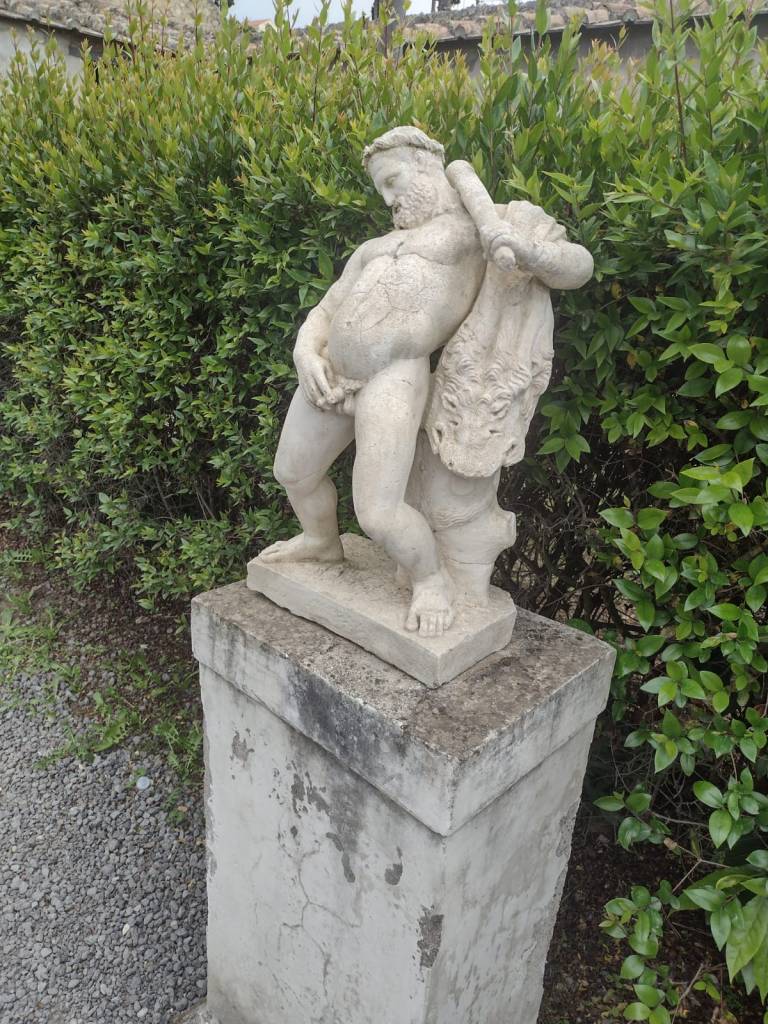
Now, I’m sure there was a toilet around here somewhere!
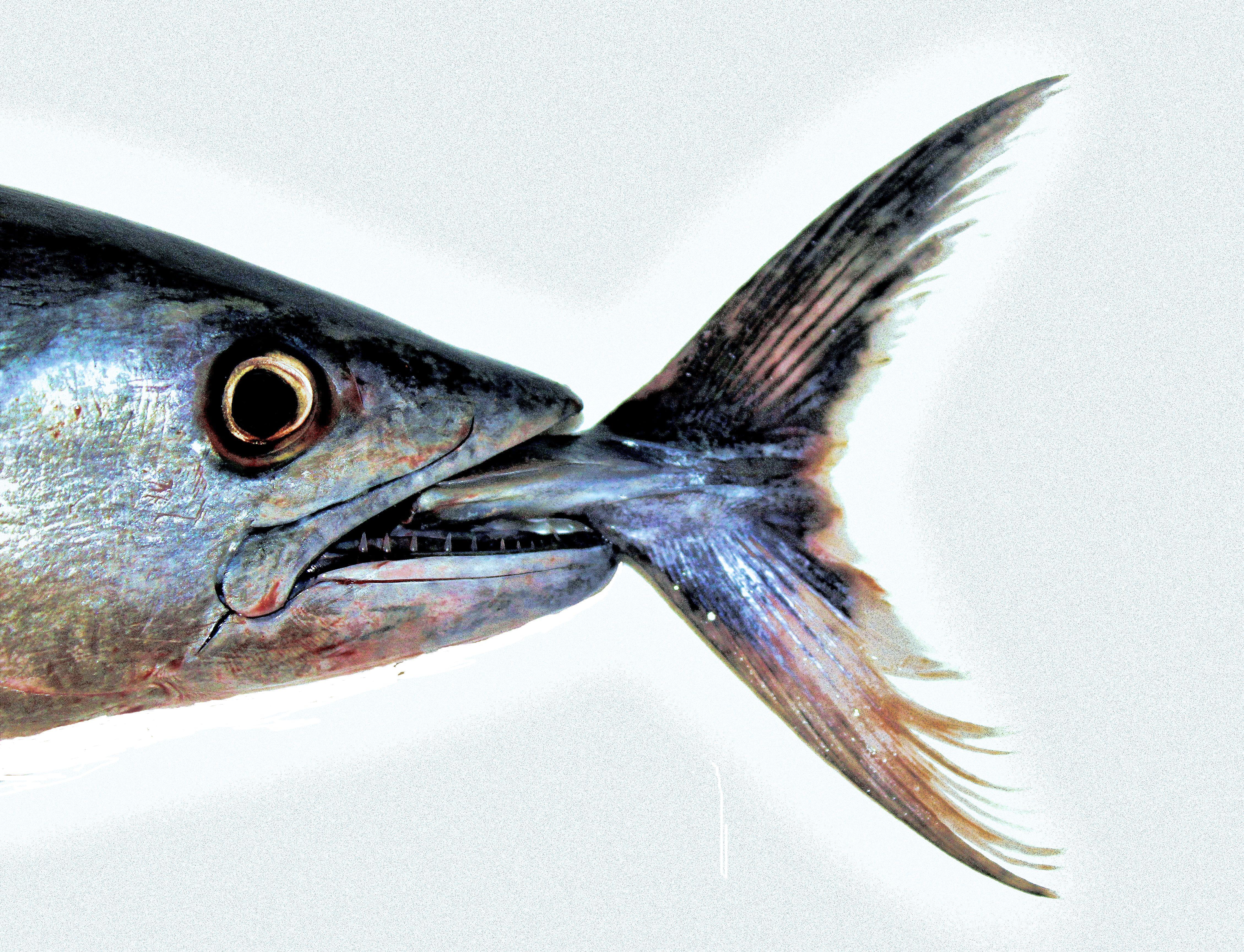
Like many humans, fish present me with something of a personal dilemma… sometimes they can look so damn good, but alas, in the end, you just have to follow the lead of cats… and eat them. But, before you do, it helps to pay people who know how to present them for eating. This was certainly the least of our problems on a recent trip to southern Italy.
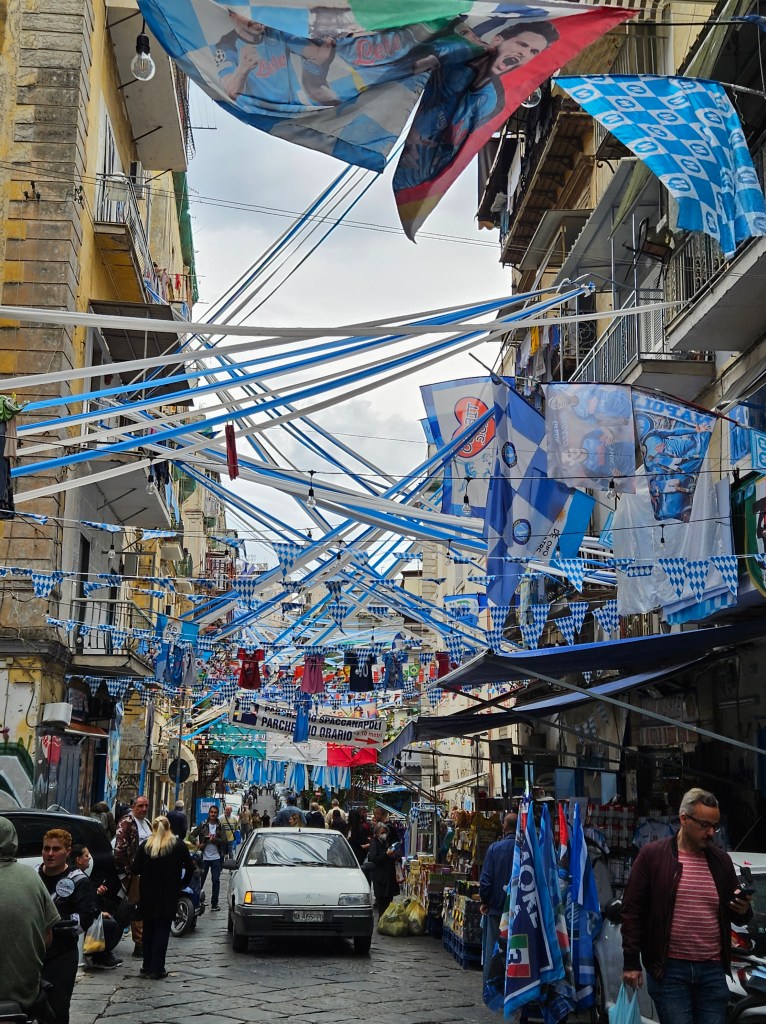
Take Naples, for example. It may well have been a city totally consumed by its recent football success as Italian champions for the first time since the Maradona infused party of 1990.
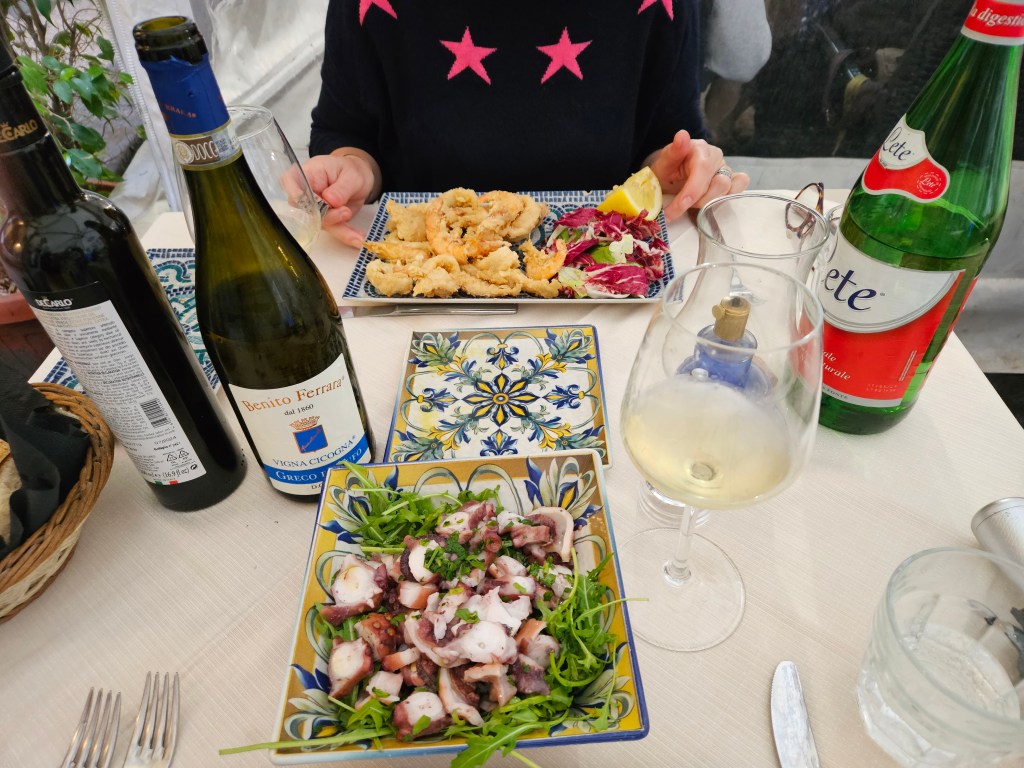
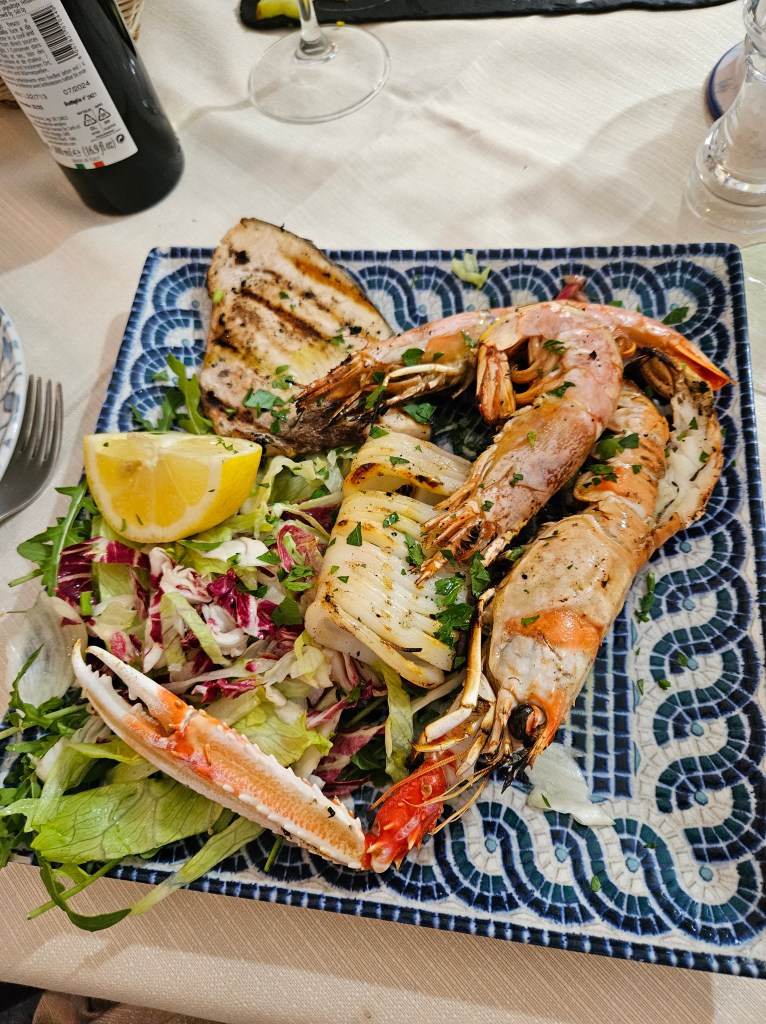
But not even that could diminish the opportunity for several acquatic species to leap onto our plates in search of a fulfilling end of life! Even if it was a wobbly table in a back street port district car park. Fried calamari, octopus, grilled calamari, fully tooled-up squid, and more docile looking swordfish were simply leaping off the menu to accompany the local white wine.
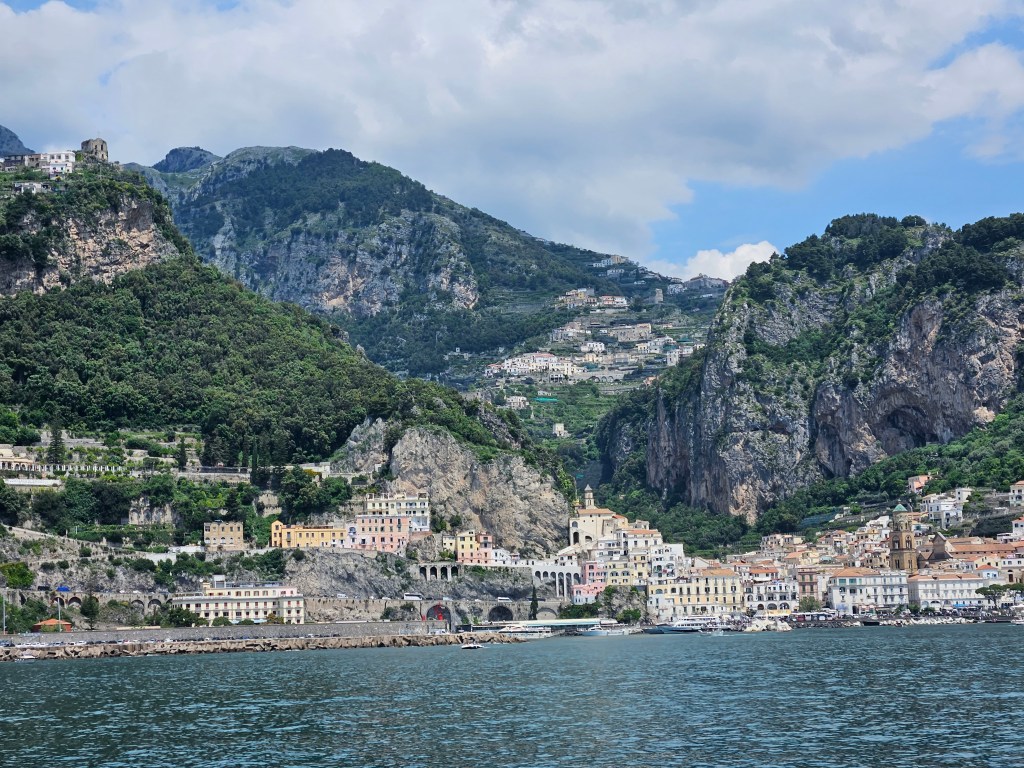
Taking a boat trip across the Bay of Naples around the Amalfi coast in order to maybe witness dinner in its more usual and natural habitat proved a futile challenge. Ultimately, the coastline is far too distracting.
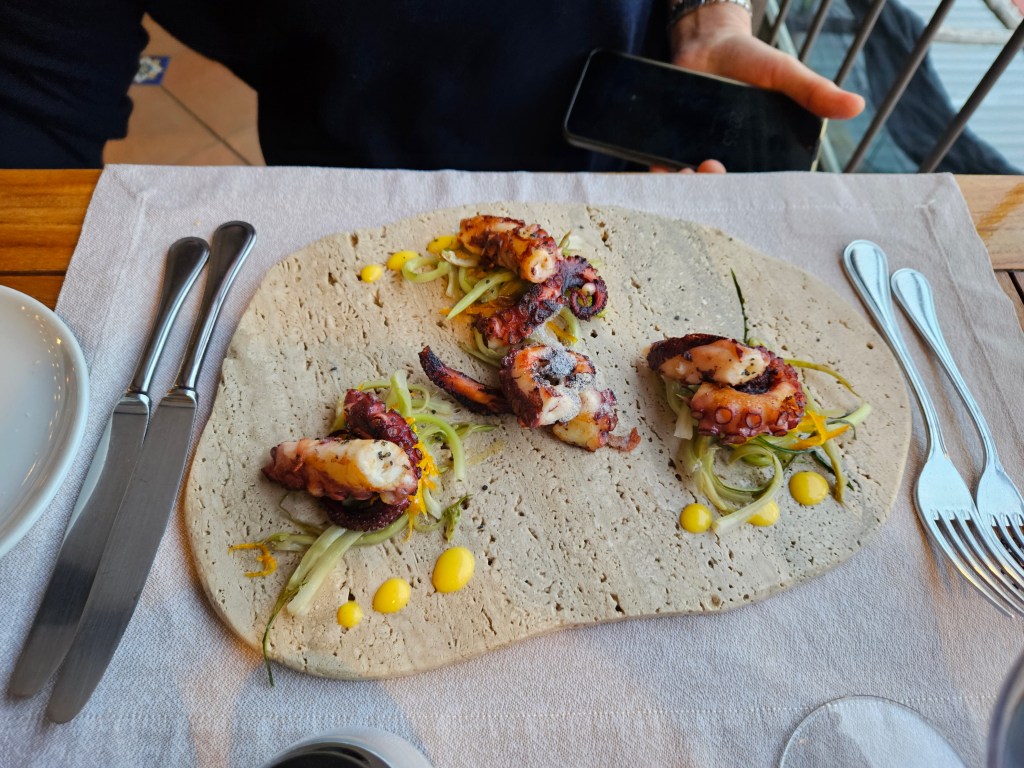
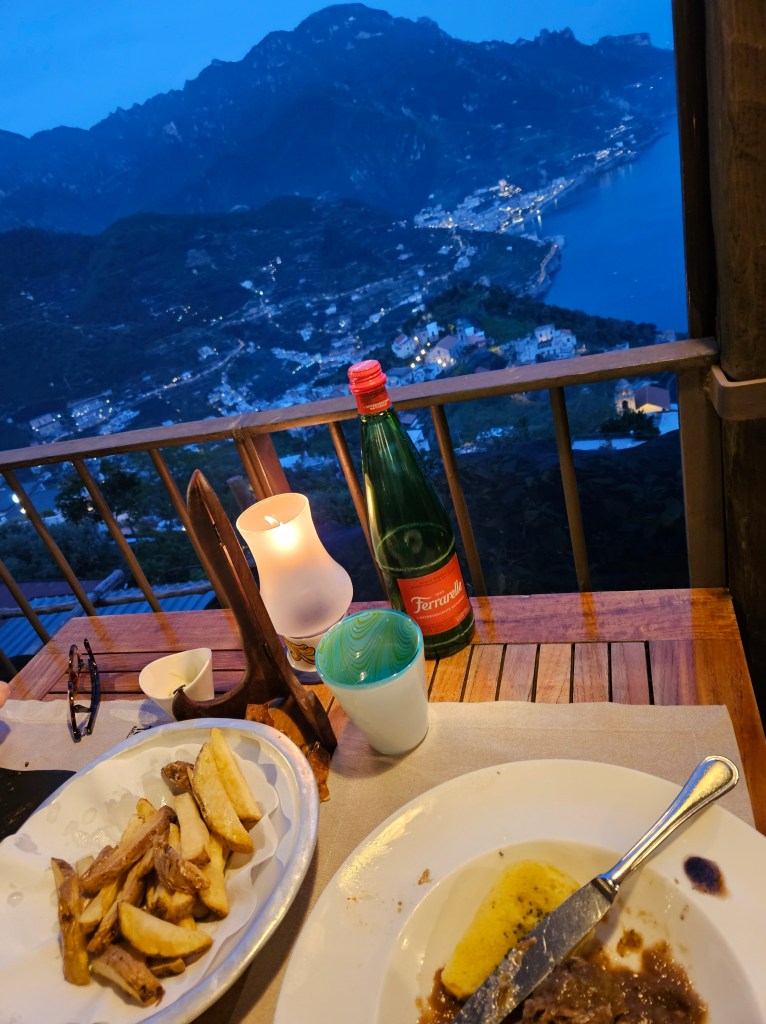
In the end, it seems the best place to see these fellas is on a plate a few hundred metres above sea level. Ravello provided the ideal place to sample some more octopus. The location also provides breathtaking views out across a coast that could well be the starting point of your dinner’s own journey.
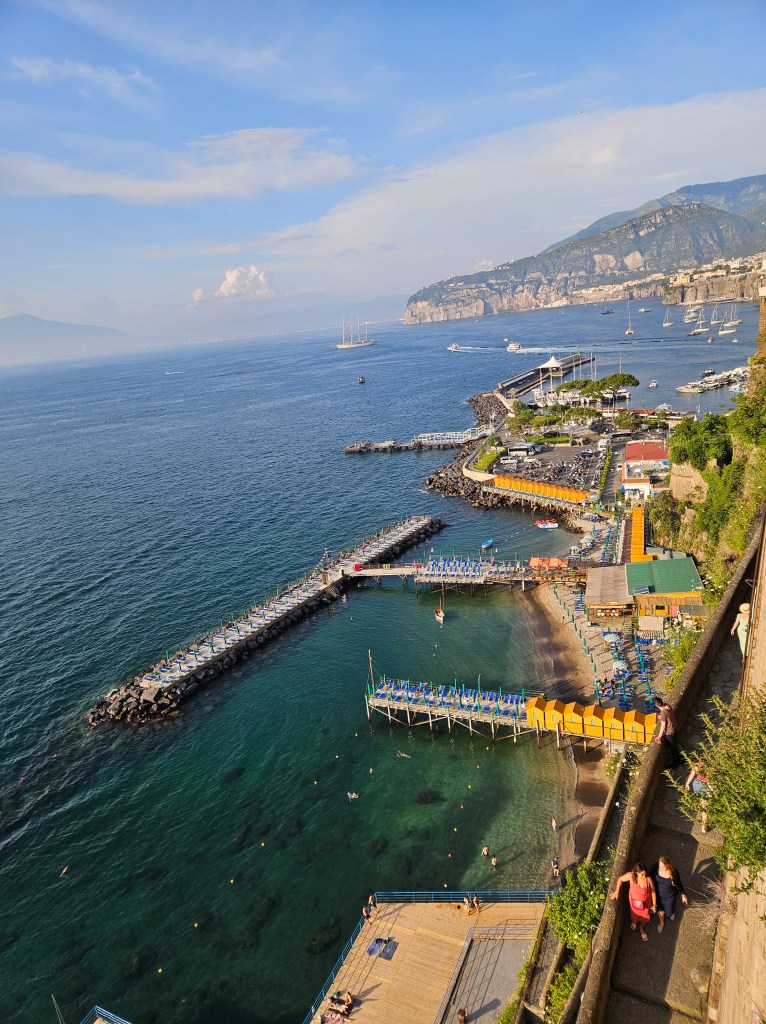
Meanwhile, a boat trip back around the peninsula to Sorrento offers plenty of man-made structures from which you may wish to indulge in dangling your ‘string on a stick’ trap for catching the more stupid of local fish.
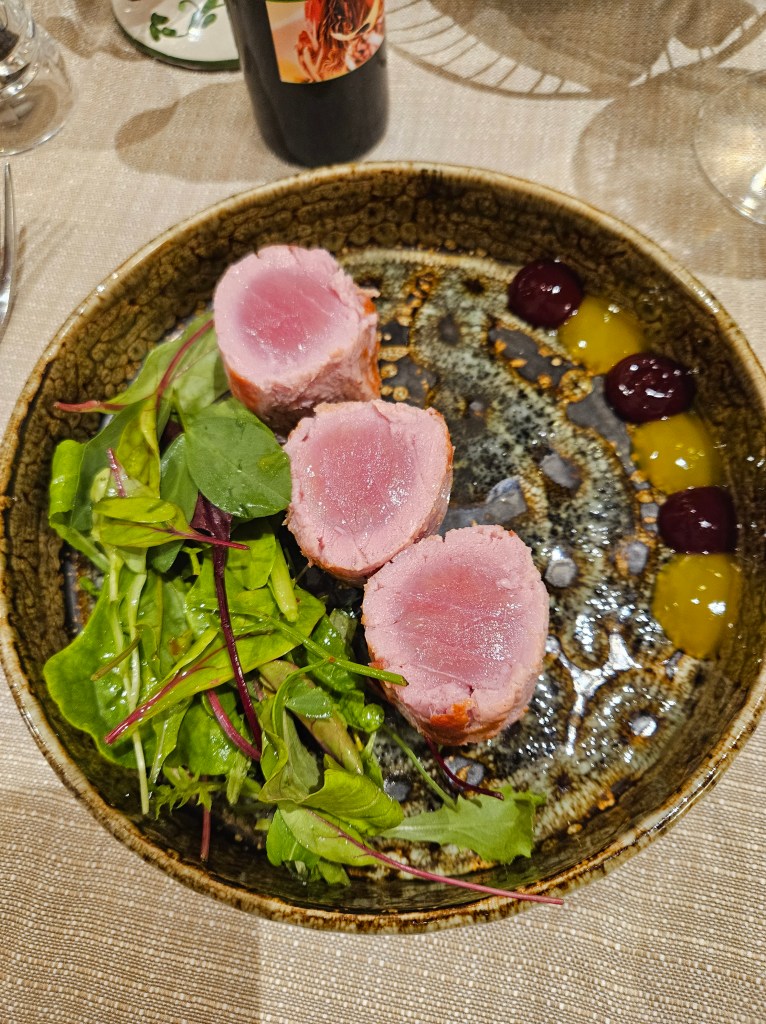
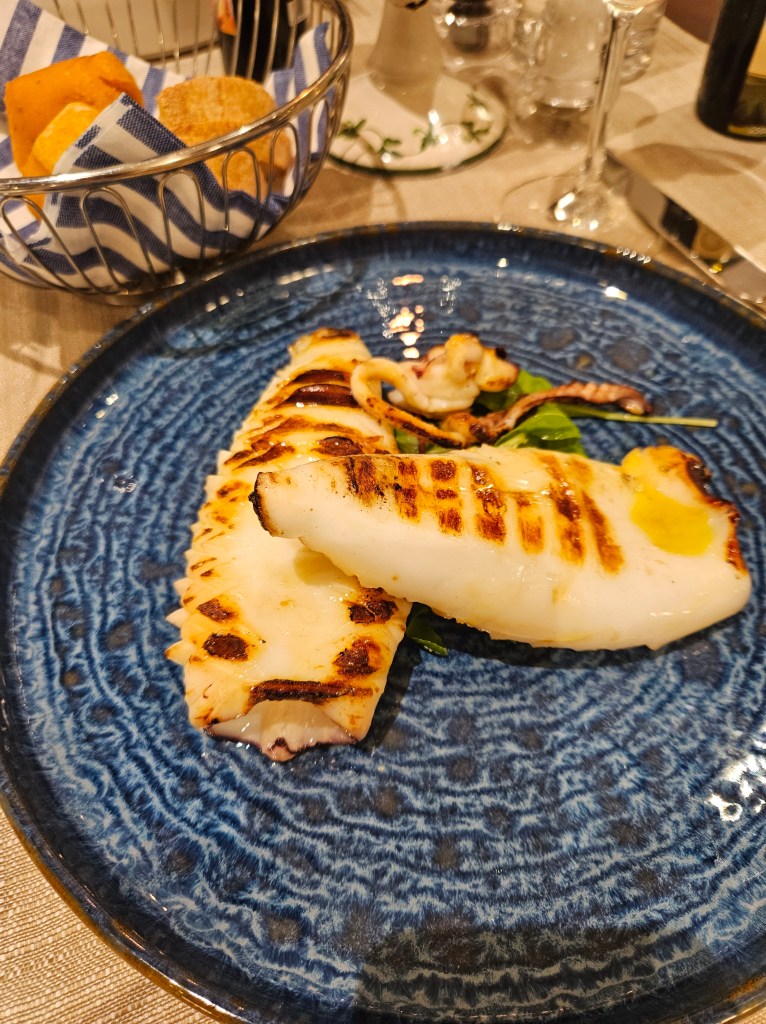
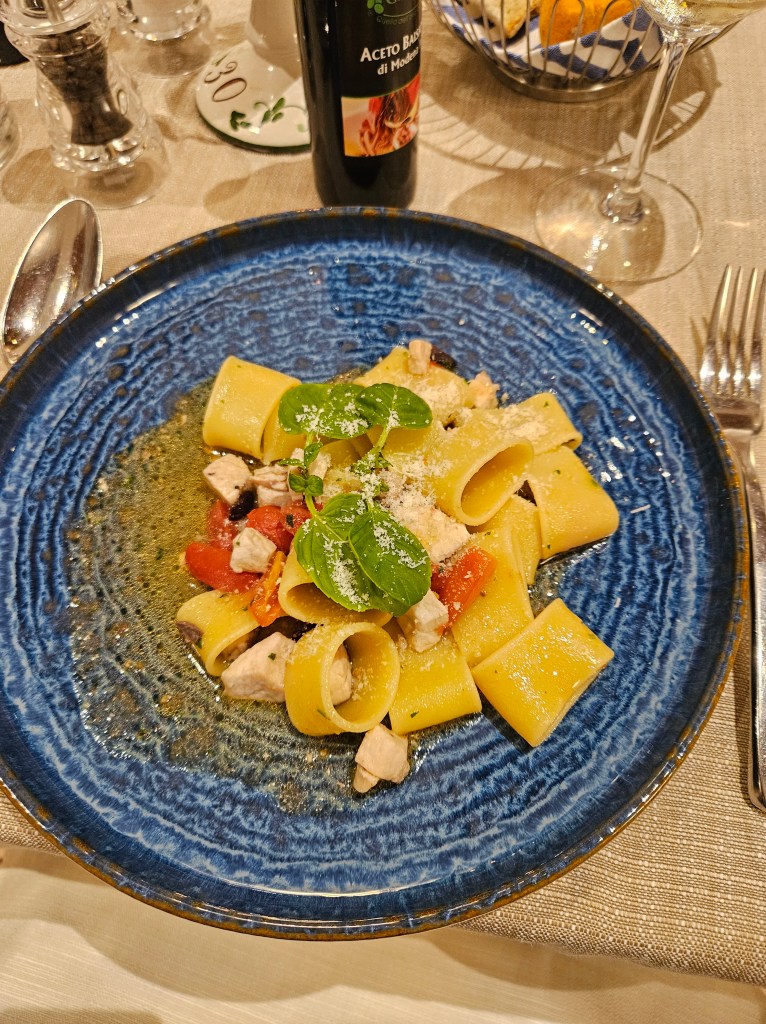
While the adventurous were finding ways to source their own sustenance, we preferred to respect the more interesting and apertising welcome offered by a trinity of tuna, grilledcalamari, and swordfishpasta…
Until we speak again, carnivores need not worry. Should you drift on by the amazing coastline of southernItaly, you will be catered for with the same vigour and probably a collective sigh of relief from the local fish population!