Less is more

So the cliche goes… but for a good reason. Regulars here will know I like a short and focused menu when enjoying a good restaurant. Buenos Aires Argentine Steakhouse in Chiswick, west London hits the spot perfectly.
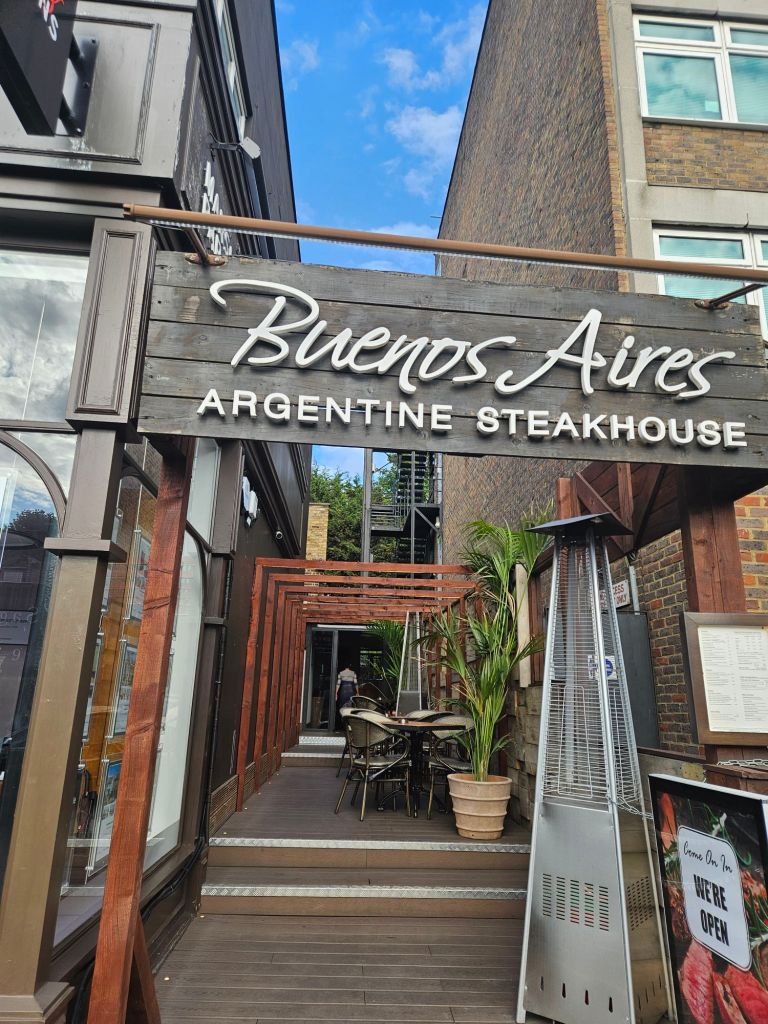
I’m not counting, but I wouldn’t be surprised if they had more Malbec red wines than starters or mains (but not combined)…
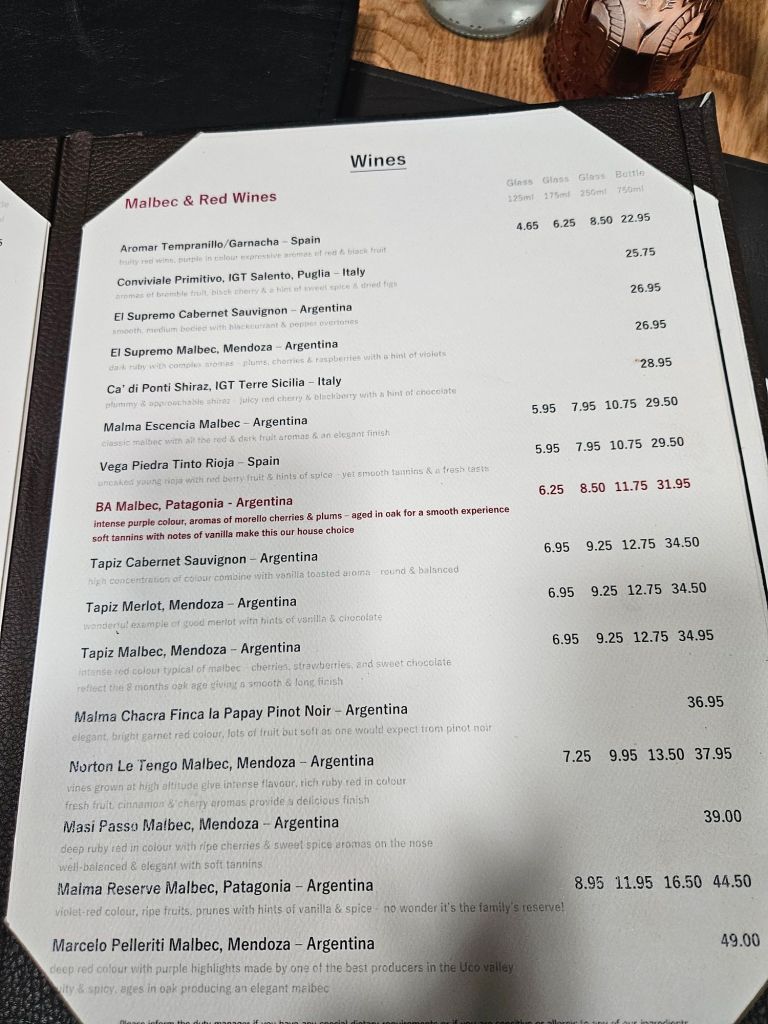
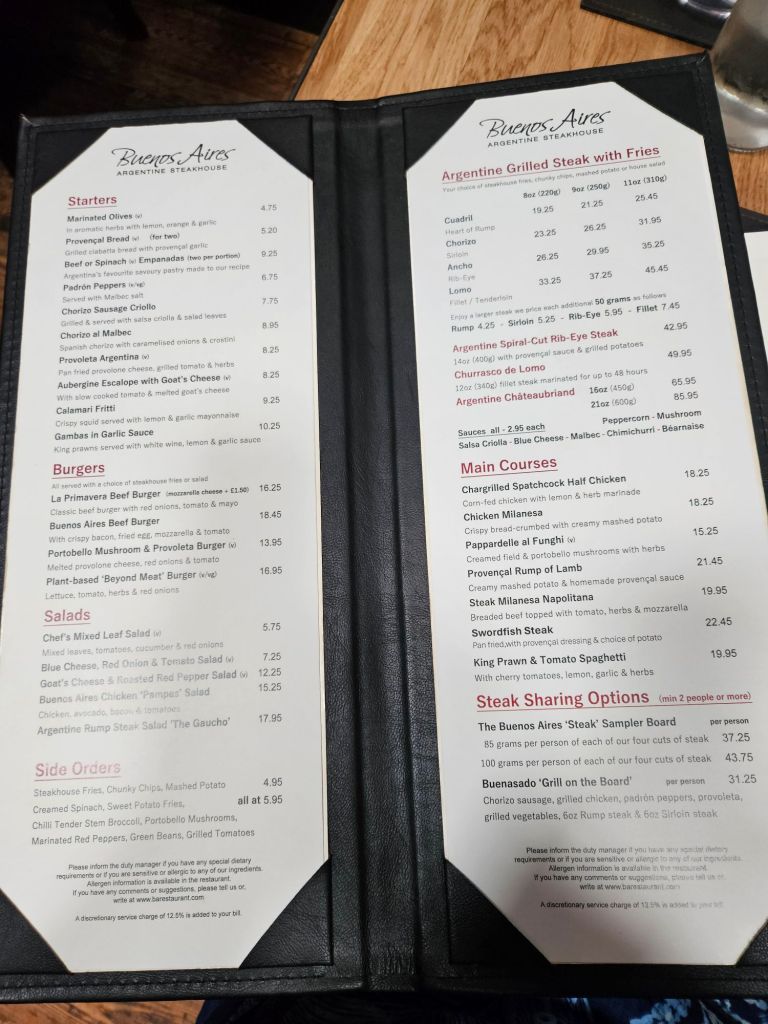
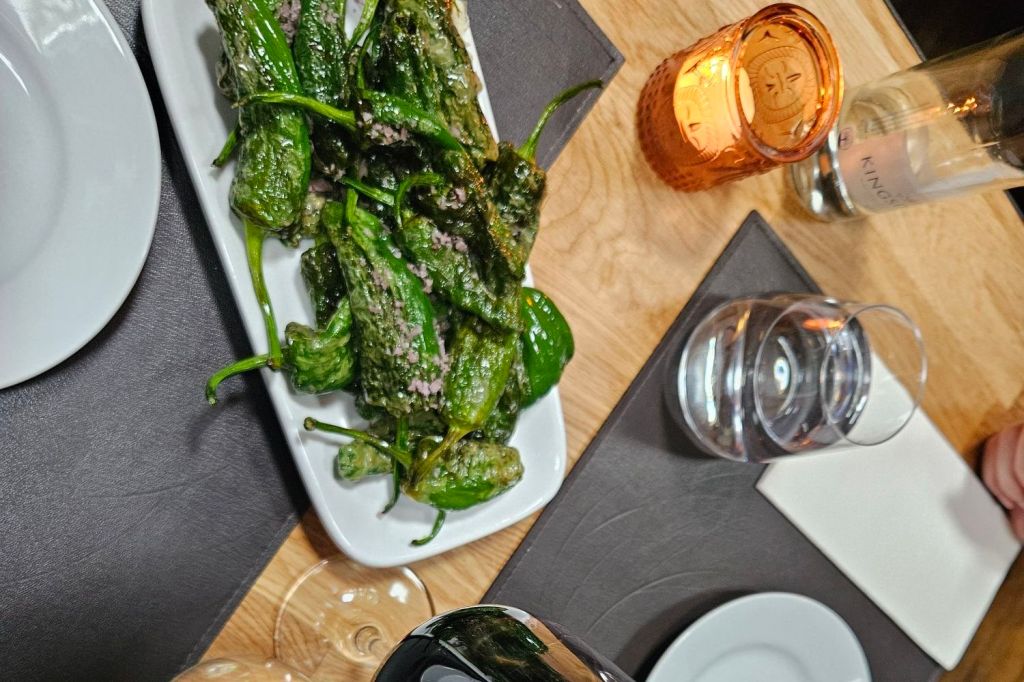
However, what they also have are some fabulous Padron Peppers (with Malbec salt, of course); nicely continuing my Padron Peppers World Tour following a recent revisit to Alegoria restaurant in Barcelona!
And, the most perfectly succulent medium rare Fillet Steak, I just had to add the Patagonia Malbec Reserve for a simply magical Sunday afternoon meal.
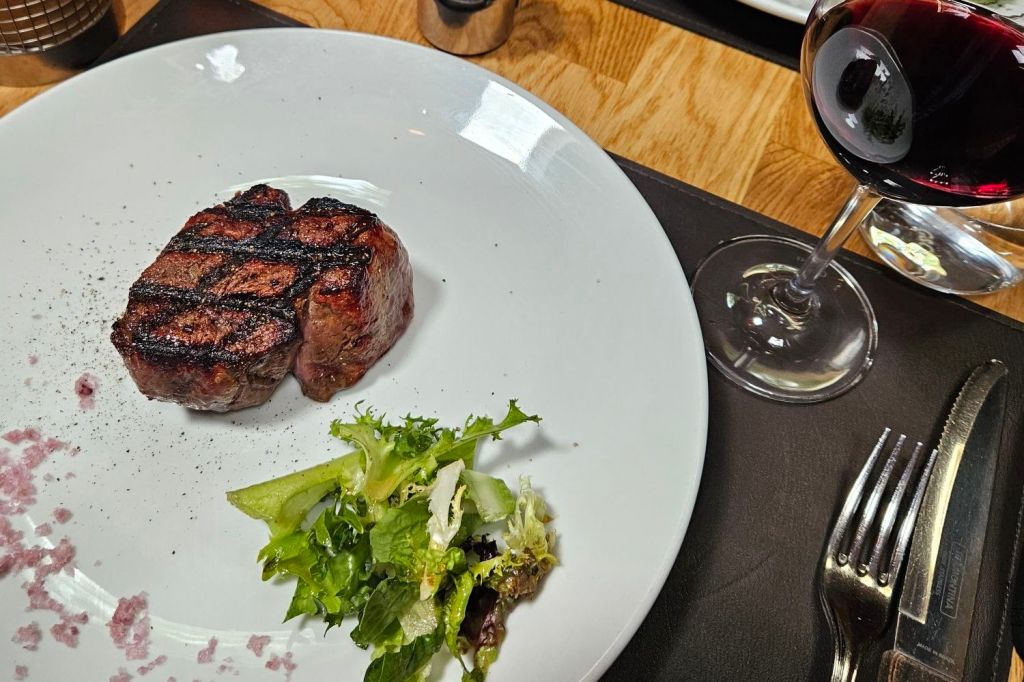
The chunky chips and peppercorn sauce just added to the shear culinary delights.
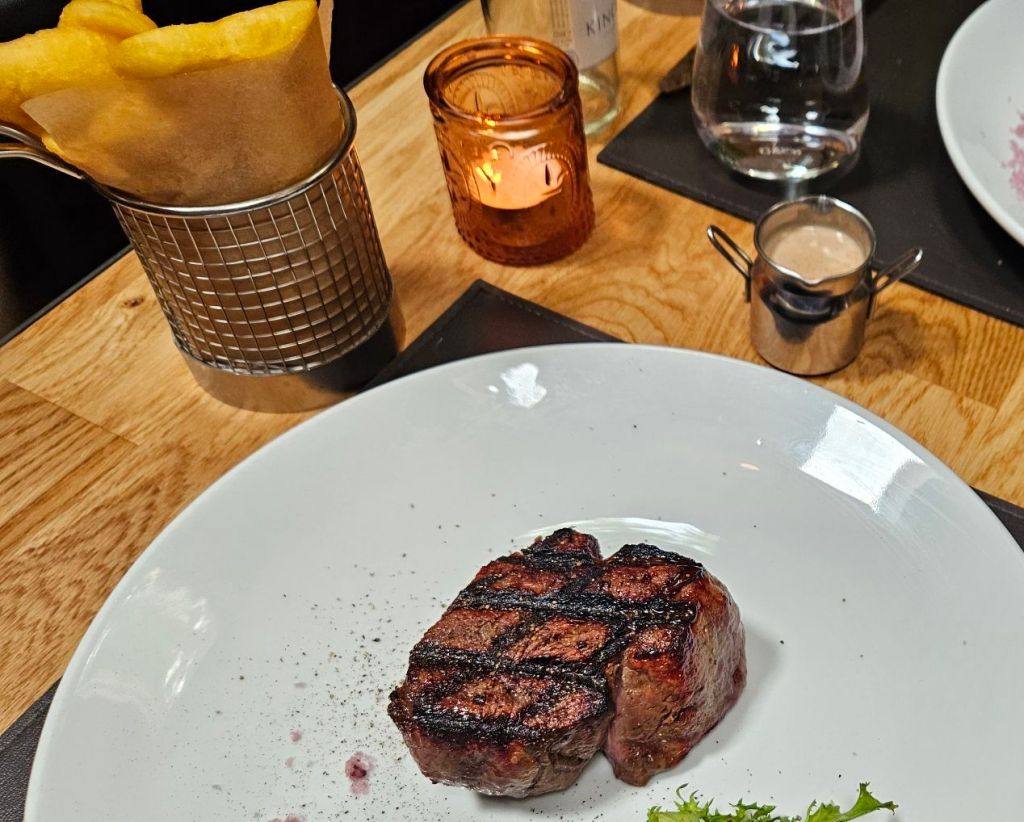
Until we speak again, move over Gaucho, there’s a new Argentina favourite on the block.
Man-made trees

Nature may well provide us with the most awe-inspiring beauty (woke apologies to the right wing bigots who simply don’t understand such concepts). It also provides the influence for breathtaking man-made inspiration.

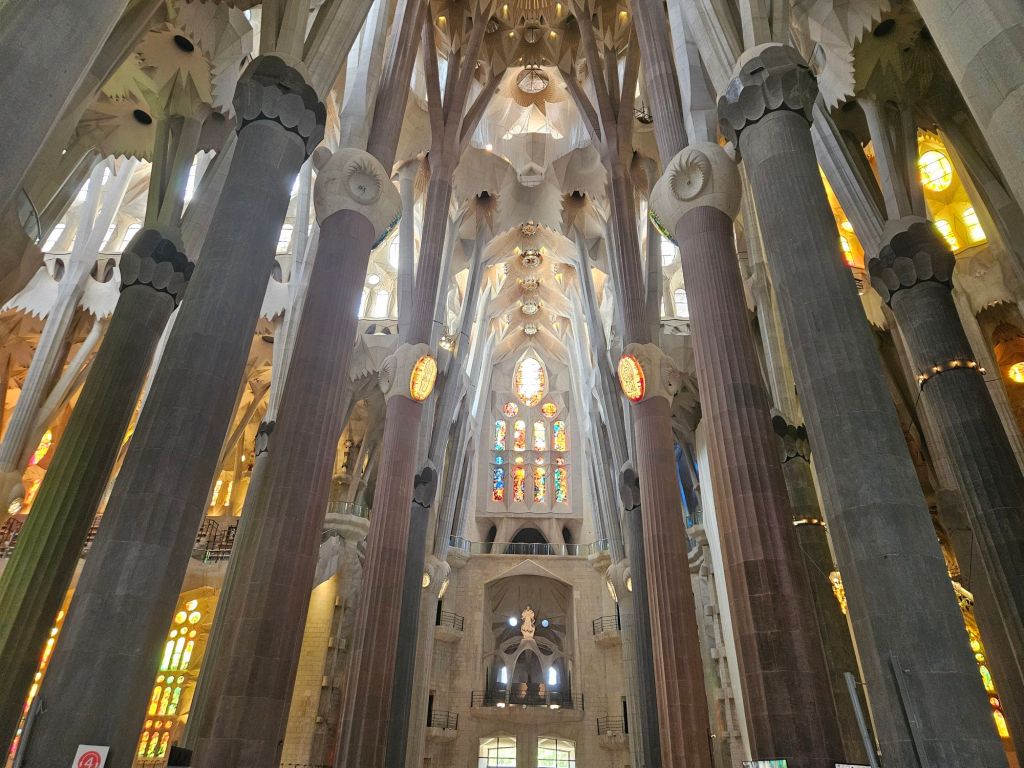
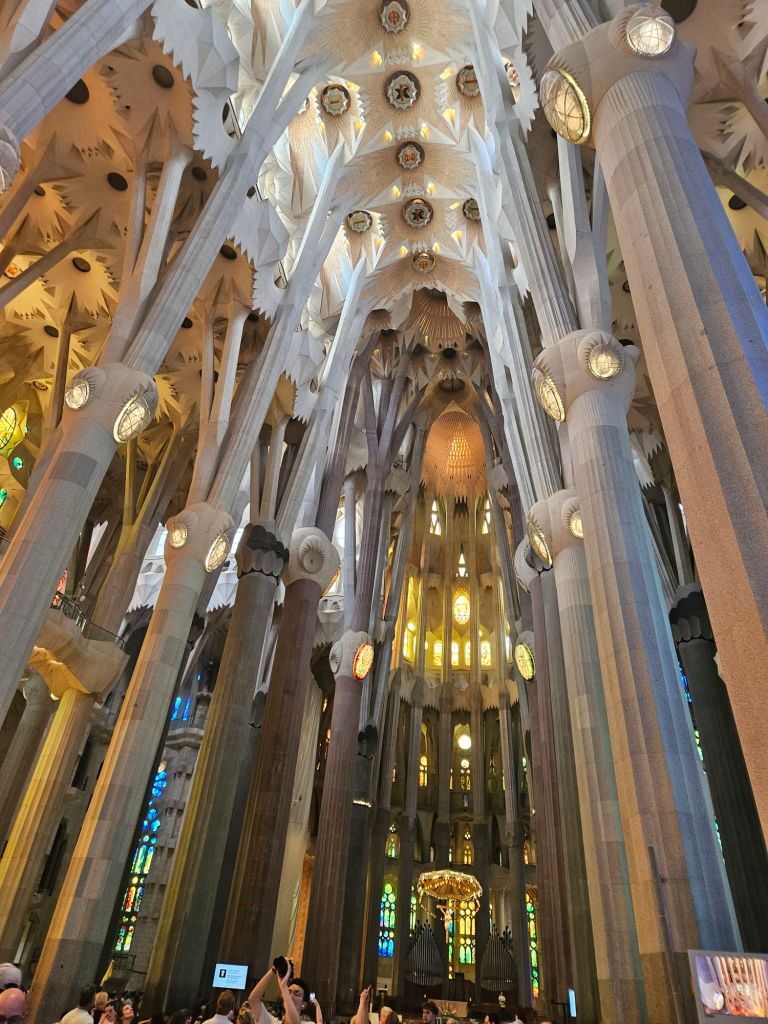
Gaudi is known for a particular style of architecture as seen dotted liberally around the fine city of Barcelona. But, do we recognise the influence nature has as a central feature of his designs?

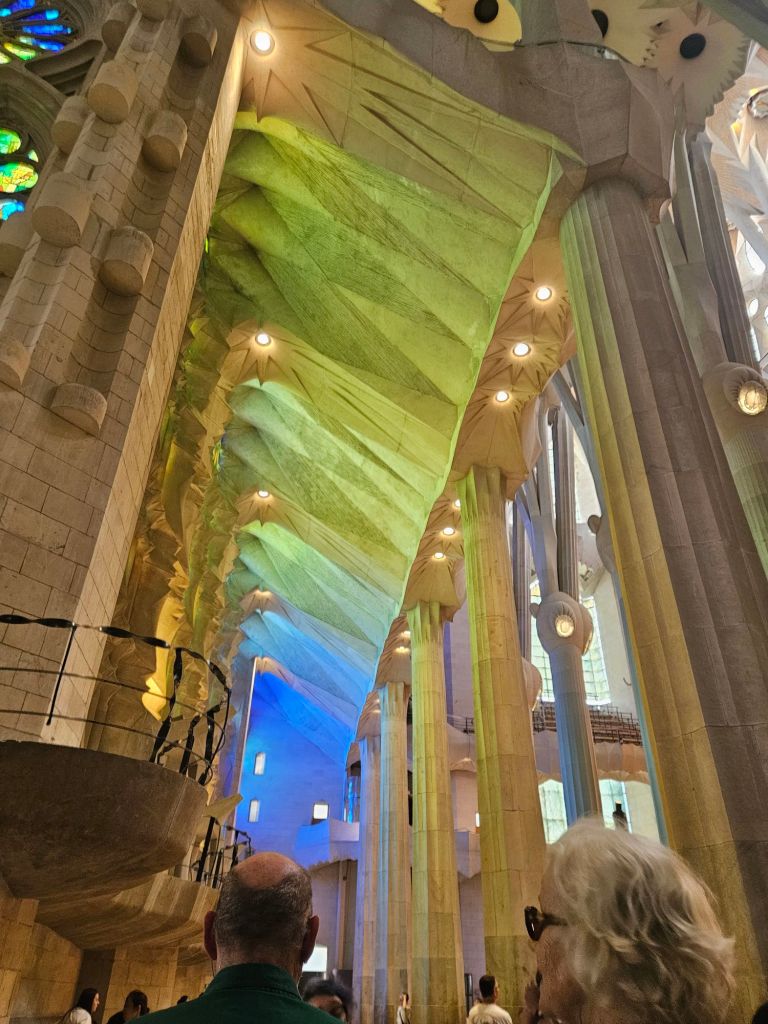
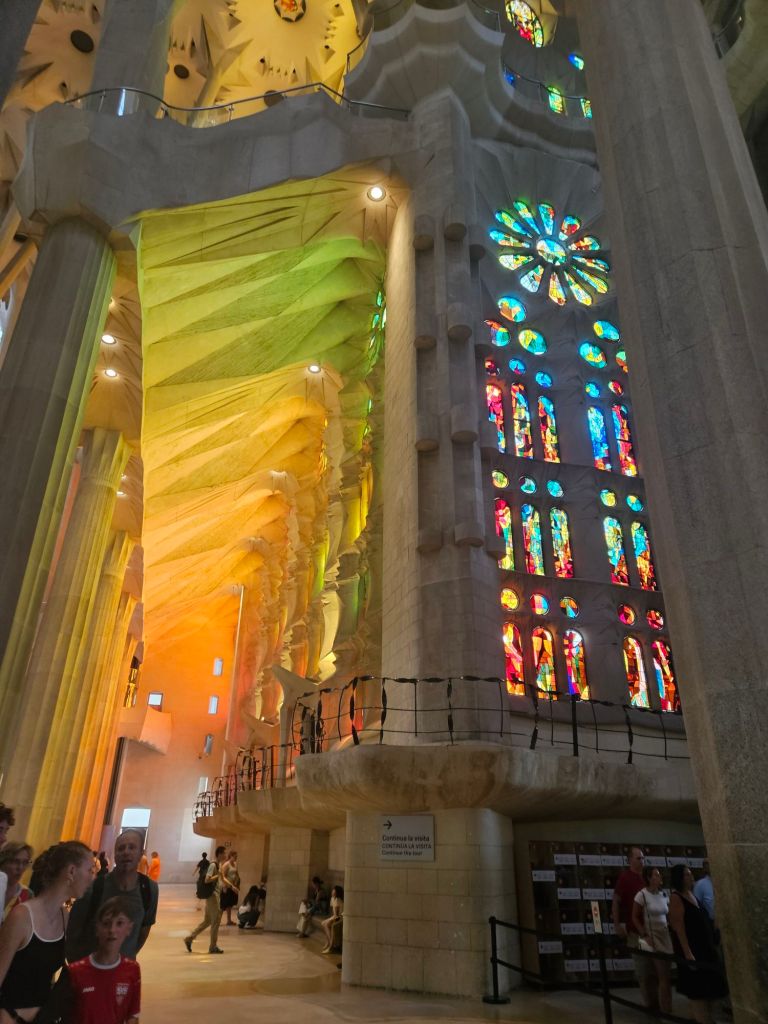
In the still incomplete La Sagrada Familia, the tree influences the dominant strength of the whole structure…

The playing with light also provides a constantly shifting natural life within the ongoing construction. Gaudi demonstrates a distinct sensitivity not only to the religious aspects of constructing an iconic cathedral, but also to our relationship to nature…

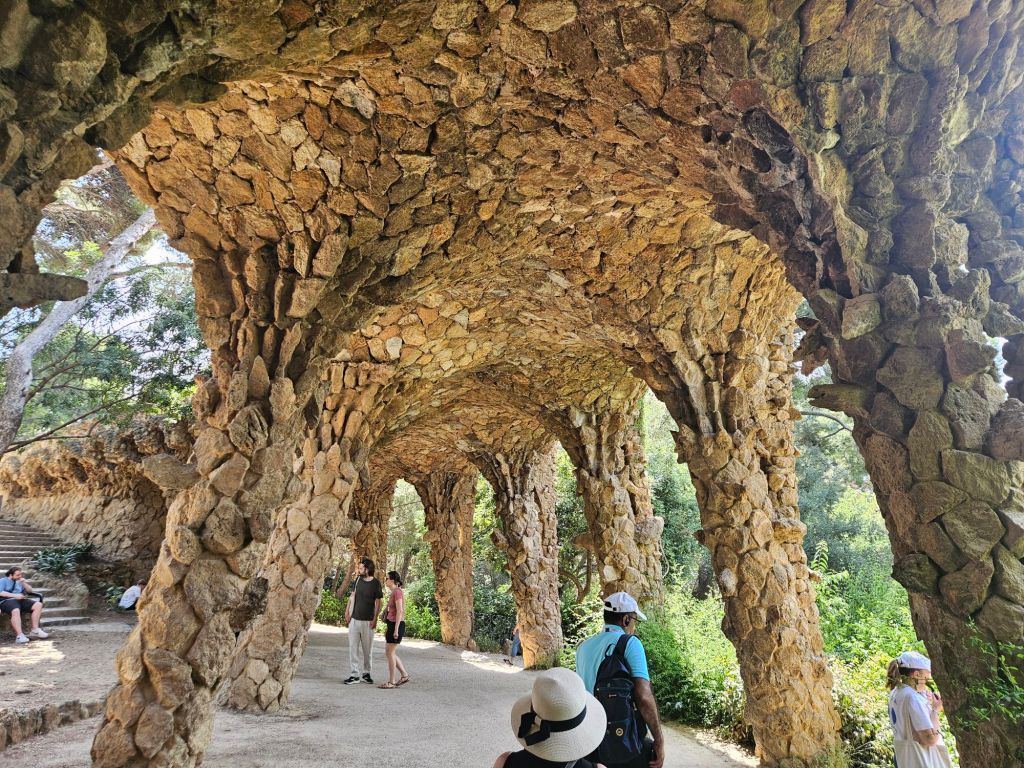
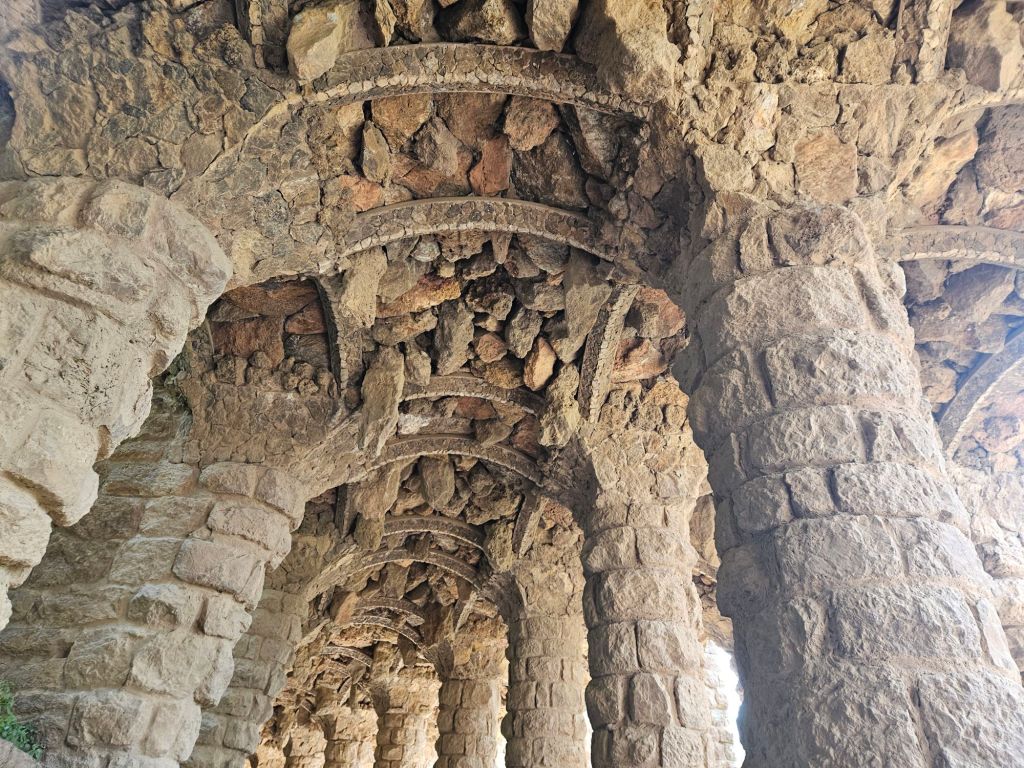
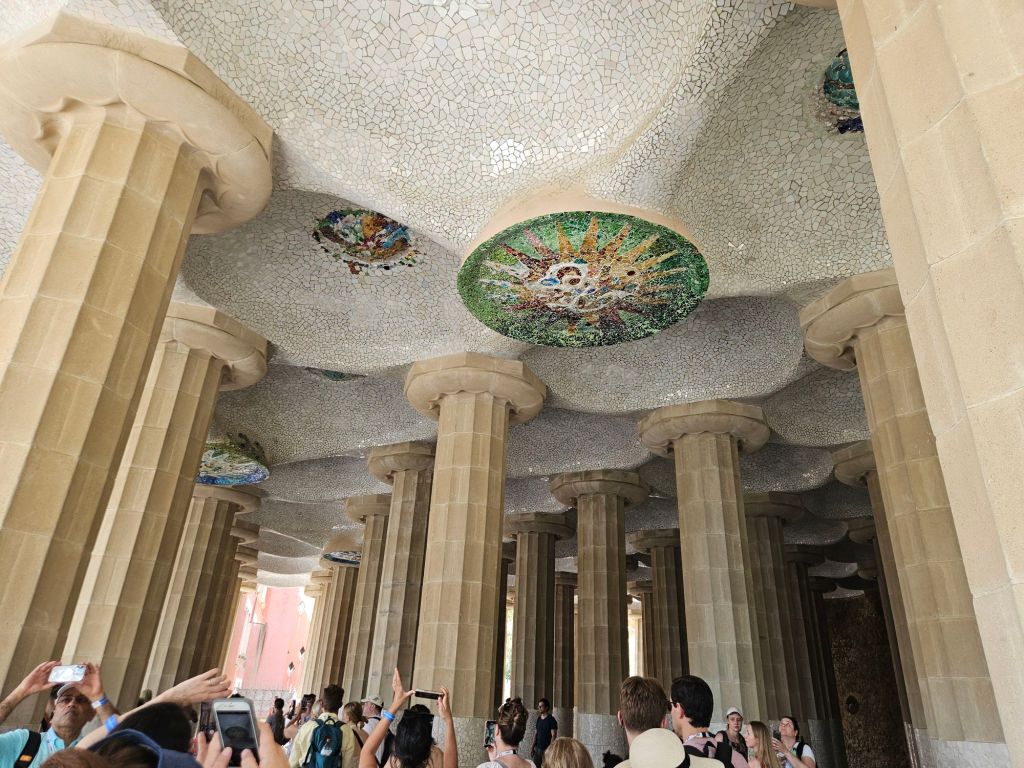
However, even in Park Guell, a truly nature inspired creation, the presence of trees within the design of structures is abundant. As seen in the viaduct structures at points around the park…

Until we speak again, if you must go to Barcelona as a tourist don’t forget your umbrella… but not because of the likelihood of rain. The locals are in rebellious mood these days. The focus of their ire has shifted from the interesting concept of Catalan independence to acting against over-tourism by squirting water over tourists. Now, if they would only learn to throw some of that lovely wine, I might linger around a little longer!

Memories of Krakow

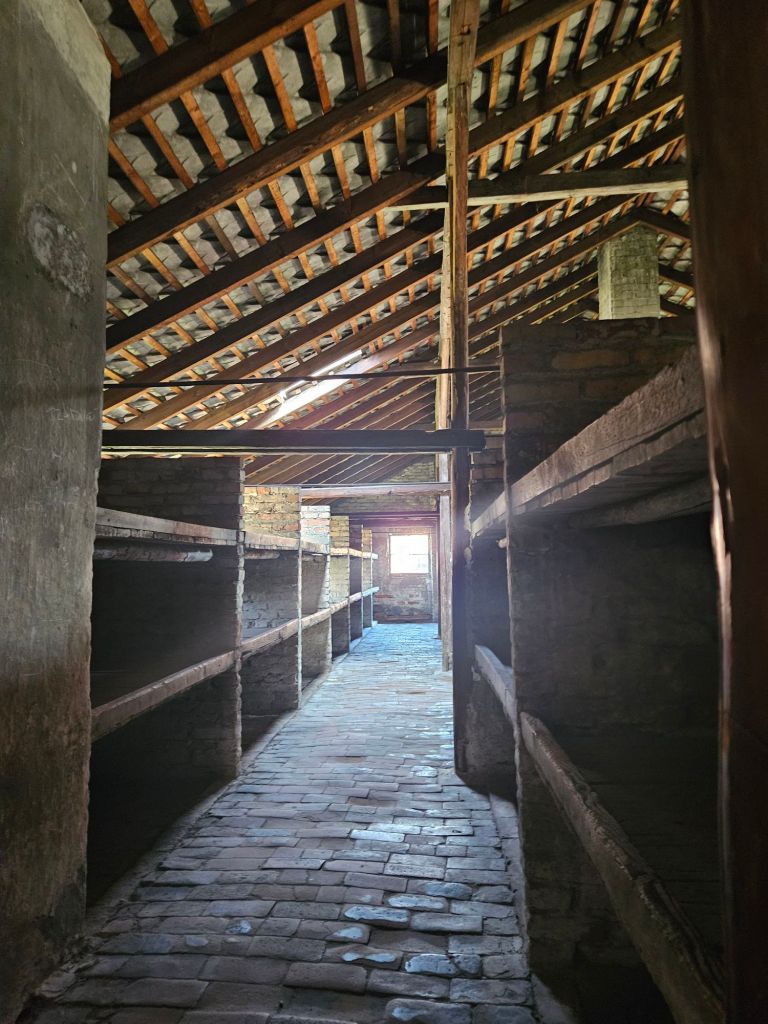
It’s difficult to address the subject of Krakow without a mention of Auschwitz Birkenau

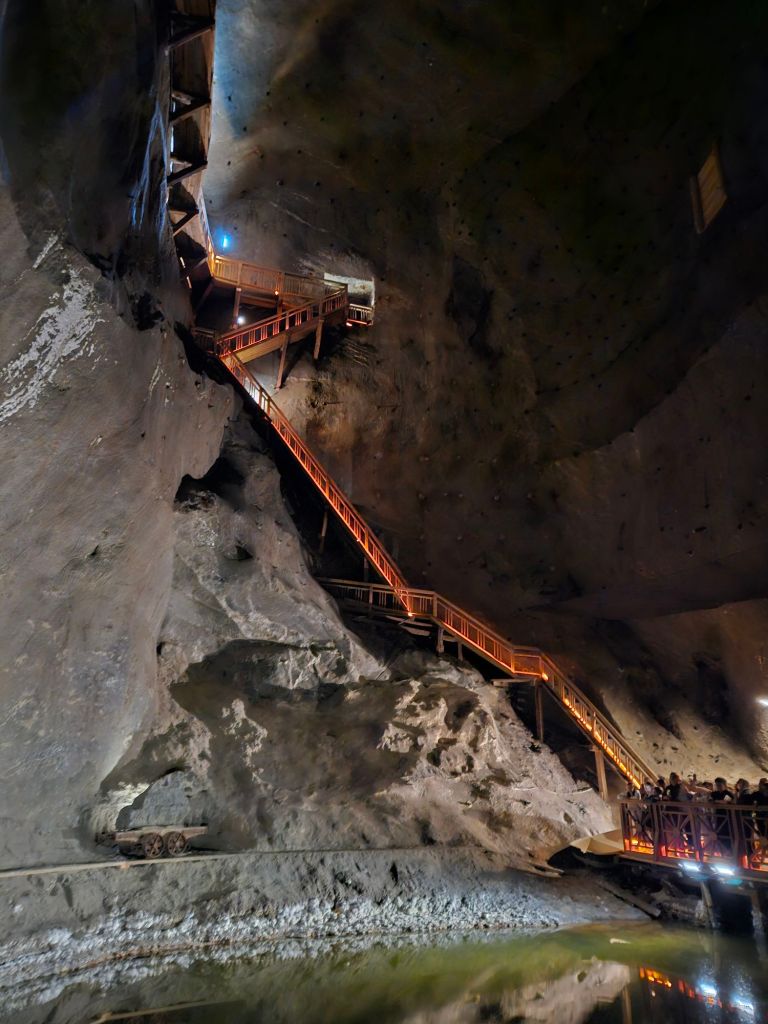
Or even the Wieliczka Salt Mines

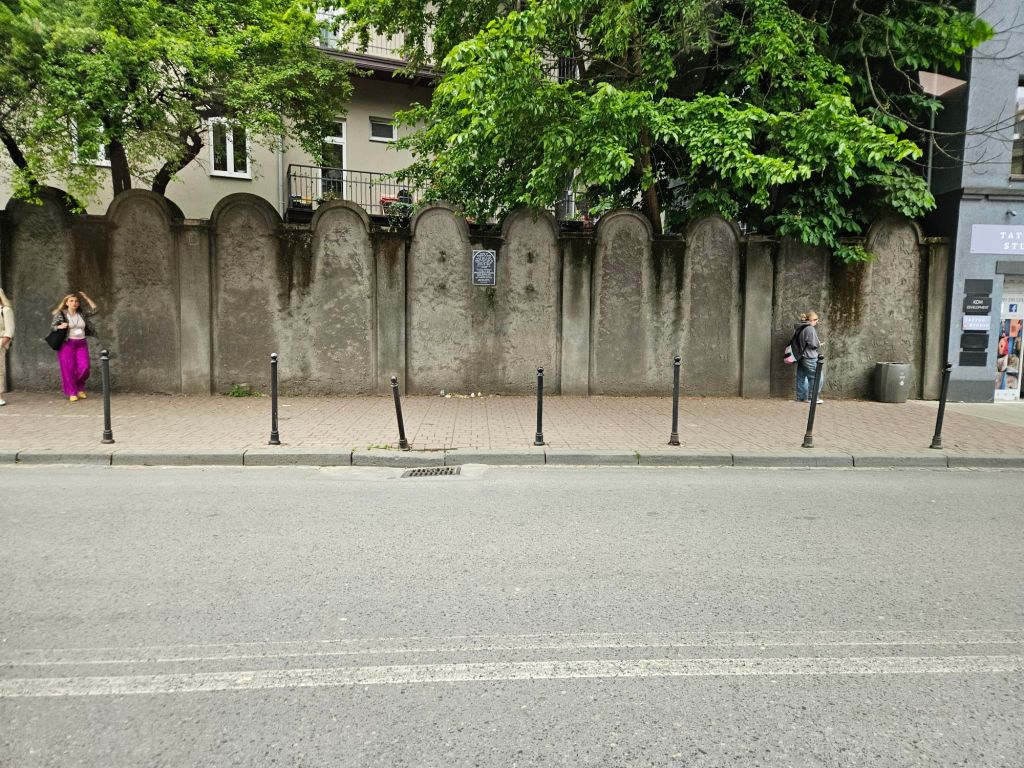
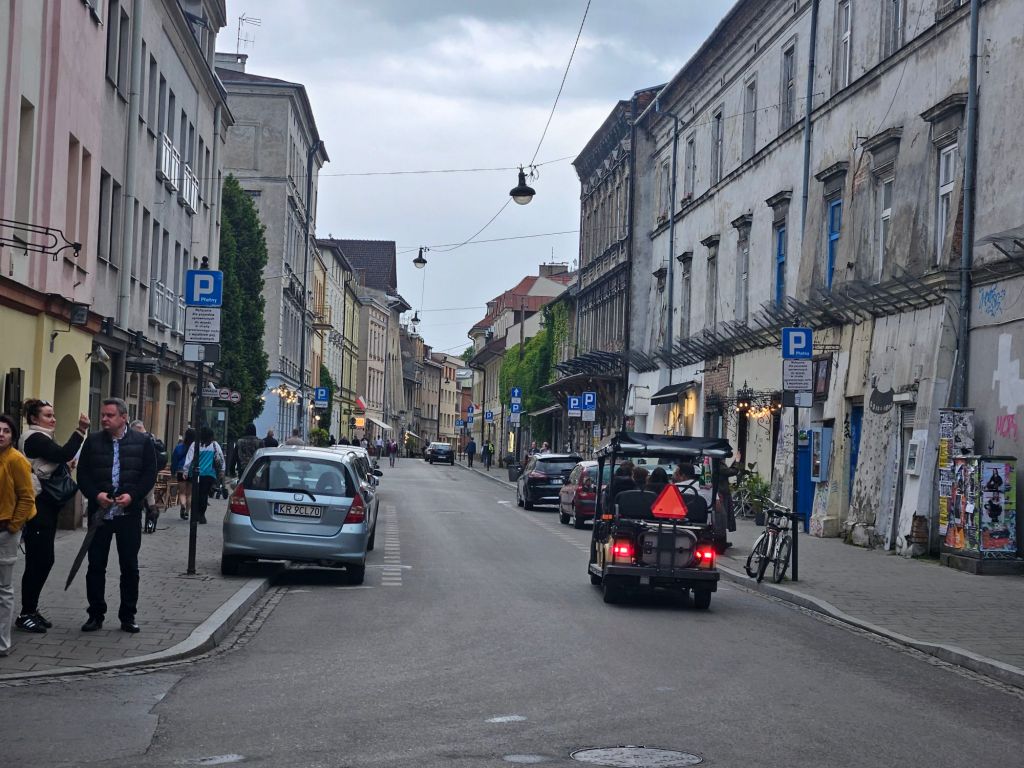
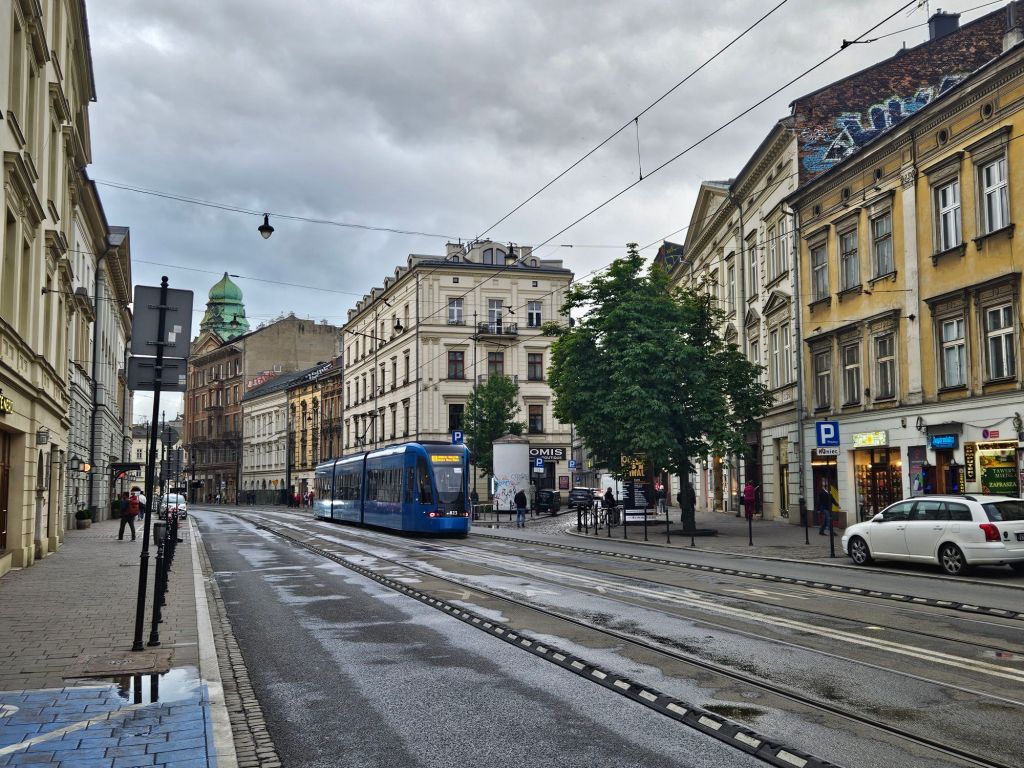
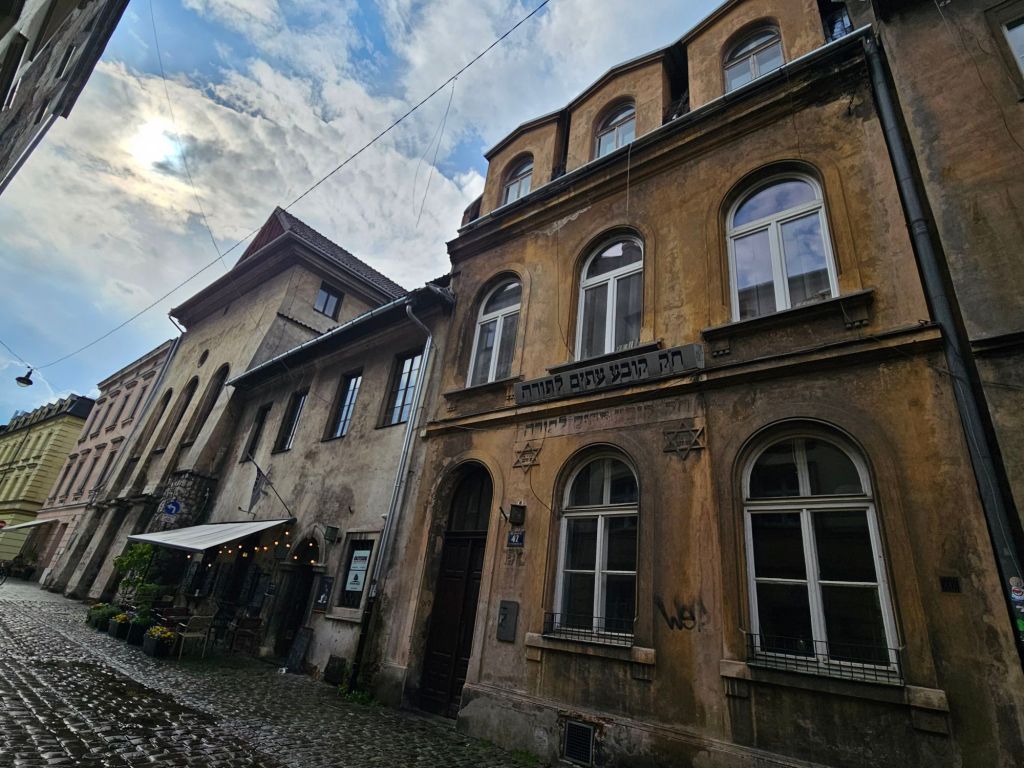
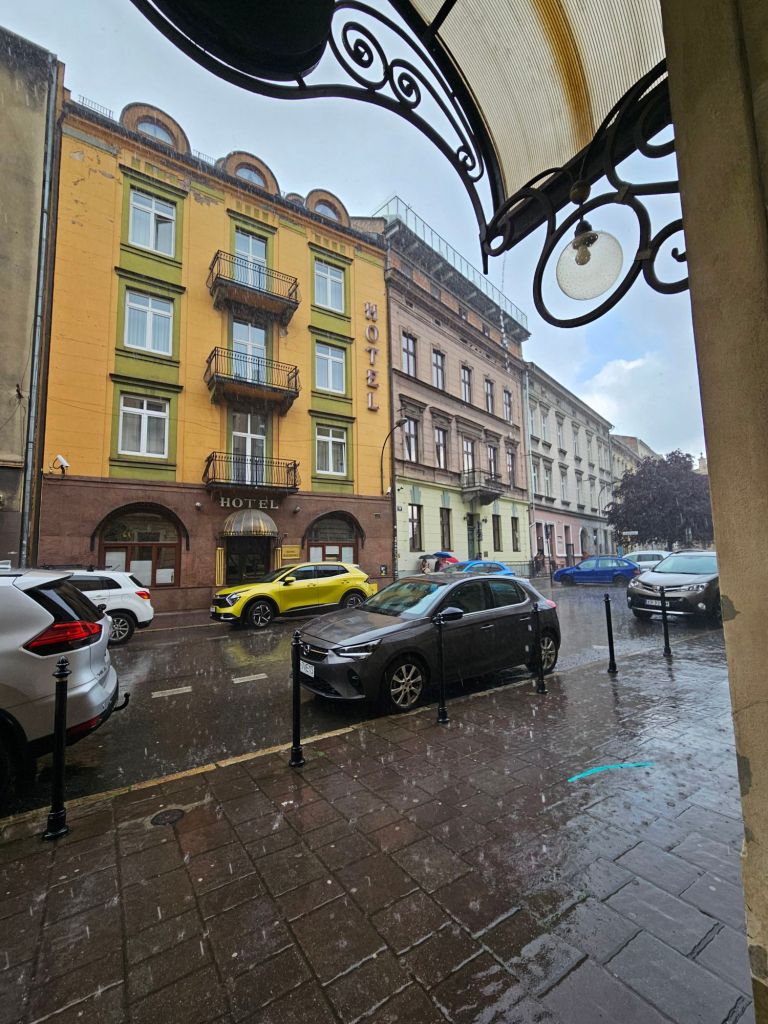
But an abiding memory of my recent visit is of Kazimierz… the vibrant Jewish quarter before everyone was either murdered or herded into the smaller neighbouring Podgorze ghetto. All that remains of the ghetto walls is the tombstone-like section in Podgorze

As for Kazimierz, it’s now once again a thriving area of young people and tourists enjoying cafes, restaurants, and music venues.

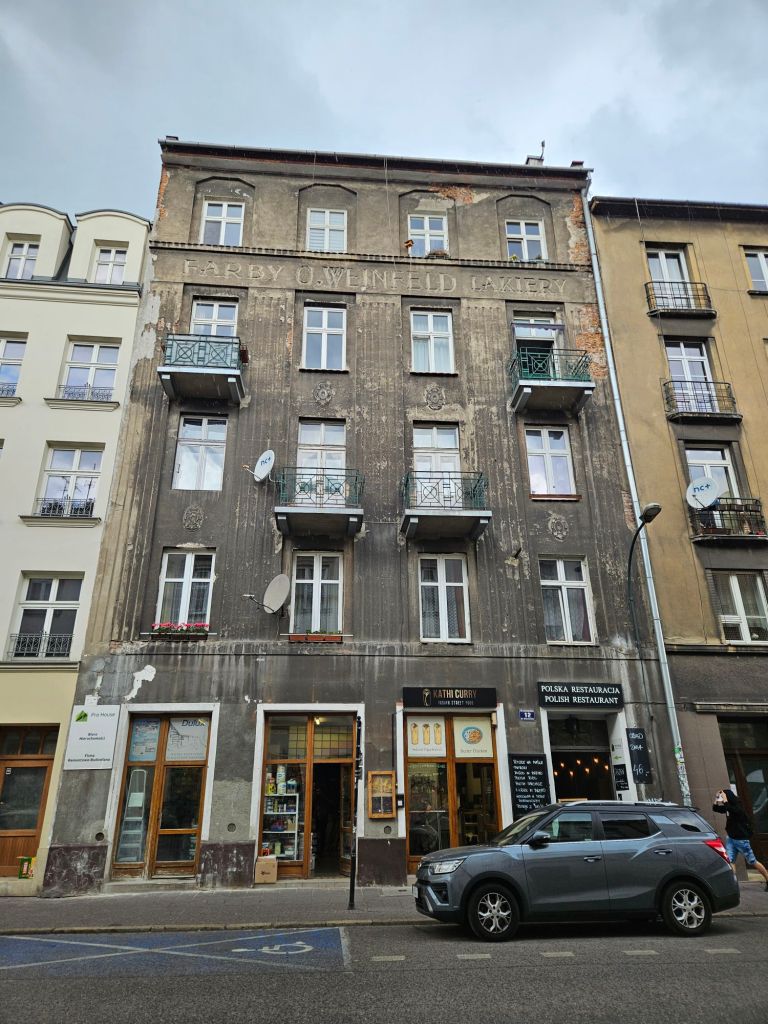
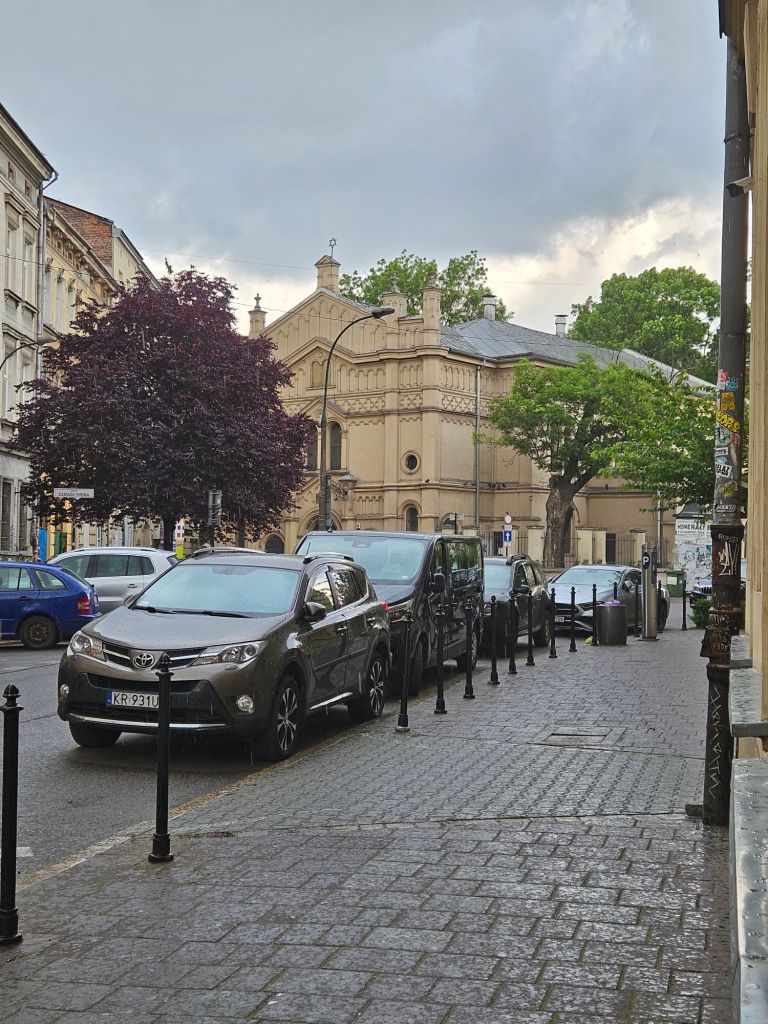
However, many signs of its Jewish history haunt the atmospheric streets…

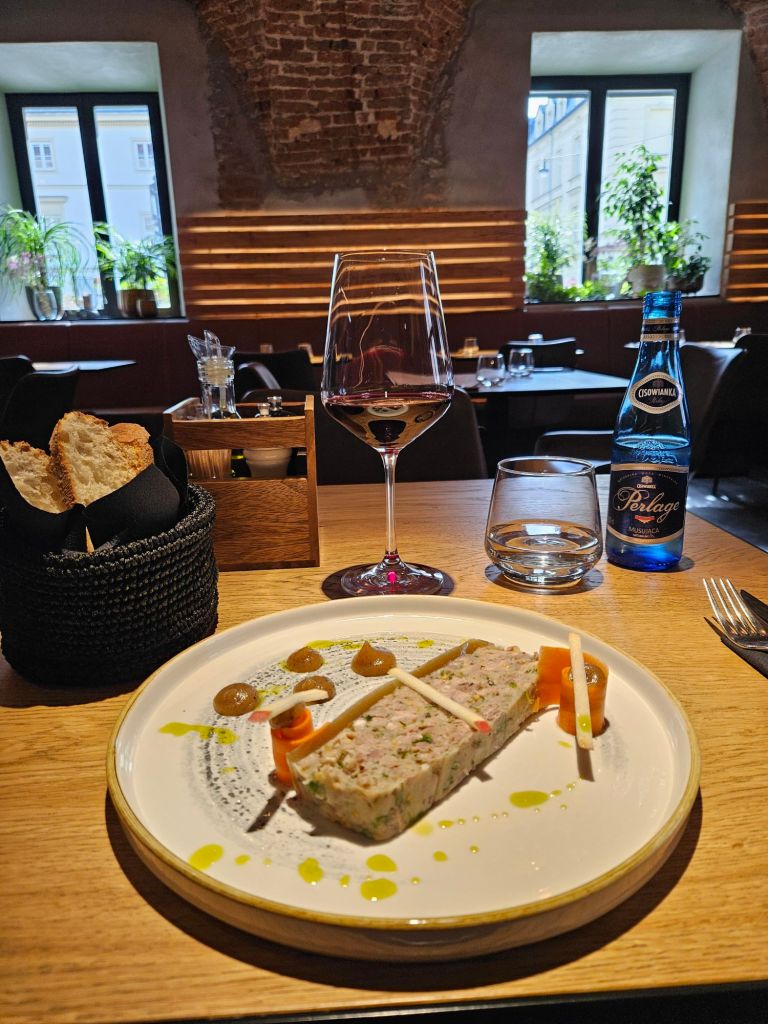
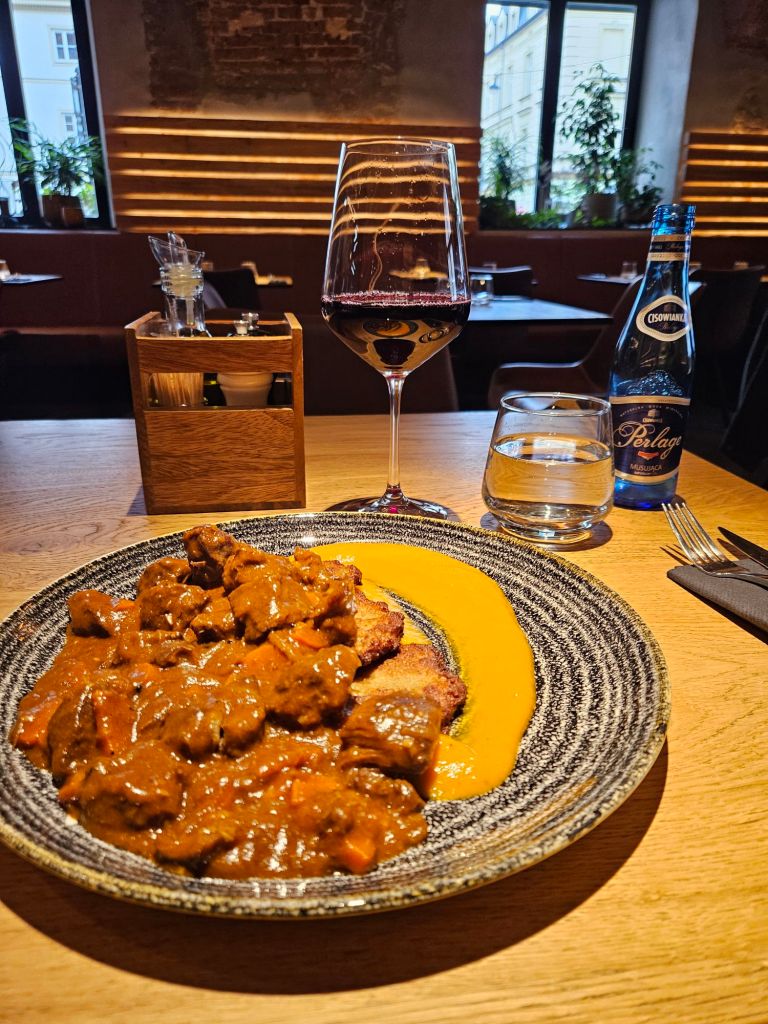
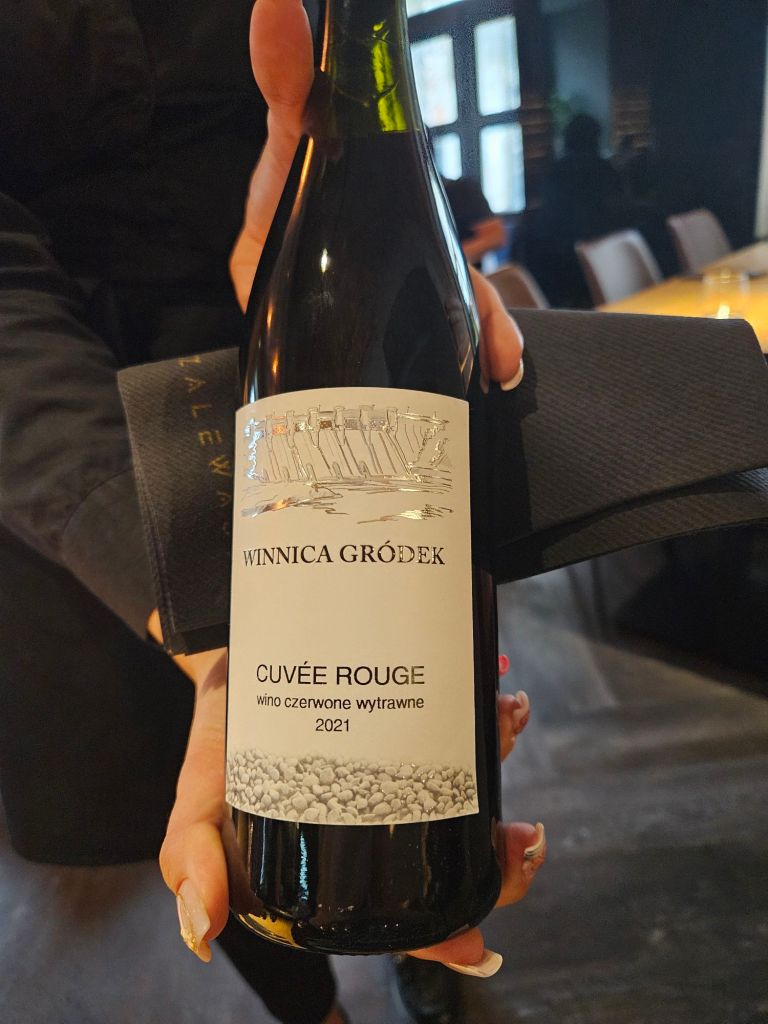
As for eating, the choice is abundant. My recommendation goes for some traditional fine Polish cuisine at Zalewajka. The pork knuckle terrine, potato cakes with wild boar goulash, and house Polish red wine provided a fine feast to mark my visit.

Until we speak again, Kazimierz offers a warm welcome… but don’t forget an umbrella!

History reborn

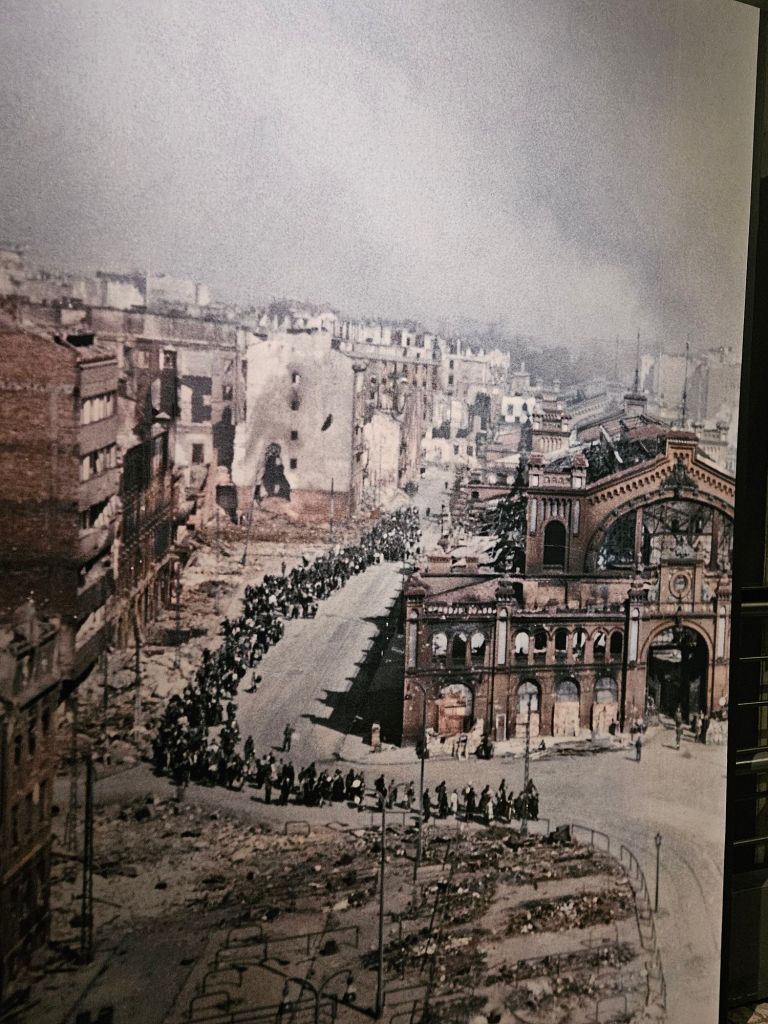
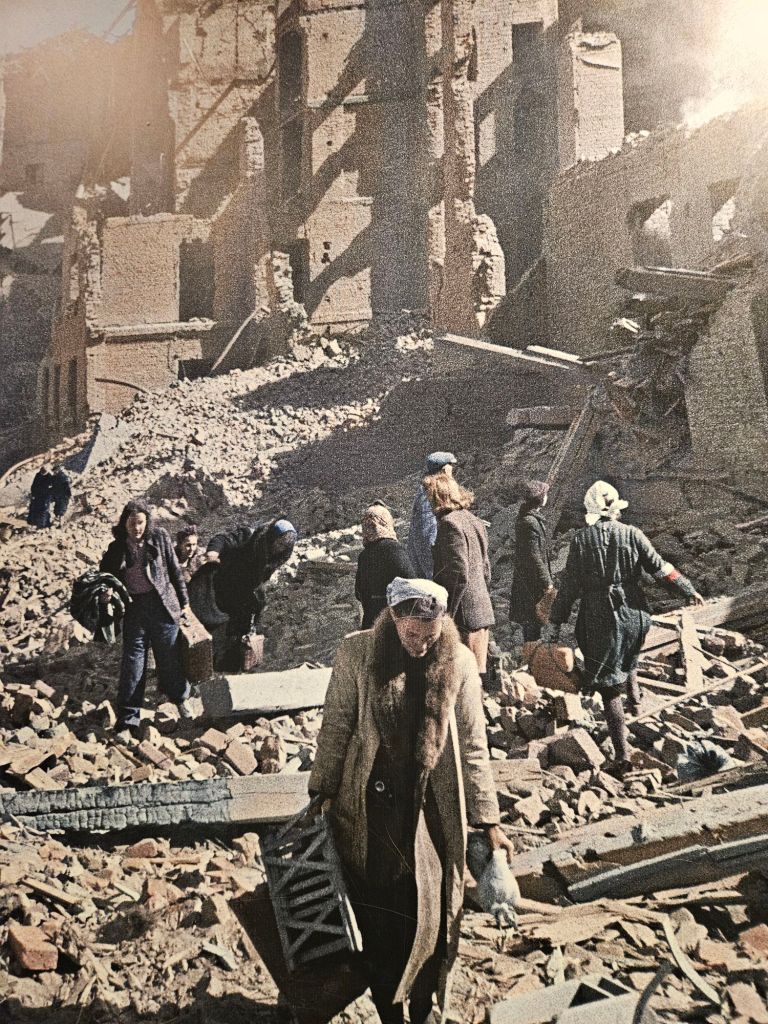
Current day Stag & Hen do’s have nothing on the Nazi’s when it comes to leaving a place wrecked after a visit…

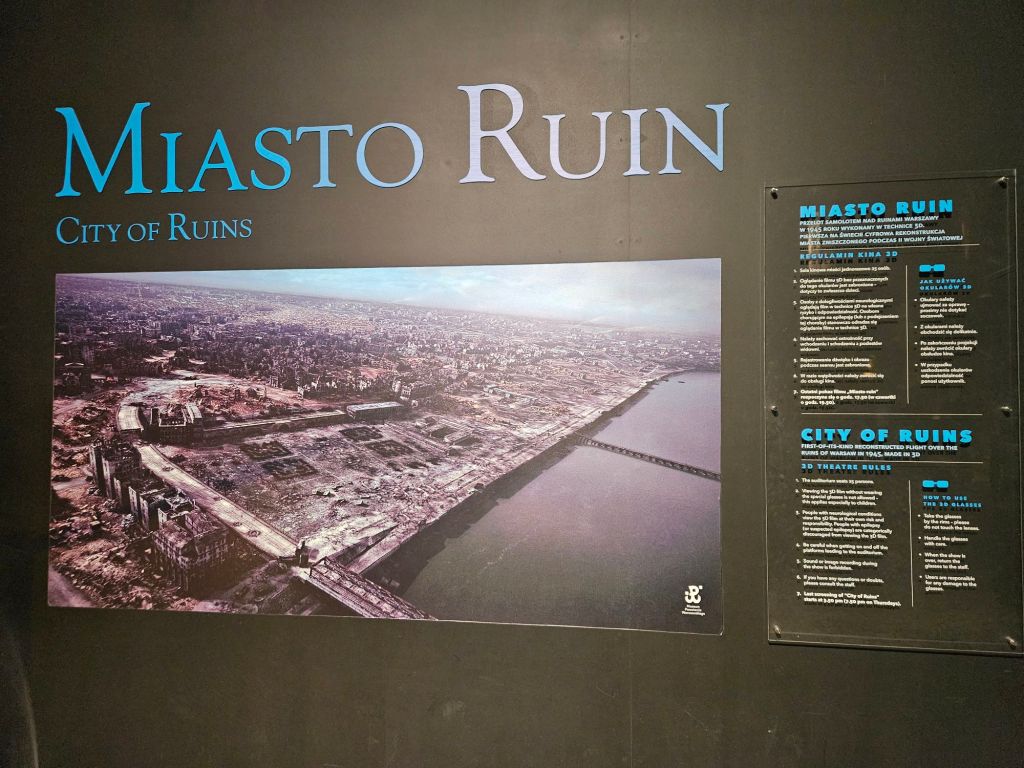
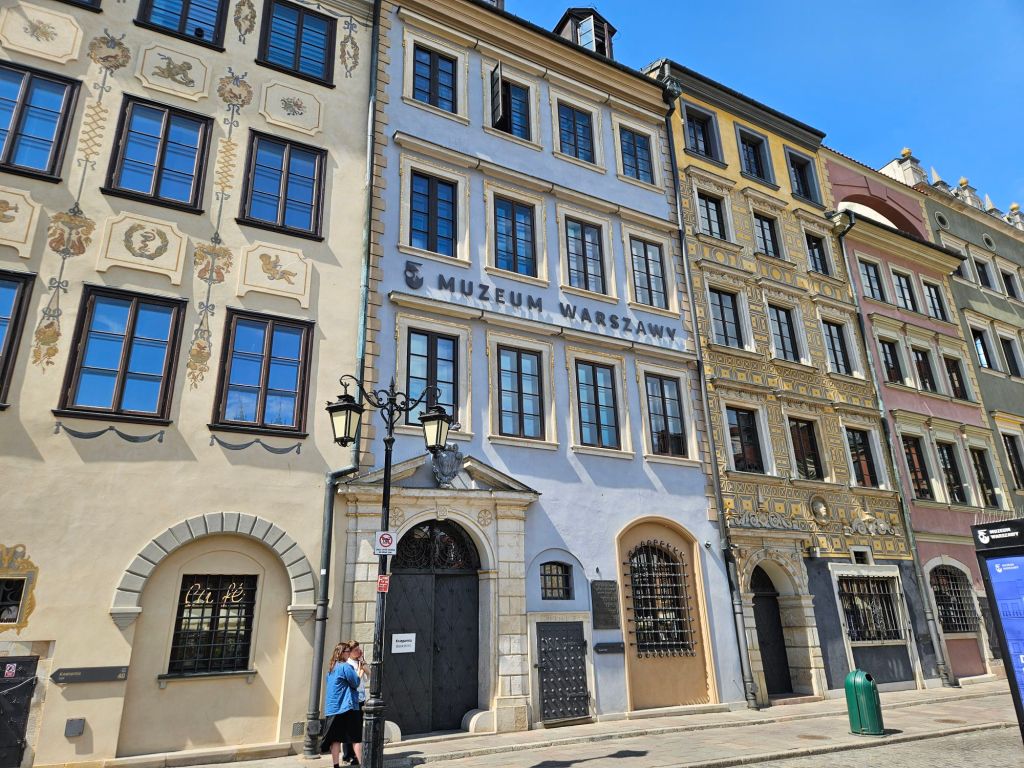
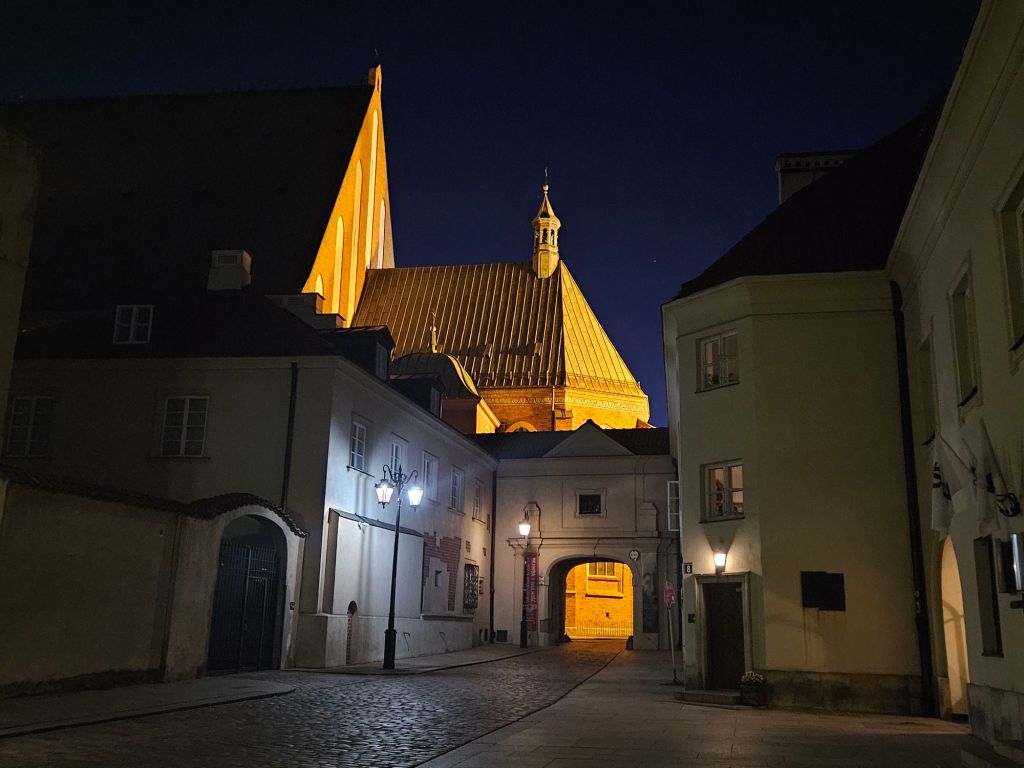
On a recent visit to Warsaw, I was so happy to have visited both the Museum of Warsaw and the Warsaw Museum of Uprising. Combined, they provide a chilling reflection on the scale of shear destruction inflicted on this city.

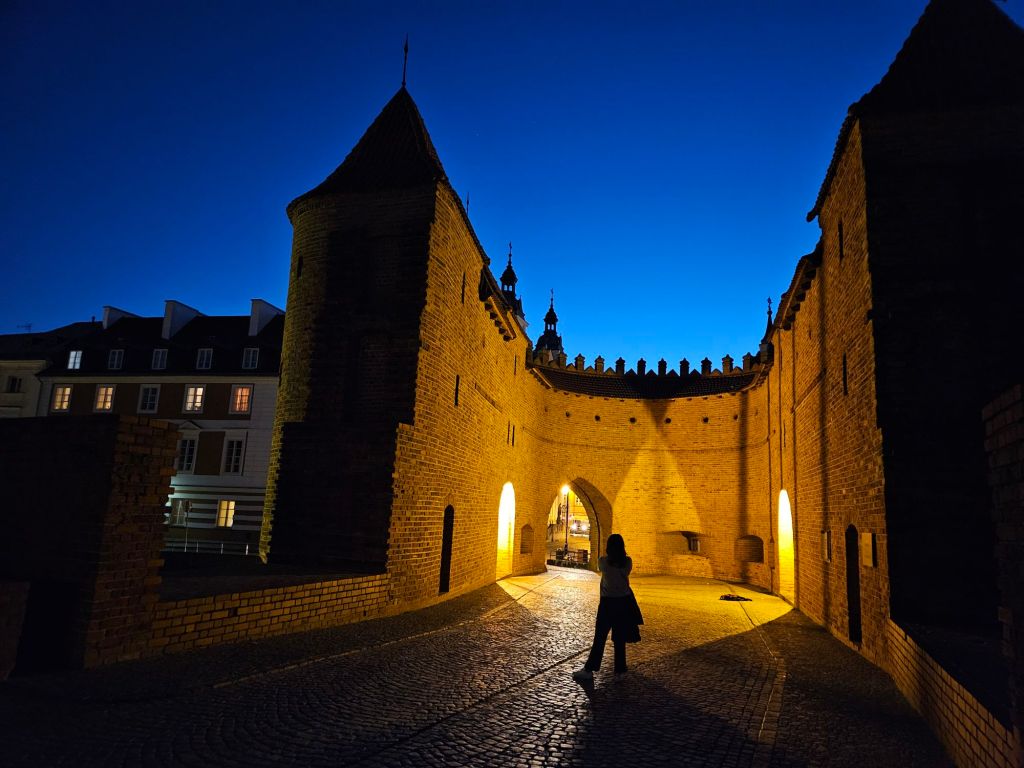
However, they also provide the beacon of hope when we see what can be achieved in reconstruction using remaining photographs and plans the evil occupiers failed to destroy.

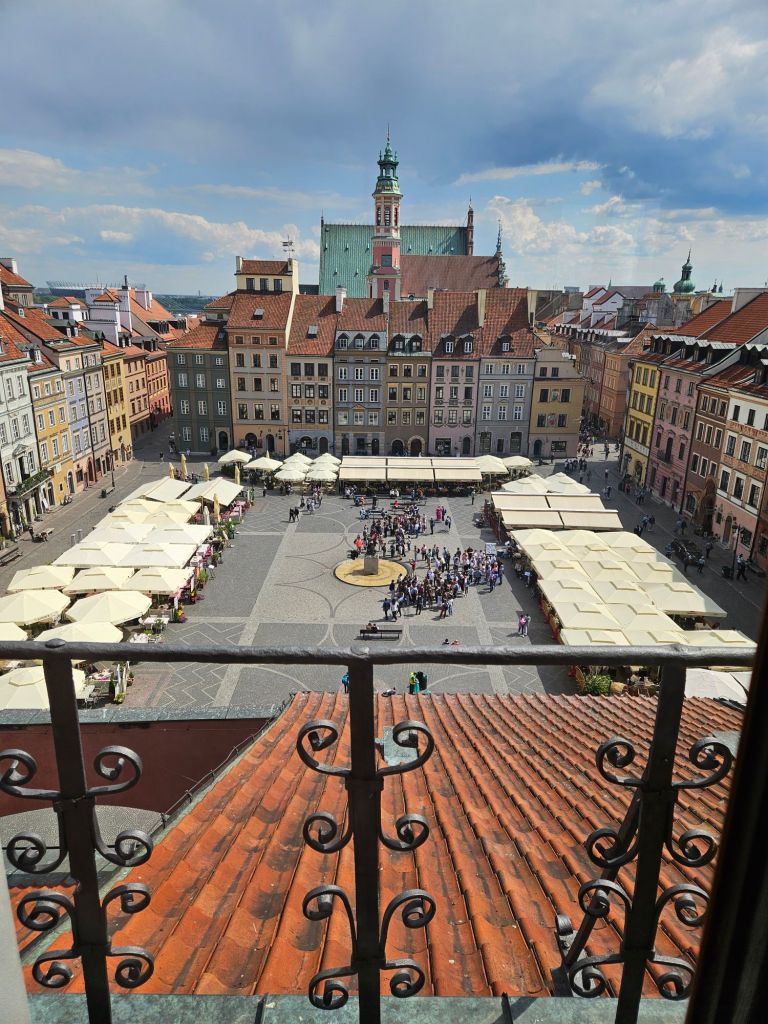
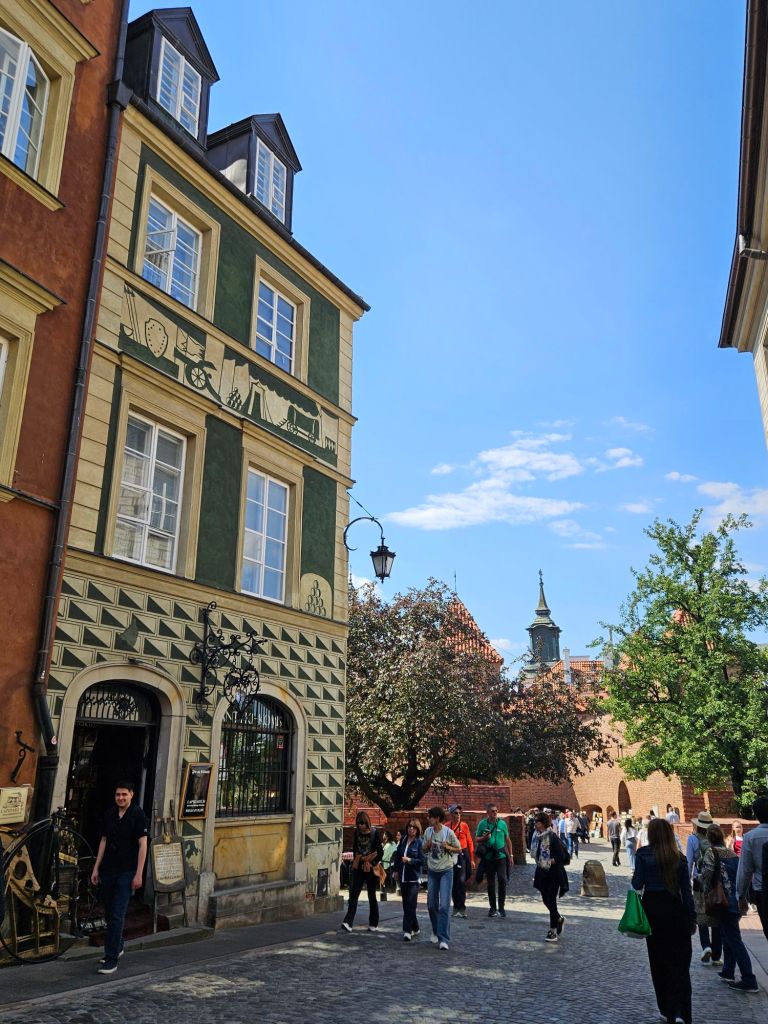
The Old Town in Warsaw may look a little shinier than say that in Krakow, but there is a renewed sense that history shouldn’t be obliterated and then simply left forgotten.

Sensitive reconstruction can be so much better than bland modernism (though wider Warsaw can claim both). It may well be more tourist orientated today, but that shouldn’t detract from the economic value that brings to the World Heritage site. Planners and architects the world over could learn a lot of positive messages from the instruction provided by Warsaw.

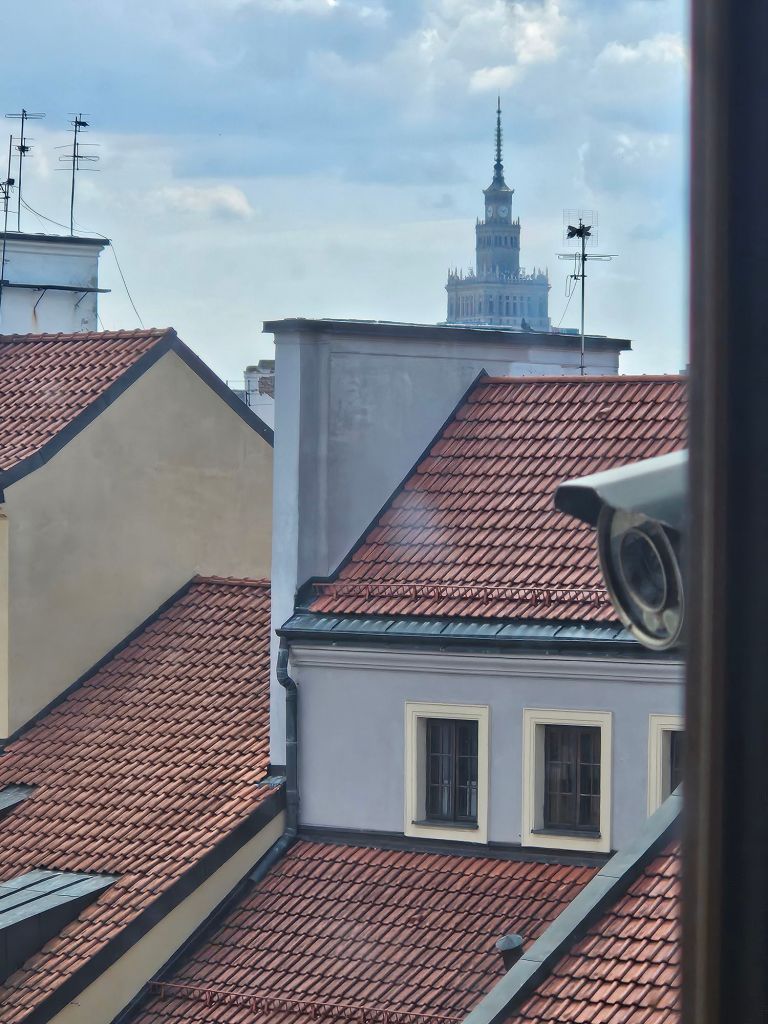
Until we speak again, I recommend you come support and enjoy the thriving reconstruction of a devastated city. But, be wary… the spectre of Russian surveillance may never be far away!

Stalin’s gift to Poland

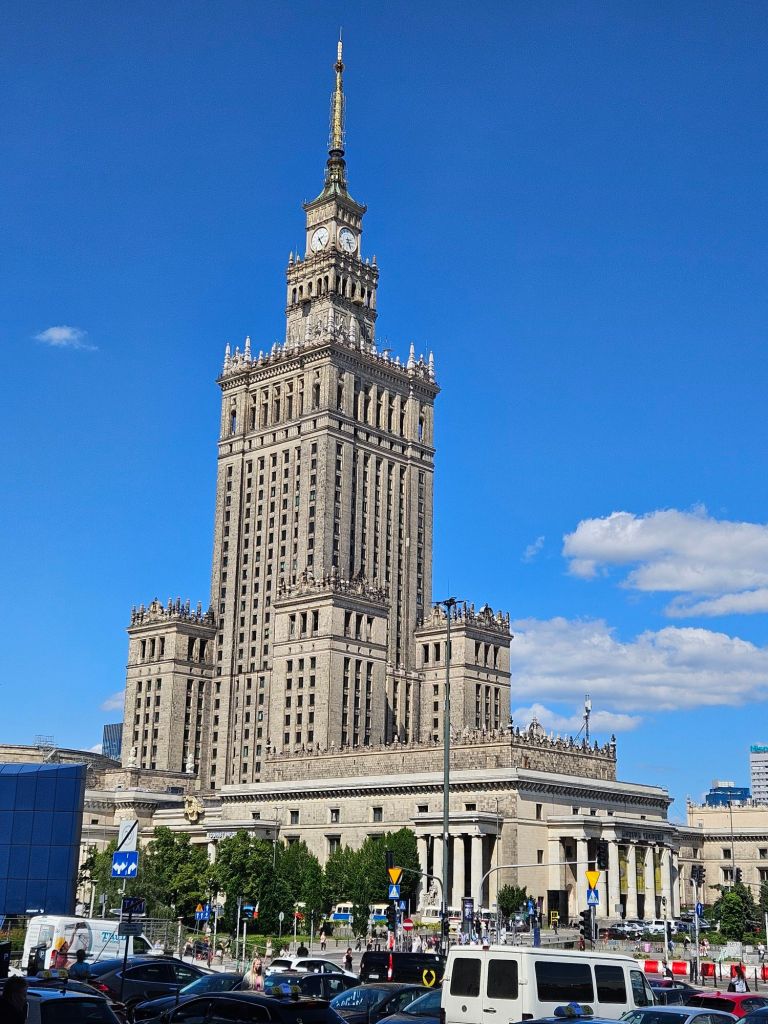
Go to Warsaw… yes, it’s definitely recommended. Go to Warsaw. But remember that its most striking building on a fast rising skyline remains…

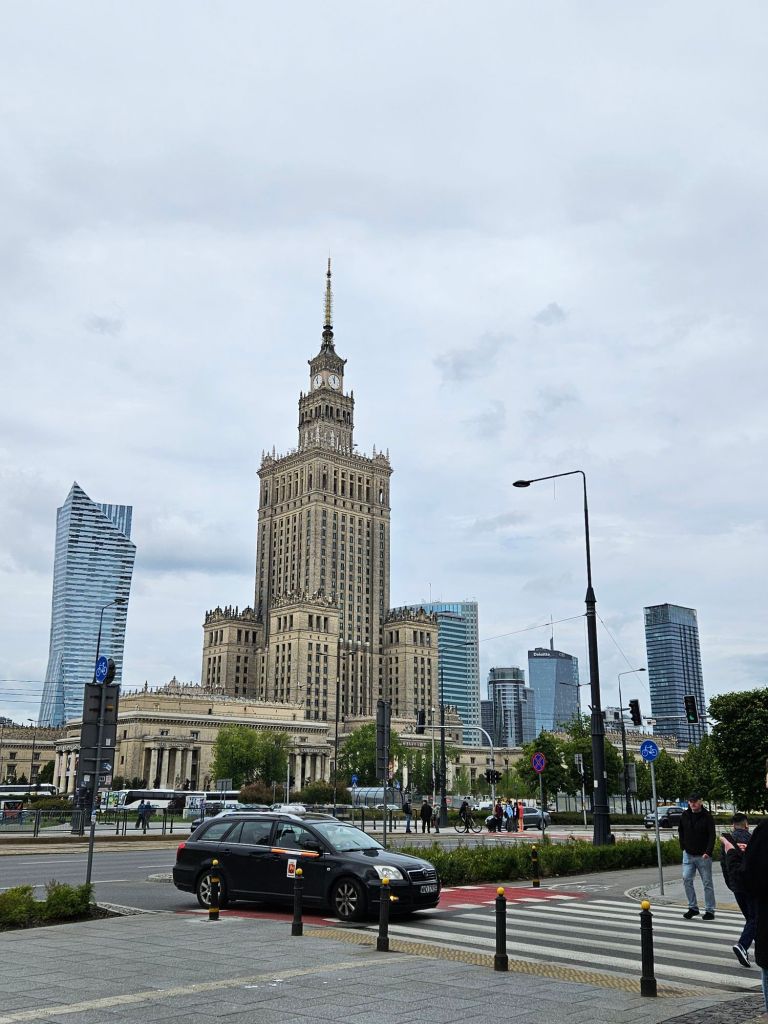
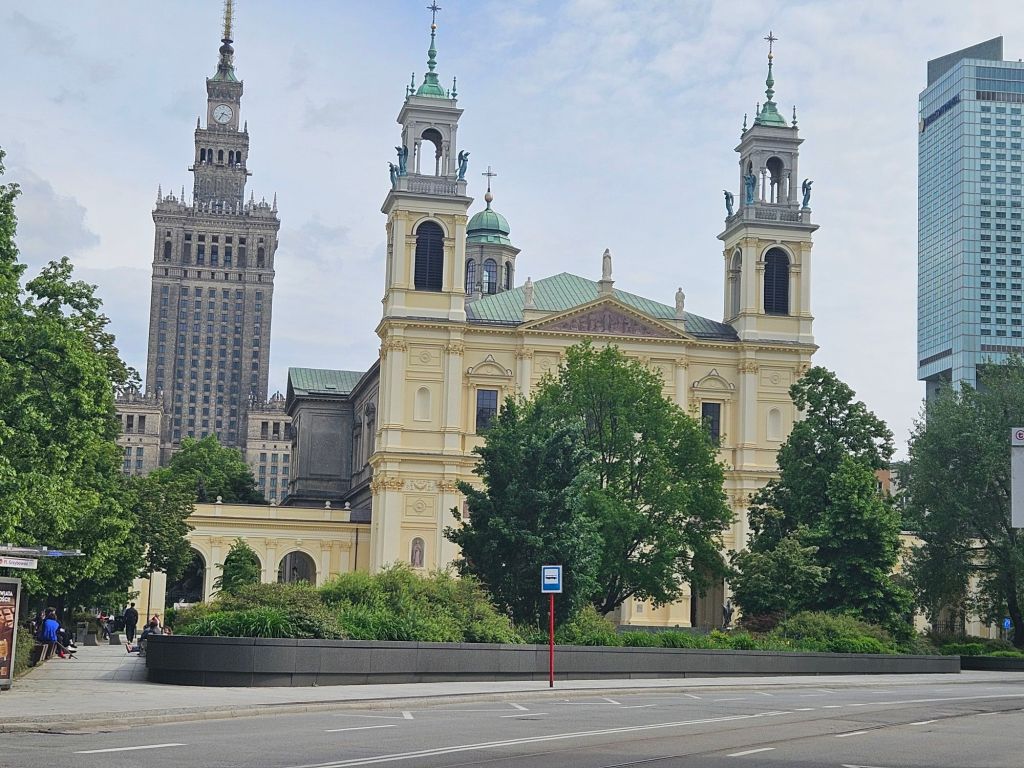
This apparently was Stalin’s gift to Poland after WWIIThe Palace of Culture and Science (Palac Kultury) built in the early 1950’s. On reflection, I suspect it was very much a box for bureaucrats, and locally, it’s understandably more likely to be thought of as a Monument to Soviet Oppression.

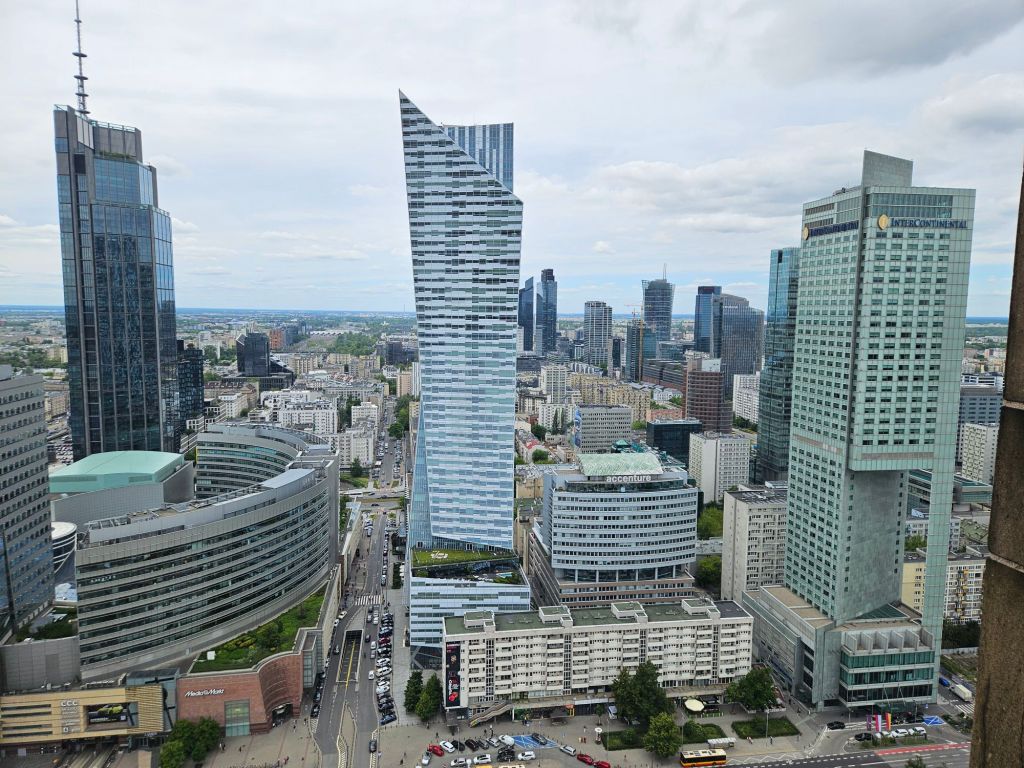
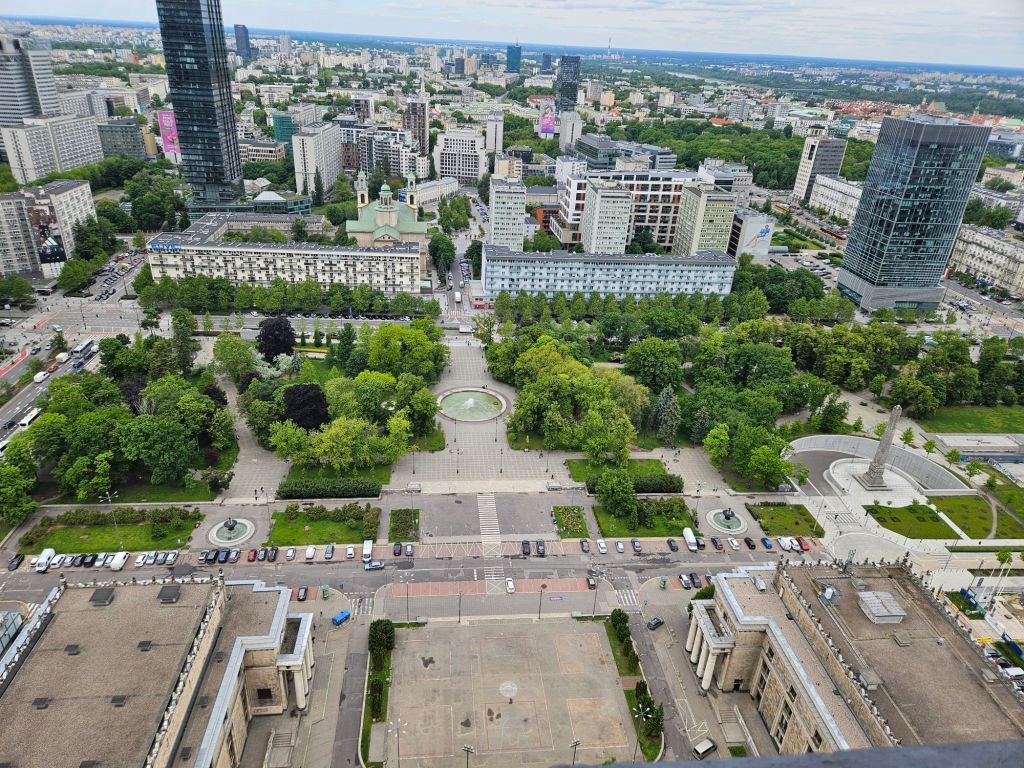
Whatever your political view on the history and meaning of this building, its vision of granduer and solidity are unmistakable and still manage to draw attention from the more recent steel and glass offerings to the sky. It also happens to have a great viewing platform for views around the city…

Until we speak again, Stalin’s statement of occupation to Poland serves as a reminder that we can successfully repurpose gifts we hate and see them from a different perspective… eventually.