Aparatus of the State

On a further visit to the incredible city of Berlin it was time to focus more time on the old east side.

Visiting the DDR museum gives a general picture of daily life under a dictatorship, particularly shortages of what we in the west saw as basics of good old consumerism.

Then there were the ‘incentives’ of such things as artificially cheap housing. But nothing came without at least a subliminal message of menace.
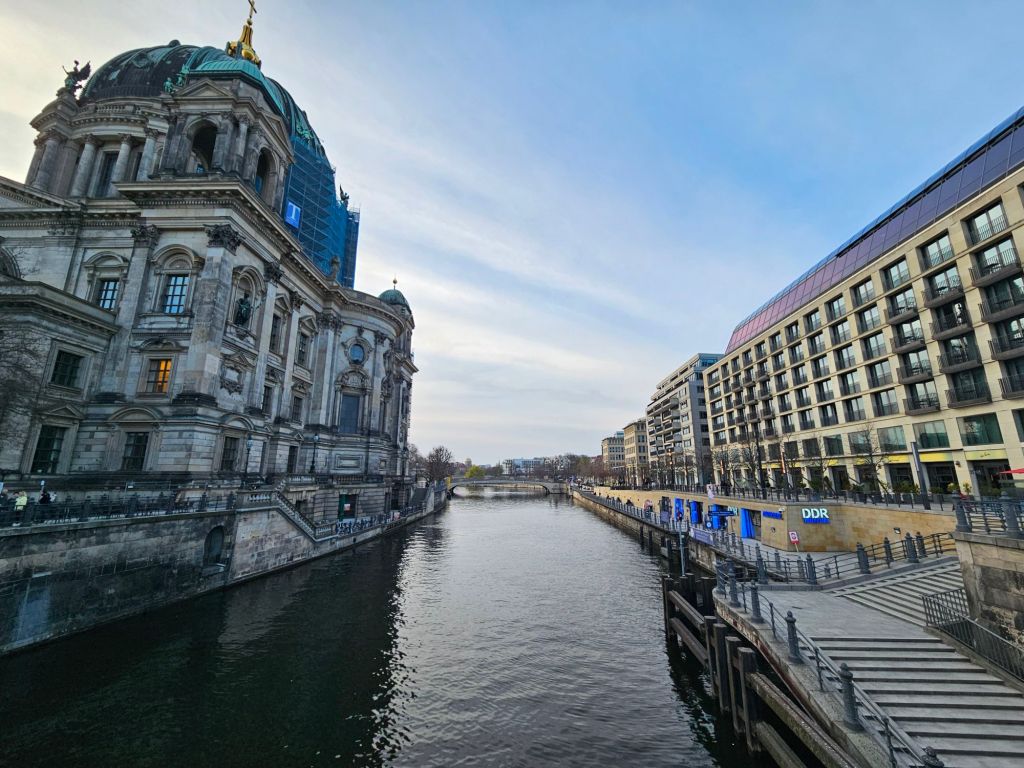
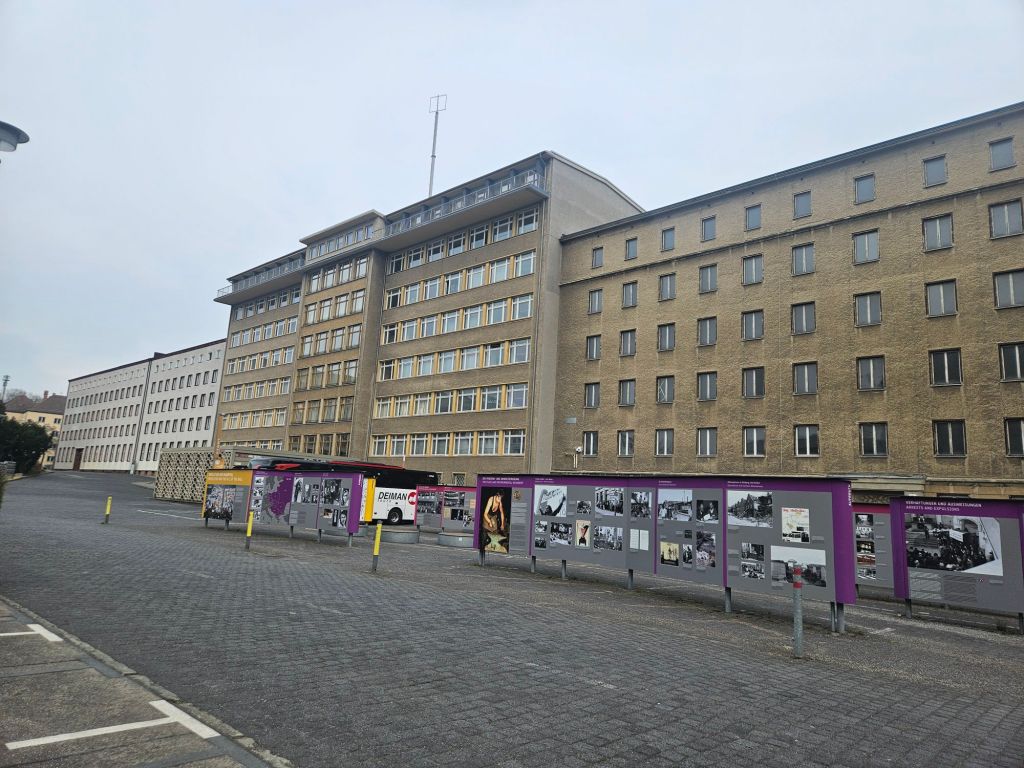
But it’s the Stasi Museum that truly brings home that chilling effect of the ‘Aparatus of the State‘.
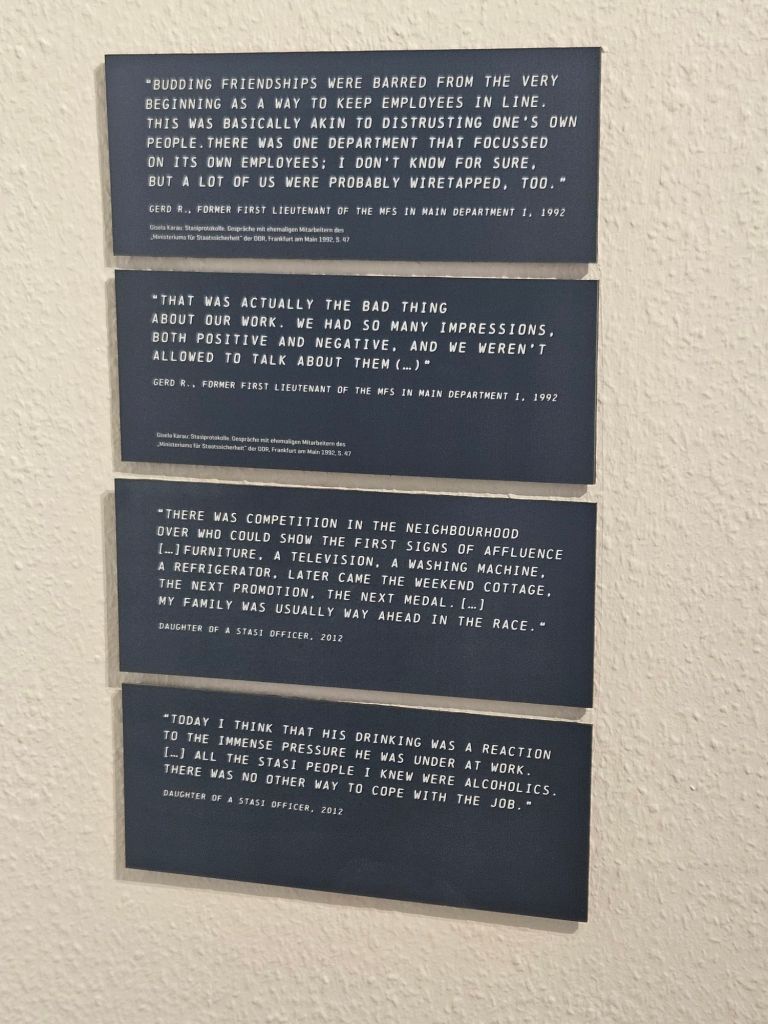
Who’d have known that a job with the Government came with essential perks such as snitching on your neighbours, listening in on phone calls, bugging apartments. Even breaking in to apartments just to move items of furniture around… well, how else is paranoia going to foment.

Special departments were even set up to check on the loyalties of fellow employees.
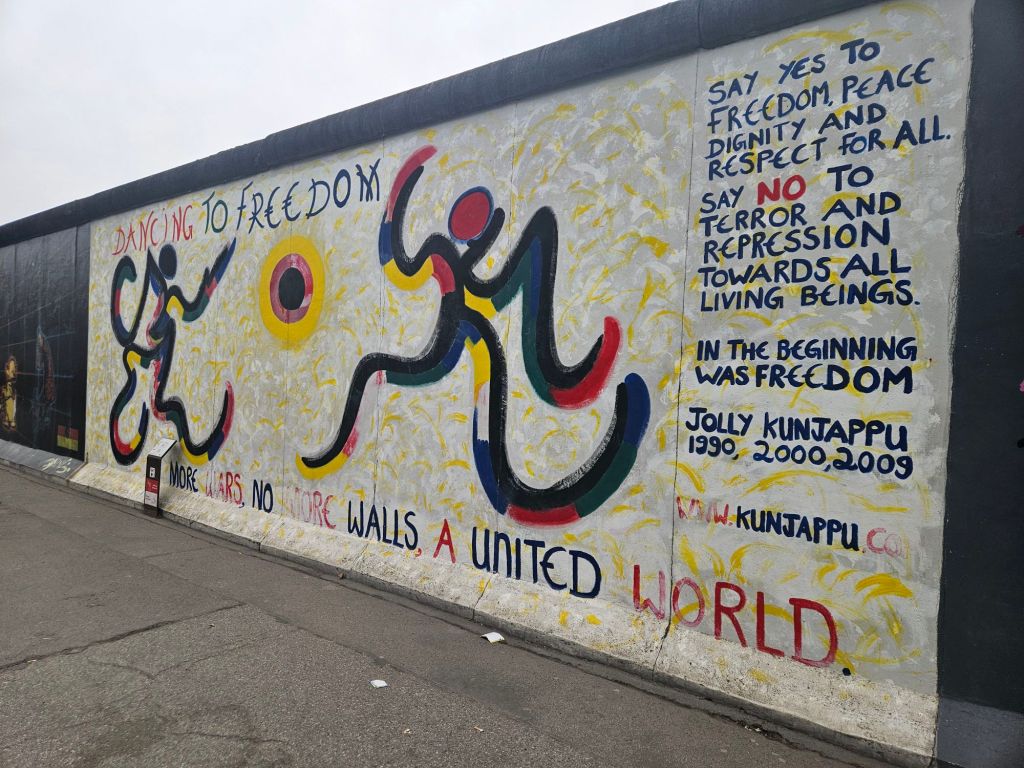
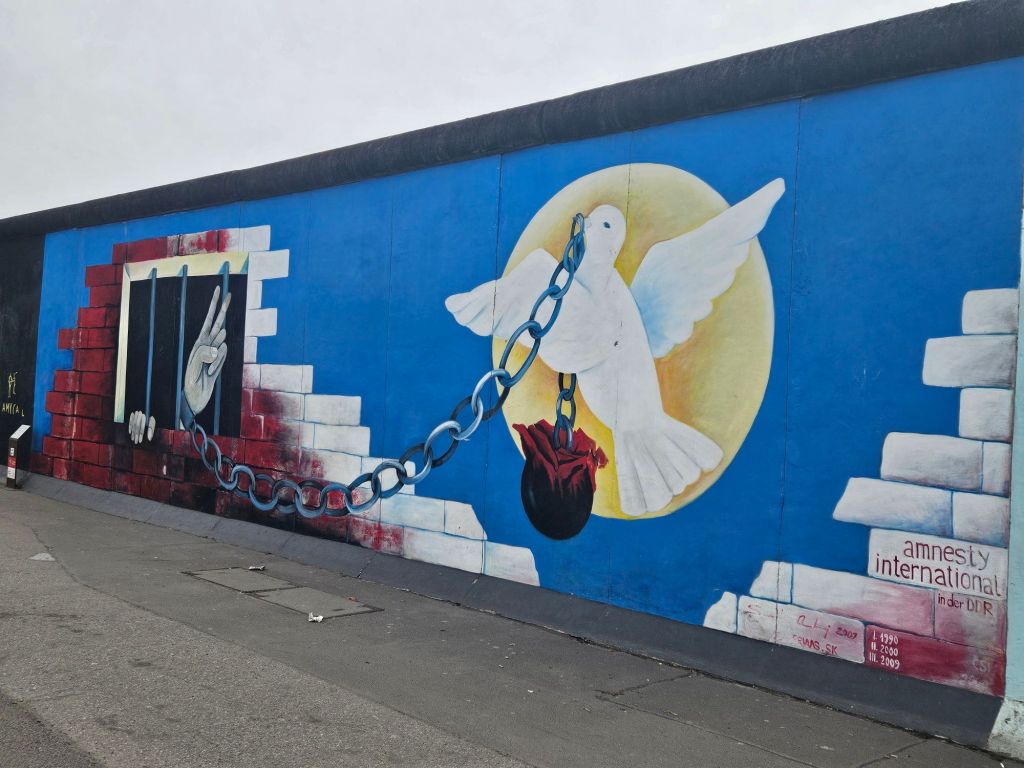
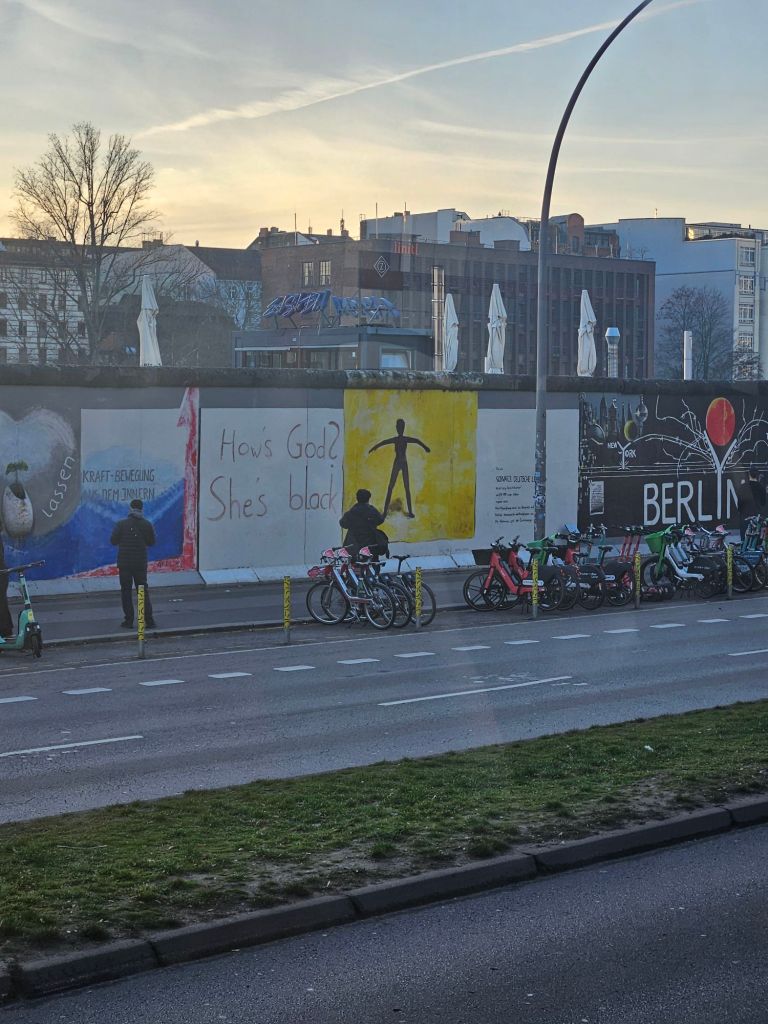
In the end certain freedoms became too much to resist and contain. The greatest emblem of the aparatus… the Berlin Wall also needed to come down. Though fortunately, a lengthy strip remains as the East Side Gallery… the largest outdoor art gallery in the world.
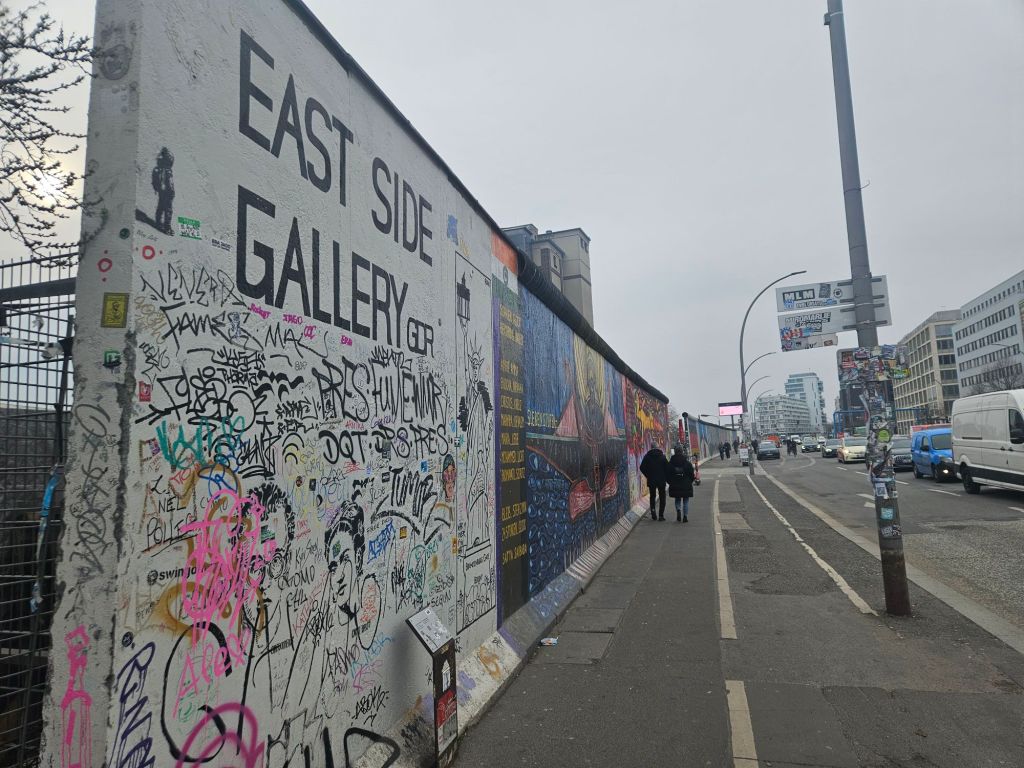
Until we speak again, the Wall conveys many important messages that we’ll do well to remember… particularly in the deranged times of Trump trampling over basic civil liberties at home and across the world.
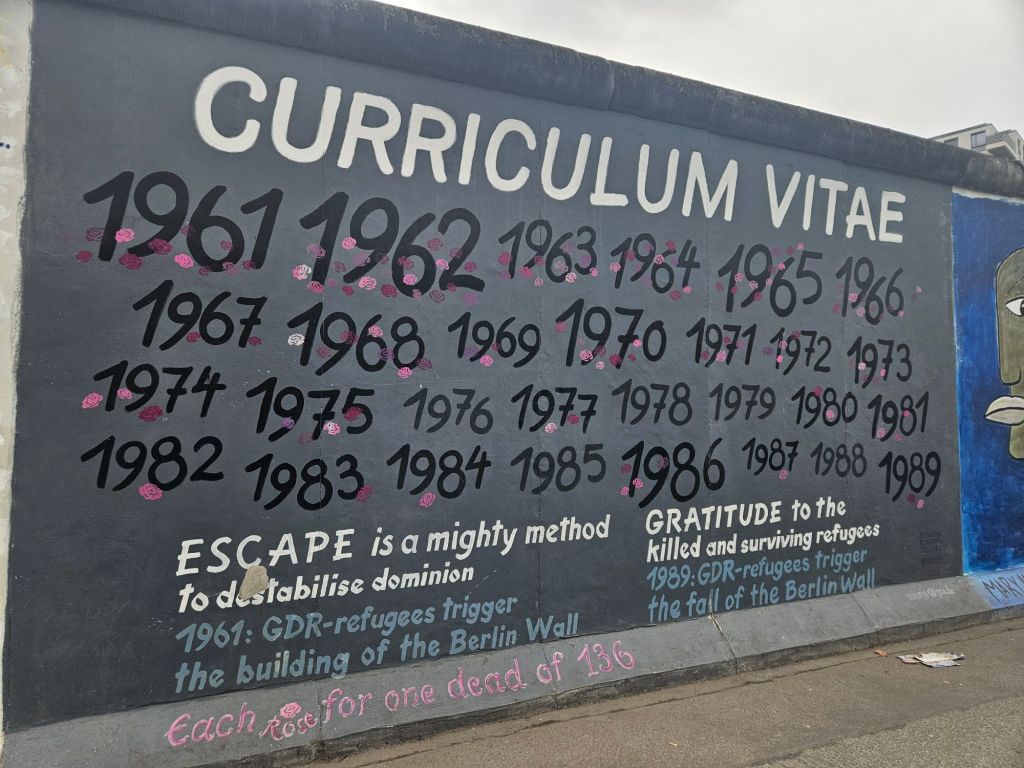
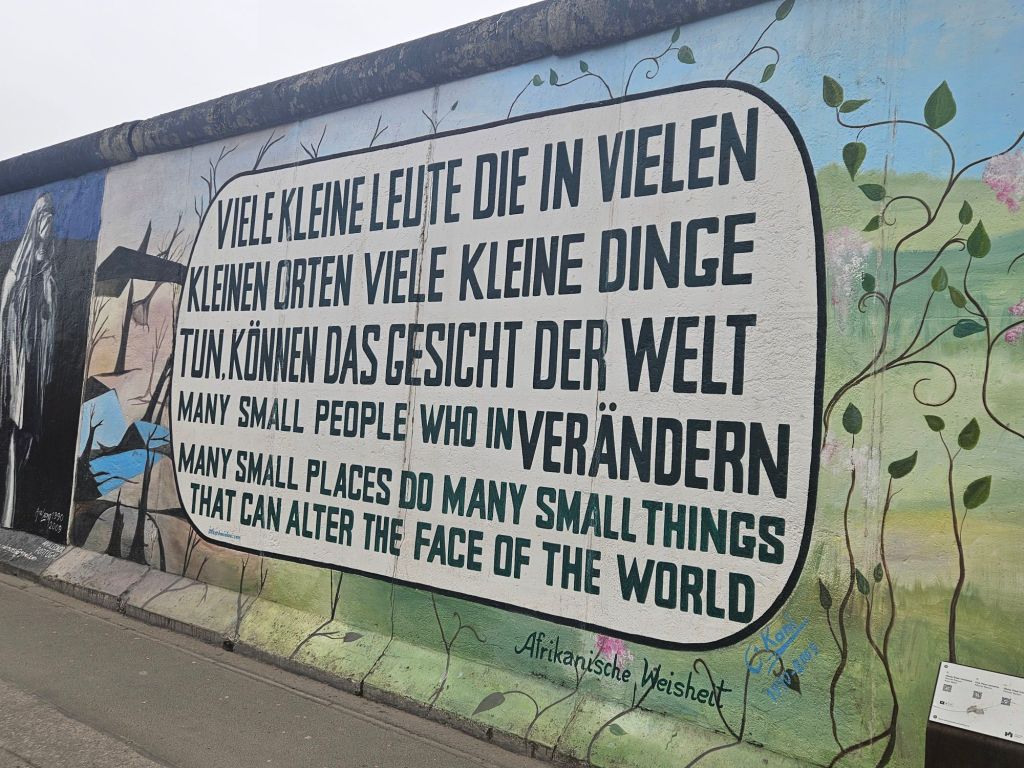
Berlin remembers, do we?

100 years on from the Weimar Republic, Berlin has much to remember. From Weimar to Third Reich to a divided city to the Fall of the Wall. Has any other city witnessed, experienced, suffered, and emerged from so much in such a relatively short time?

One woman immortalises the changes in a statue that is calling out for peace before the Brandenburg Gate.

The most significant remembrance surrounds the plight of Jews, in Berlin and across Europe. The Jewish Museum in the West Kreuzberg district is a Daniel Libeskind design, most disorientating in architecture, as its floors and walls disobey the builders spirit level. But its content is a creatively laid out history of Jewish faith, culture, and history.

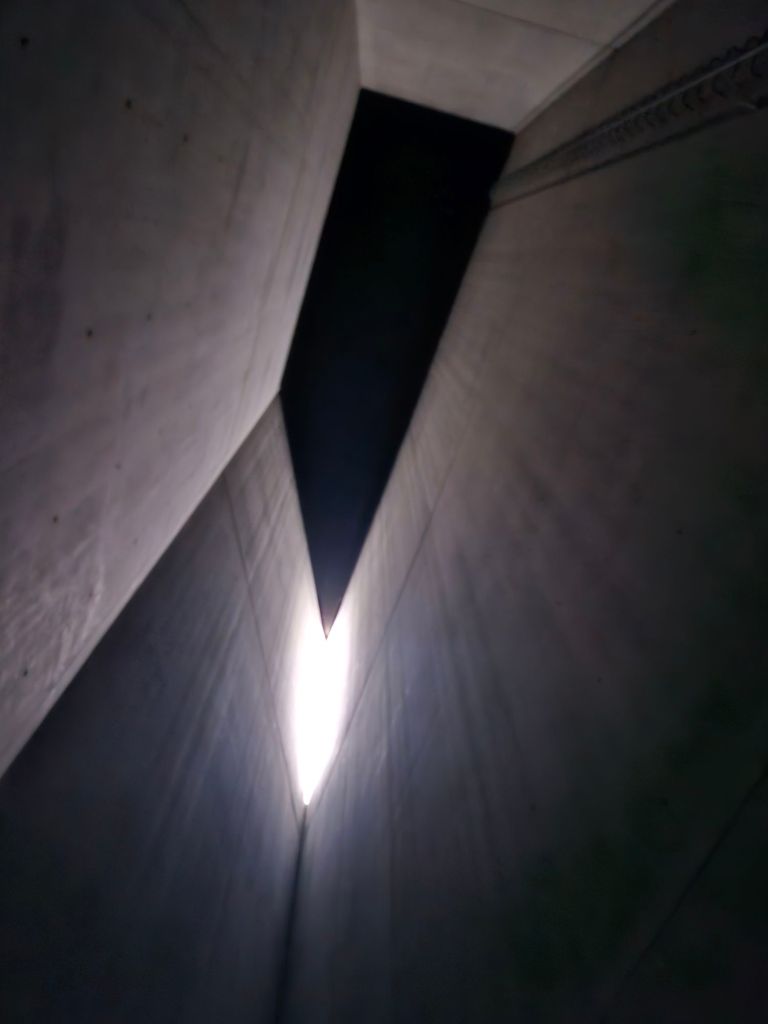
For a particularly deep chill, spend a minute or two in the dark and claustrophobic Holocaust Tower

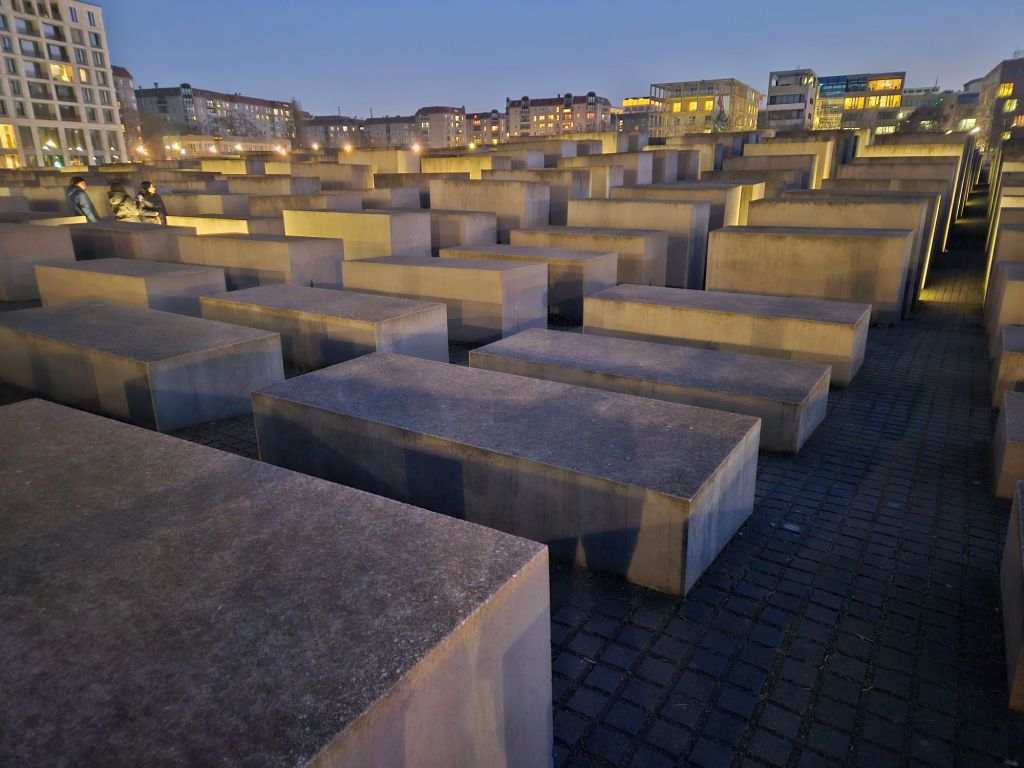
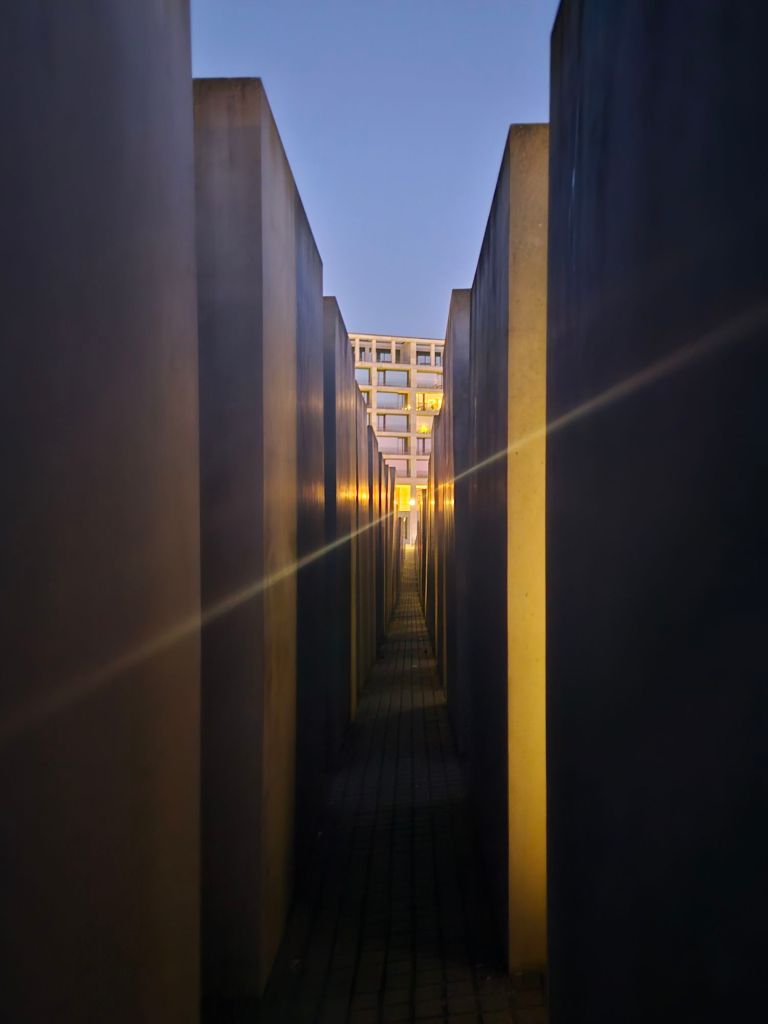
However, for heightened emotion the Memorial to the Murdered Jews of Europe provides a space for reflection and imagination. The undulating topography accommodates a dense array of grey concrete pillars of differing heights…

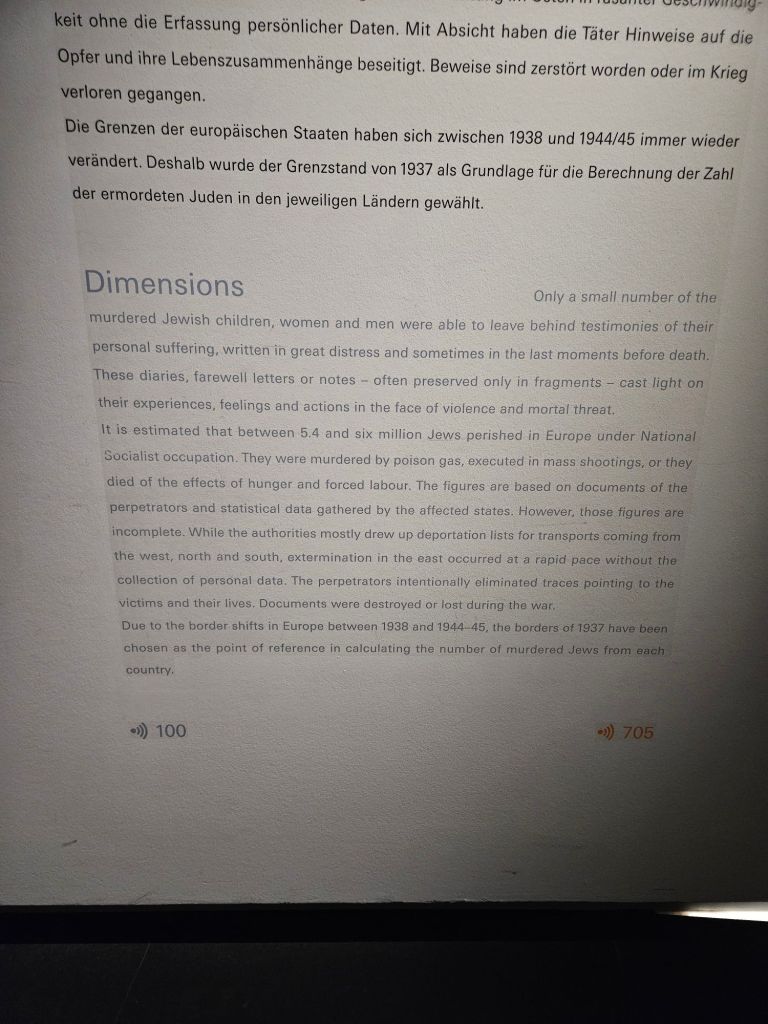
Walk deep into the sculpture and be immersed in your own thoughts. Then visit the enclosed museum beneath the sculture for heartbreaking personal accounts of the effect of the Third Reich across Europe.

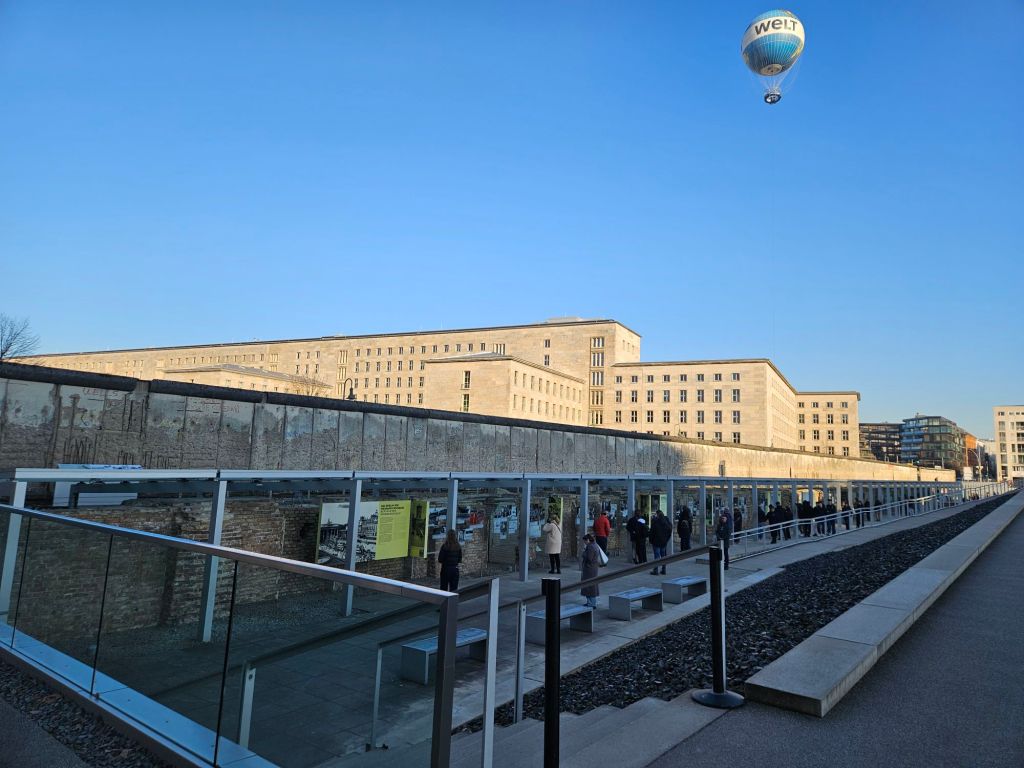
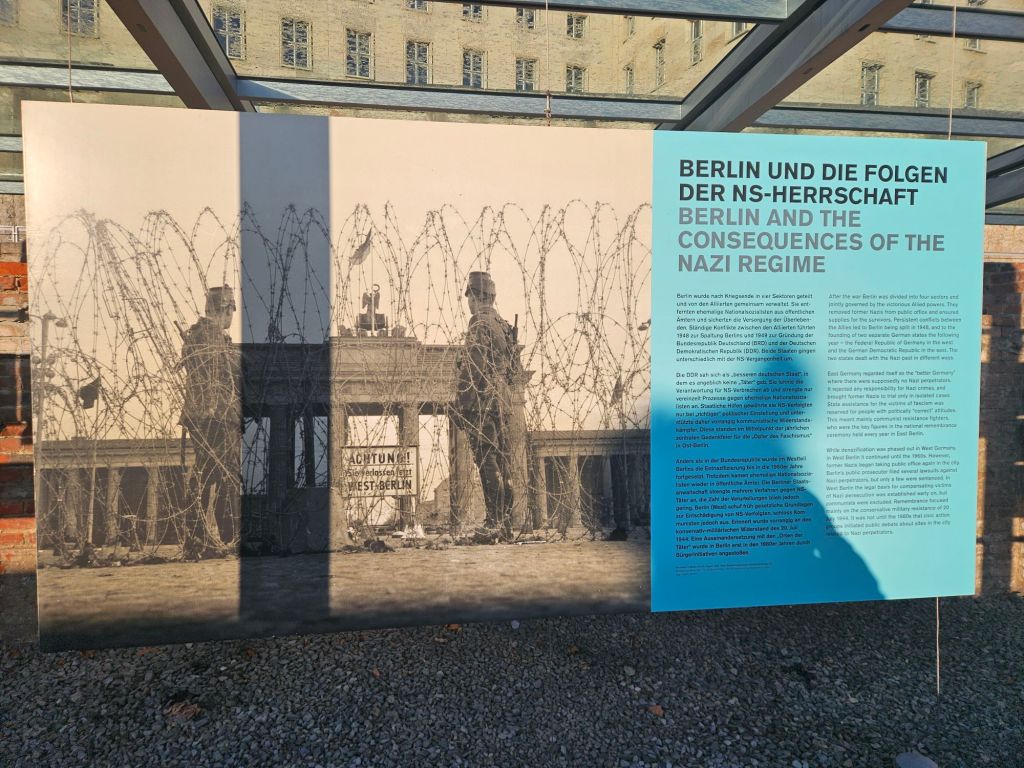
On the site of the former Gestapo Headquarters now stands an open air monument to the history of division in the city, running alongside a remaining fragment of the infamous Berlin Wall. Known as the Topography of Terror, it depicts the major changes of the last 100 years, and horrific consequences of those changes.

The division of the city is particularly well represented in the Friedrichshain district of old East Berlin. Here is the longest fragment of the former wall. At 1 mile in length it’s considered to be the world’s largest open air gallery. East Side Gallery is a feast of modern art. What better way to democratise a former harsh symbol of division…

Until we speak again, Berliners have shown a remarkable capacity to remember its tragic recent history with vibrancy and humour. 100 years on from the ugly emergence of the Nazi Party in Germany, is the rest of the world once again failing to learn the lessons of history?

With the Chief Narcissist of Dumbfuckistan in Washington buddying up to Psychopath One in the Kremlin, and the rise of populism in every western nation, we need the current day messages from Berlin more than ever before.